
Navigating Land Use and Production Dynamics
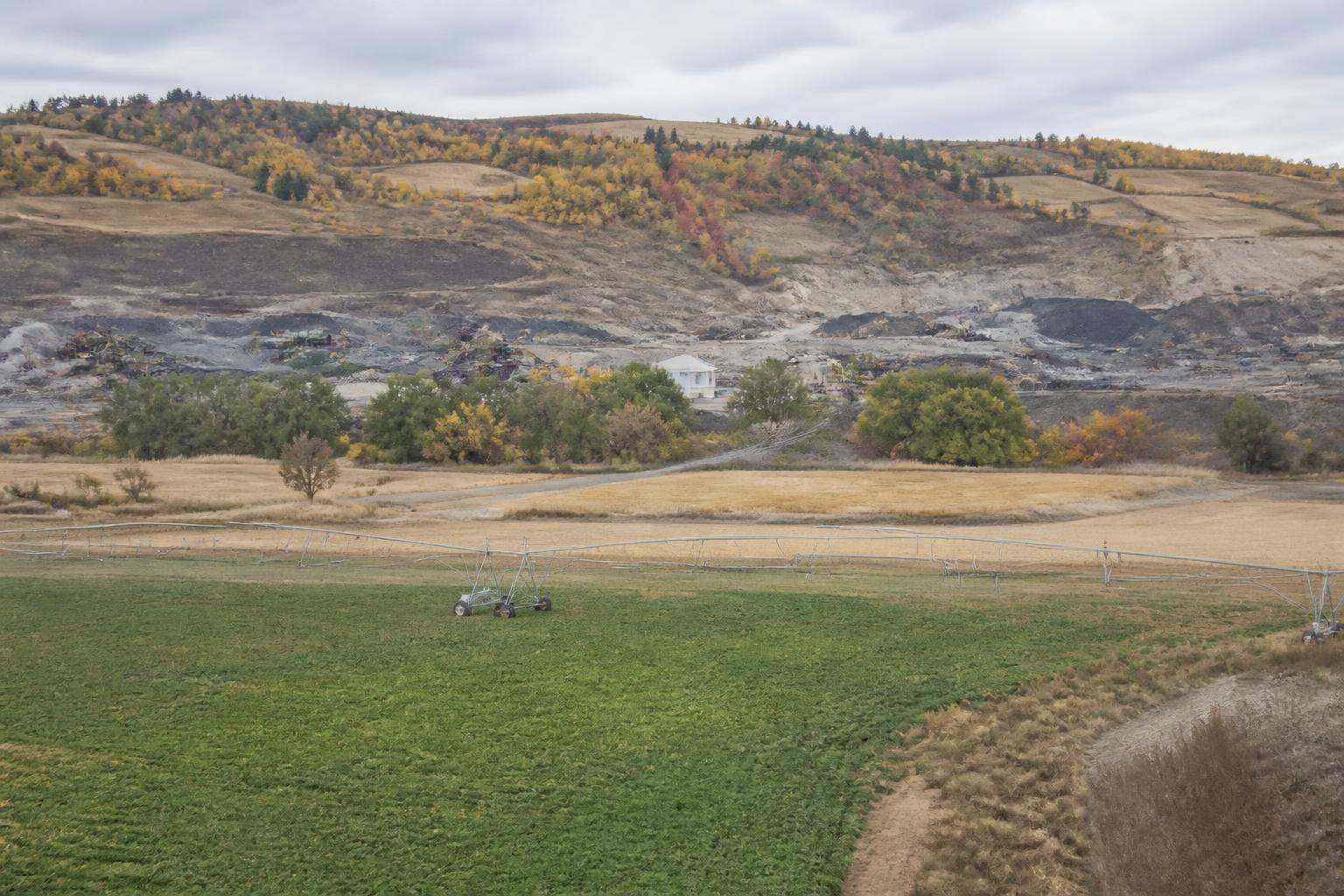
As Idaho producers move through the peak of the fall season, the intersection of traditional crop production and broader land resource management is becoming increasingly significant. With over 150,000 acres currently linked to regional mining interests, local farmers and foresters are adapting their management strategies to ensure long-term sustainability across the state's diverse landscapes.
For many operators across the Gem State, understanding how these industrial activities influence water access and soil quality is essential. Those working in regions where mining and agriculture overlap may face unique logistical hurdles, requiring a more proactive approach to land stewardship and resource coordination.
The Legacy of Idaho Agribusiness
Idaho's agricultural landscape is defined by deep-rooted family operations and long-standing corporate entities. These organizations, such as the historic Wada Farms, continue to influence regional output and labor practices. Understanding the evolution of Idaho agribusiness helps growers anticipate shifting ownership models and the adoption of modern technology that is now shaping the competitive landscape for major produce and commodity crops alike.
Operational Efficiency in the Fall Season
As the season progresses, the focus shifts toward securing storage capacity and optimizing transit routes from the field to regional processing hubs. Whether operating in the high desert regions or the fertile valleys near the Snake River, producers are encouraged to monitor how broader state land policies may shift the availability of infrastructure in the coming months. Efficient resource allocation remains a top priority for those looking to maintain profitability during the harvest window.
Key Takeaways
- Monitor land use developments that may impact agricultural footprint in your specific county.
- Leverage established industry networks to stay updated on regional supply chain shifts.
- Maintain flexible logistics planning as harvest volume peaks across the state.
What it means for the market: The regional market is currently balancing intense seasonal output with emerging pressures on land utility. Producers who remain informed about how peripheral industries interact with their local geography will be better positioned to adjust their procurement and shipping strategies before year-end.
Comments
No comments yet - be the first to share your take.