
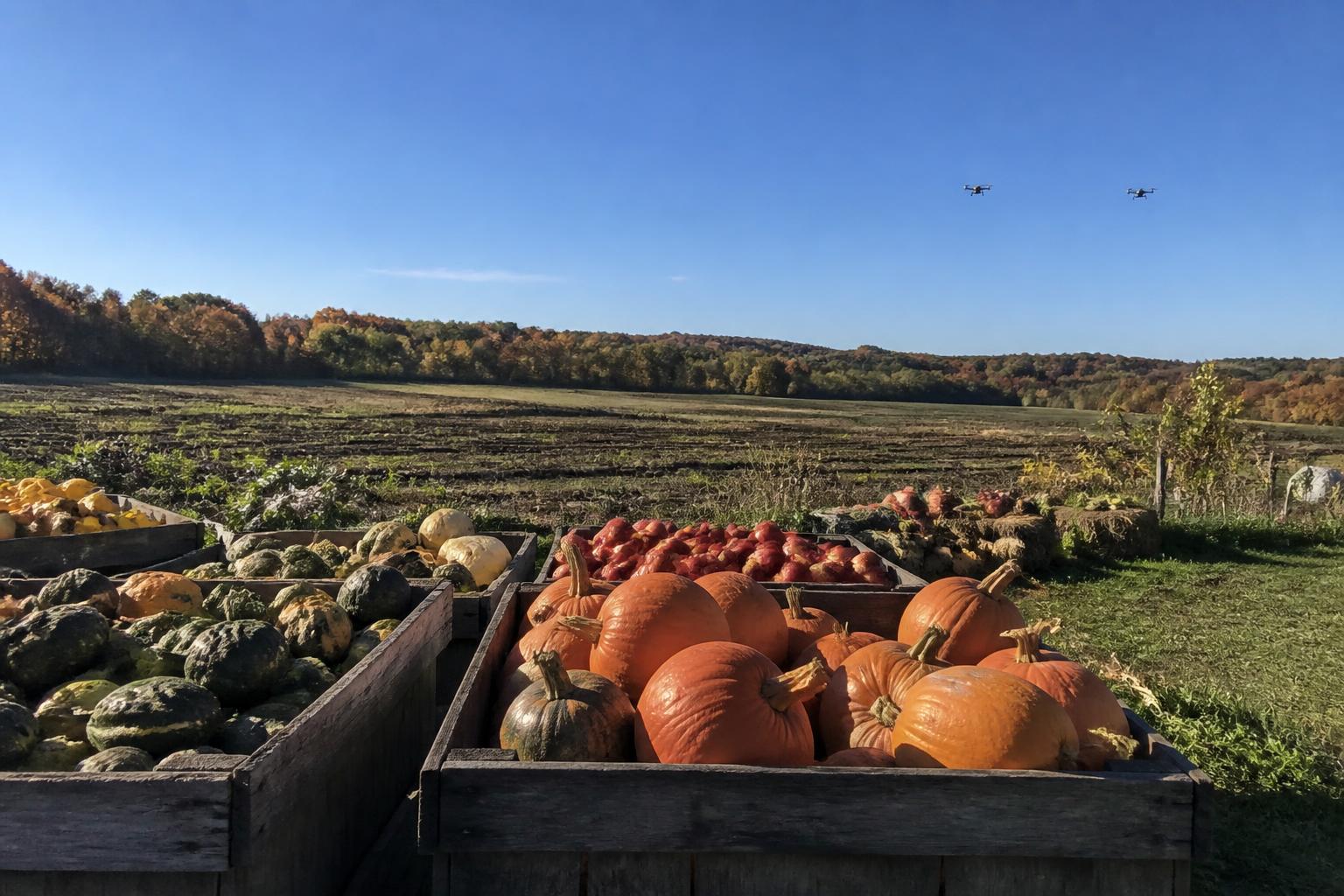
Adapting to Seasonal Freight Demands
As we advance through September, the movement of agricultural goods across Connecticut takes on a different rhythm. For local growers and logistics providers, the shift toward seasonal grain shifts requires careful coordination between field access and major transit arteries. With the harvest window in full swing, managing the flow of produce from rural hubs toward urban markets often creates brief, localized capacity constraints on key state corridors.
Market Signals and Commodity Price Volatility
Recent downward trends in national soybean prices have drawn attention from agribusinesses that manage inventory alongside local output. While the global market experiences pricing adjustments, Connecticut producers focusing on direct-to-consumer or specialty produce channels often see different demand cycles than large-scale row crop exporters. Monitoring these price movements is vital for those managing grain storage or scheduling pickups at local elevators, as fluctuations can impact short-term bottom lines.
Logistics Optimization for the Harvest
Effective transport management remains the backbone of the harvest season. In many parts of the state, efficient movement depends on timely communication between farm gate operations and trucking partners to mitigate the impacts of road weight restrictions or regional traffic patterns. Staying ahead of these bottlenecks can help reduce fuel burn and wear on equipment, ensuring that fresh, local goods reach the market with minimal delay.
What it means for the market
The current market environment underscores a need for agility. As commodity prices fluctuate, Connecticut stakeholders should prioritize supply chain transparency and regional network efficiency. Whether you are moving local harvests to regional distribution centers or managing input stockpiles for the upcoming cycle, maintaining flexible logistics plans will be key to navigating the remainder of the autumn season successfully.
Comments
No comments yet - be the first to share your take.