
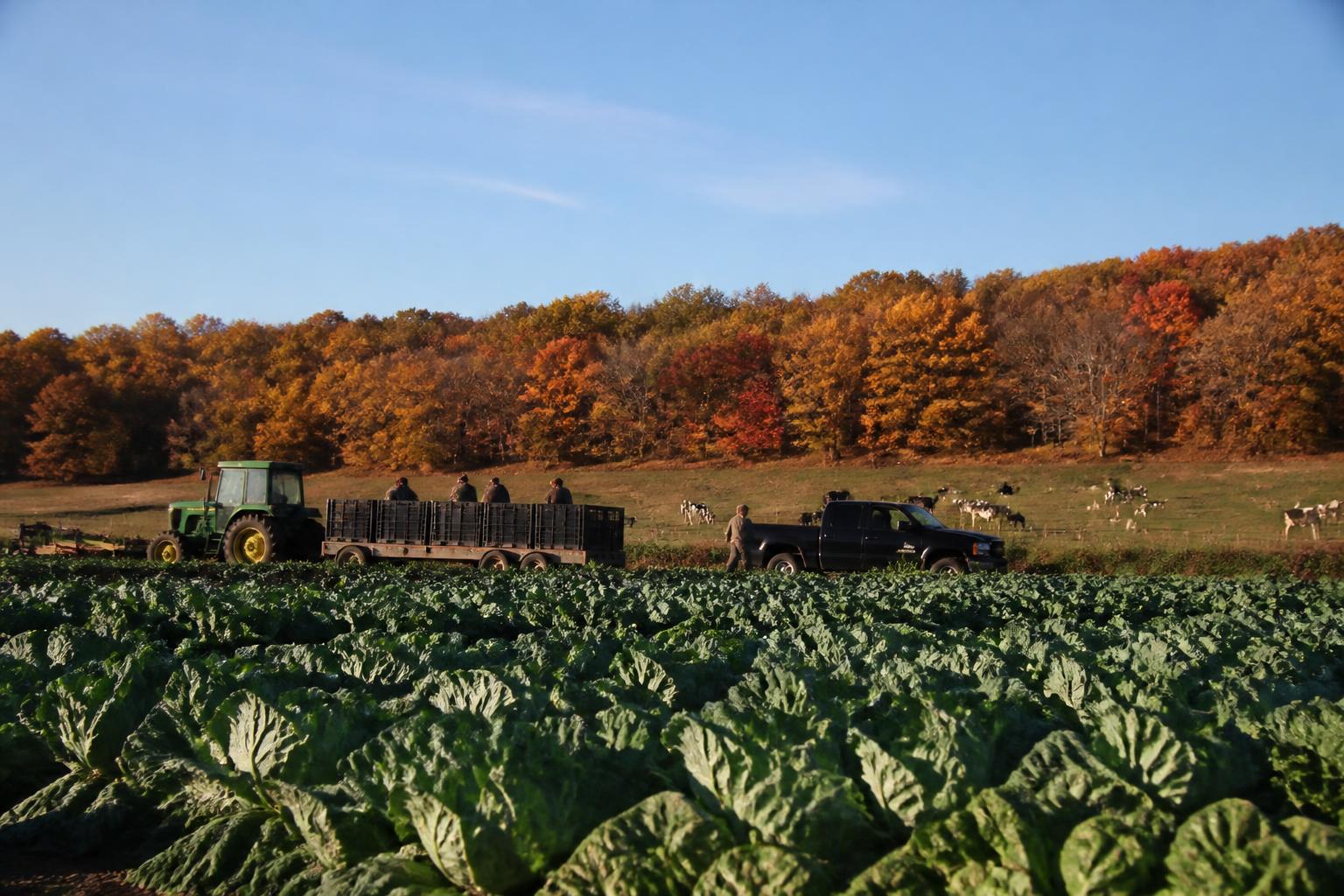
As New Jersey agriculture moves through the fall season, the sector is balancing the immediate need for market recovery with the logistical realities of a tightening supply chain. Producers across the state, from the fertile fields of South Jersey to the northern corridors, are navigating the aftermath of recent environmental challenges, which have prompted an urgent shift toward securing federal aid and exploring stable market outlets.
For growers and agribusinesses, the primary focus remains on navigating late-season logistics and market pressures that often intensify during the harvest cycle. With regional demand for high-quality produce remaining steady, the ability to move goods efficiently to coastal ports and distribution centers is essential for maintaining the competitiveness of the Jersey Fresh brand.
Adapting to Supply Chain Evolution
The regional transport landscape is seeing increased focus on mitigating bottlenecks. Global partnerships are beginning to emphasize localized improvements, aiming to manage operational safety and costs as traffic increases on major state arteries. These collaborative efforts are designed to alleviate the pain points that have traditionally hampered the transit of bulk commodities and specialty crops alike.
Stability Amidst Economic Shifts
Input procurement remains a critical conversation as farmers look toward future planting cycles. Strategies for assessing supply chains and managing costs have become standard practice for mid-sized operations looking to buffer against volatility. While farmers continue to advocate for disaster relief, the emphasis on robust planning and efficient inventory management remains the best defense against regional market fluctuations.
What it means for the market
The current market environment in New Jersey underscores the necessity of agile logistics and proactive risk management. By focusing on streamlined transport networks and staying informed on available federal support programs, operators can better protect their margins during this period of seasonal adjustment. Maintaining operational discipline is vital as the industry works to stabilize supply flows and prepare for the upcoming winter transition.
Comments
No comments yet - be the first to share your take.