
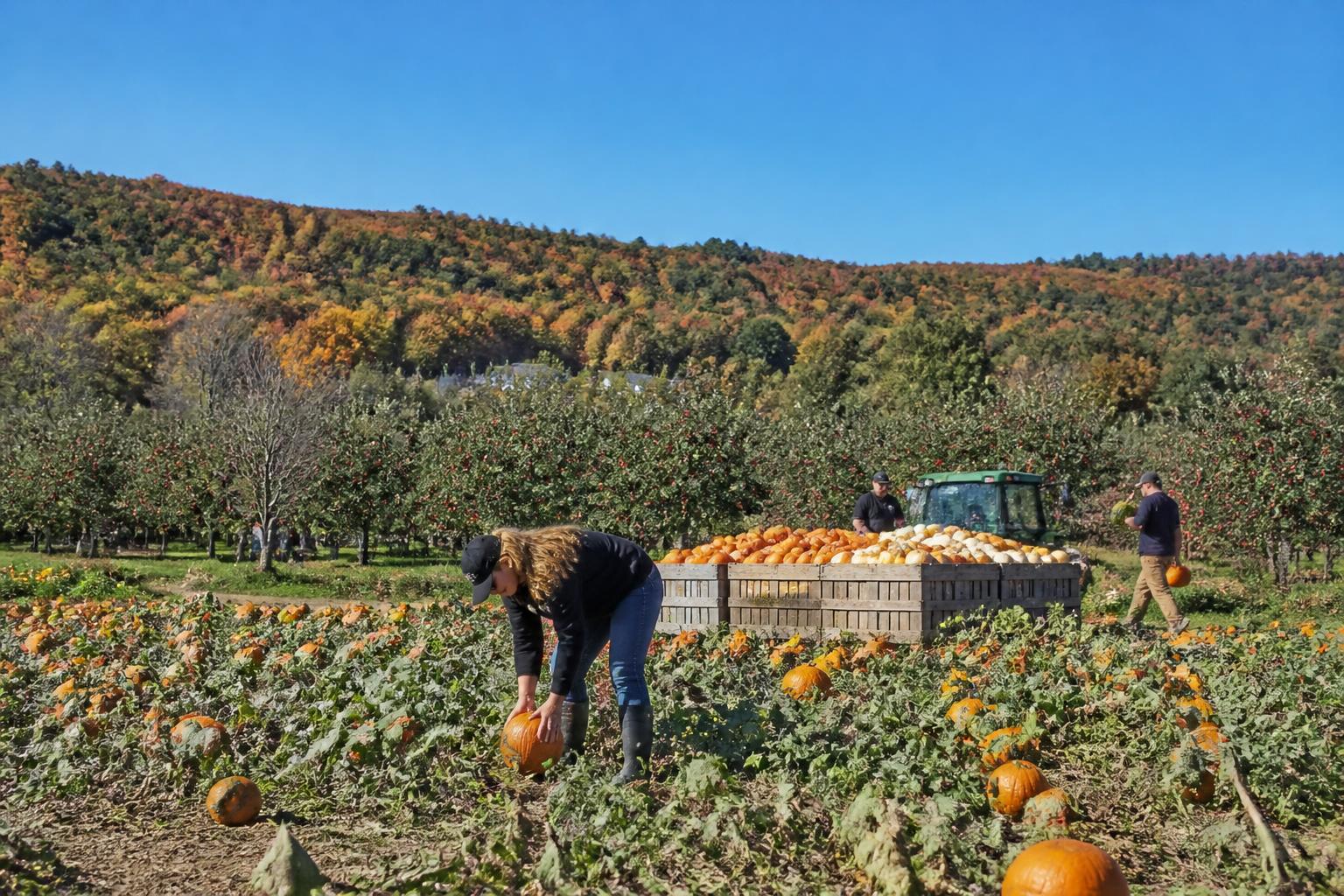
As harvest operations intensify across New Hampshire, agricultural producers are focusing on the critical link between field-side logistics and final market delivery. Maintaining steady movement during this busy window requires careful coordination, especially as the landscape shifts toward late-season demands and colder weather begins to influence transport patterns on regional corridors.
For growers and agribusinesses throughout the state, the ability to manage throughput is often tested by the seasonal intensity of the fall period. Whether moving product toward distribution centers or managing local grain storage, ensuring that transport capacity aligns with harvest timing can help prevent costly bottlenecks. Many operators are now prioritizing strategies to maximize efficiency as they finalize their logistics for peak harvest throughput.
Refining Infrastructure and Supply Chain Flow
In various parts of the state, the focus has shifted toward refining how agricultural goods transition from rural production hubs to primary markets. Adapting to evolving road conditions and traffic patterns remains a standard procedure for many local carriers this time of year. Operators who are proactive about their logistics infrastructure needs often find themselves better prepared to navigate the unique geography of the region.
By leveraging available transit routes while keeping an eye on seasonal weight limitations and traffic variability, businesses can better protect their margins. Strengthening these internal systems during the active harvest season is a common approach to maintaining overall supply chain health in New Hampshire.
Strategizing for Future Operational Stability
As the sector moves deeper into October, many producers are balancing the immediate demands of the harvest with long-term planning. Ensuring that storage facilities are operating at capacity and that transport contracts are aligned with seasonal output levels can mitigate potential mid-winter constraints. Maintaining this logistics outlook and supply chain efficiency is essential for firms looking to sustain market presence as regional activities begin their seasonal wind-down.
What it means for the market
The current market environment in New Hampshire highlights the necessity of localized operational agility. By focusing on streamlined transport coordination and early-season infrastructure assessments, agribusinesses can continue to support stable throughput, ultimately securing their position in the supply chain as the agricultural year concludes.
Comments
No comments yet - be the first to share your take.