
Market Trends and Price Shifts
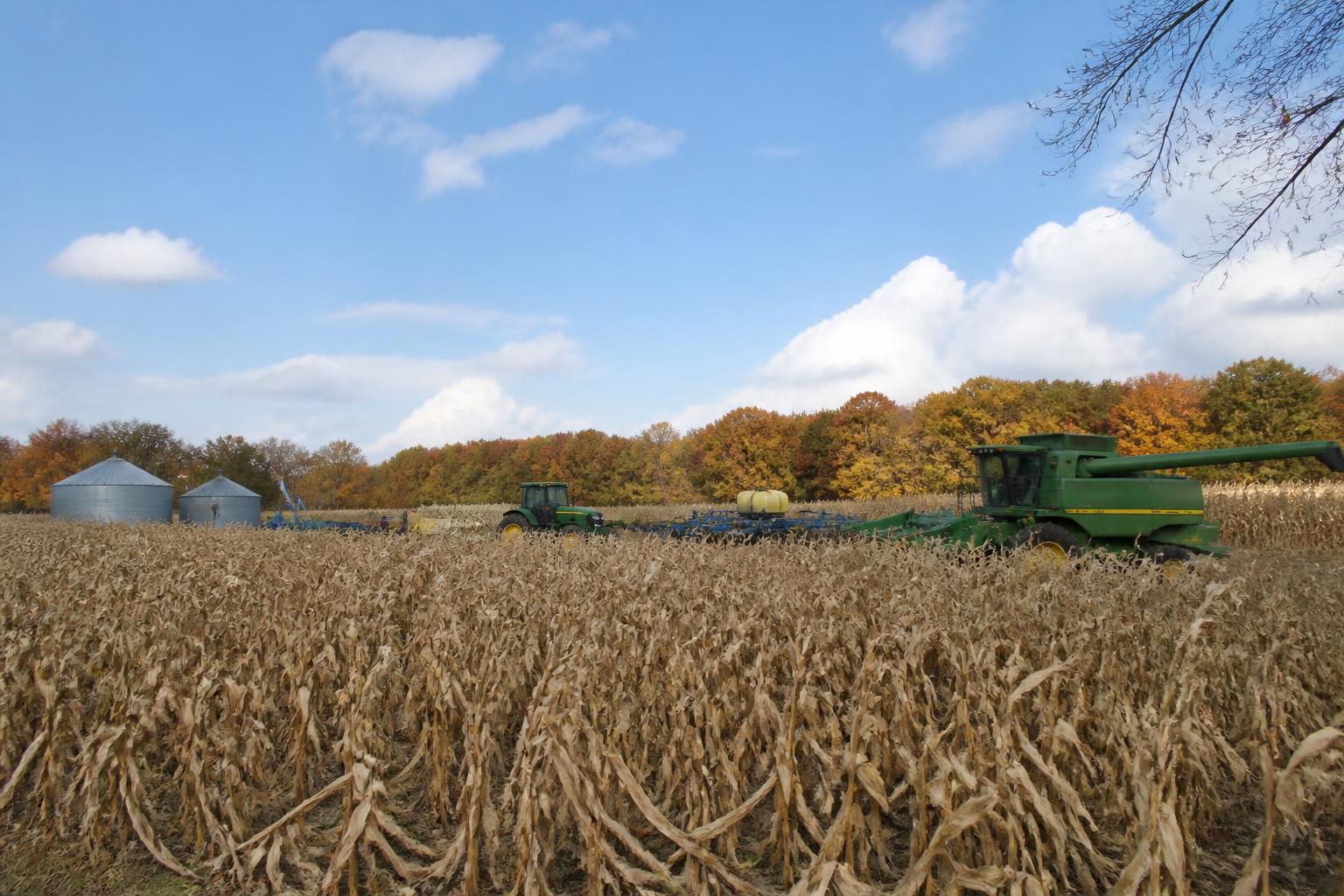
As we transition deeper into the fall harvest season in Connecticut, grain markets are displaying signs of notable cooling. Recent trading sessions have seen corn prices pull back, with market watchers noting downward movement near the 8 cent range during midweek sessions. These shifts often reflect broader national trends, but for regional operations across New England, they serve as a reminder to tighten grain procurement and storage strategies.
Managing Inventory and Logistics
Local growers and grain handlers often find that late September is the ideal time to evaluate grain market conditions before the full weight of the harvest pushes storage capacity to its limits. With commodity prices exhibiting sensitivity to global headlines and seasonal production updates, maintaining a flexible logistics plan is essential for those moving product through state corridors. Proactive communication with local elevators and transport providers can help mitigate the risks of sudden market dips.
Preparation for the Upcoming Cycle
While the focus remains on the current grain harvest, savvy agricultural businesses in the region are already looking toward the next production cycle. Whether you are managing greenhouses or planning soil amendments for the coming spring, now is the time to finalize input orders and check equipment maintenance schedules. Strategic preparation during these quieter market windows can provide a significant competitive edge when spring demand intensifies.
What it means for the market
The current market environment suggests that buyers and sellers should remain cautious. With prices trending lower, producers may prioritize on-farm storage where possible, while buyers may look for opportunities to lock in favorable rates as the harvest gains momentum. Consistent monitoring of local price gaps versus national averages remains a vital practice for maximizing profitability throughout the remainder of the year.
Comments
No comments yet - be the first to share your take.