
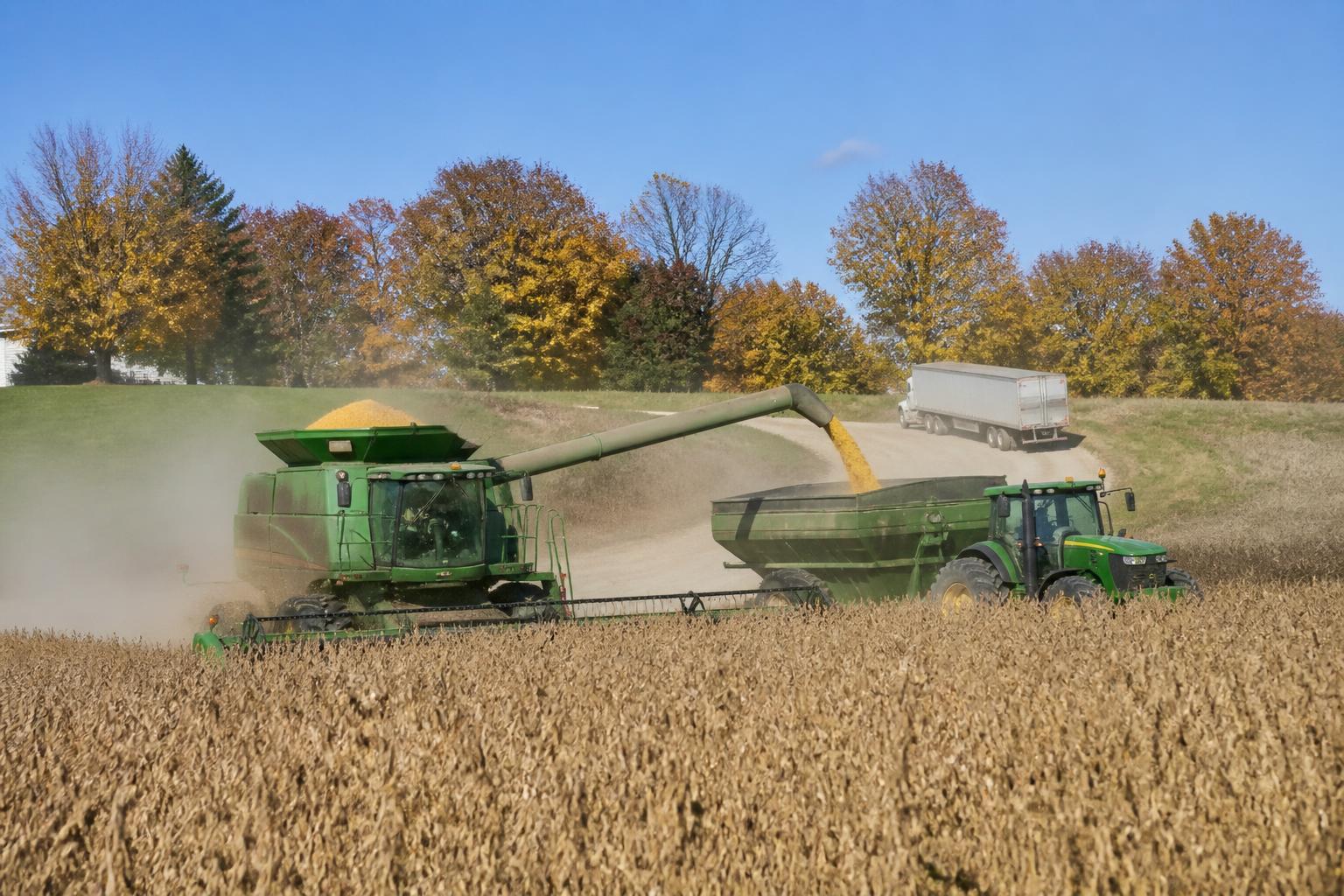
As Wisconsin operations head into the heart of the fall harvest season, logistics remain a primary concern for local elevators and grain handlers. Efficient movement of commodities from field to terminal is essential during this peak window, and recent infrastructure developments are beginning to shift the landscape for regional transport.
Reports indicate that BNSF is set to increase its focus on grain traffic through new terminal infrastructure within the state. For many farmers and elevator operators, this represents a potential improvement in the capacity to move volume efficiently, which can directly influence local grain basis levels and the speed at which seasonal storage bottlenecks are cleared. Increased rail accessibility often provides a competitive edge in maintaining consistent flow, especially when trucking demand peaks alongside harvest activity.
Navigating the Current Logistics Environment
The addition of new rail terminals is a welcome development for those managing grain flow across Wisconsin. Historically, localized traffic constraints and the seasonal surge in demand for haulage have challenged producers. While these long-term infrastructure improvements take time to fully integrate into supply chains, they serve as a critical component in stabilizing market access for Wisconsin grain as volumes ramp up.
Effective planning during the fall months remains vital. As elevators and agribusinesses coordinate with rail carriers, clear communication regarding bin capacity and loading schedules is essential to avoid the delays often associated with high-volume harvest periods. Maintaining flexibility in logistical planning allows operators to better navigate any unexpected interruptions in regional transit.
What it means for the market
For Wisconsin grain handlers, the anticipated expansion of BNSF service points toward a more robust transport network, likely smoothing out some of the logistical friction experienced in past seasons. While these terminal developments are not an immediate fix for all transit variables, they represent a structural shift that may provide more consistent shipping options for the state's grain supply chain throughout the coming harvest.
Comments
No comments yet - be the first to share your take.