
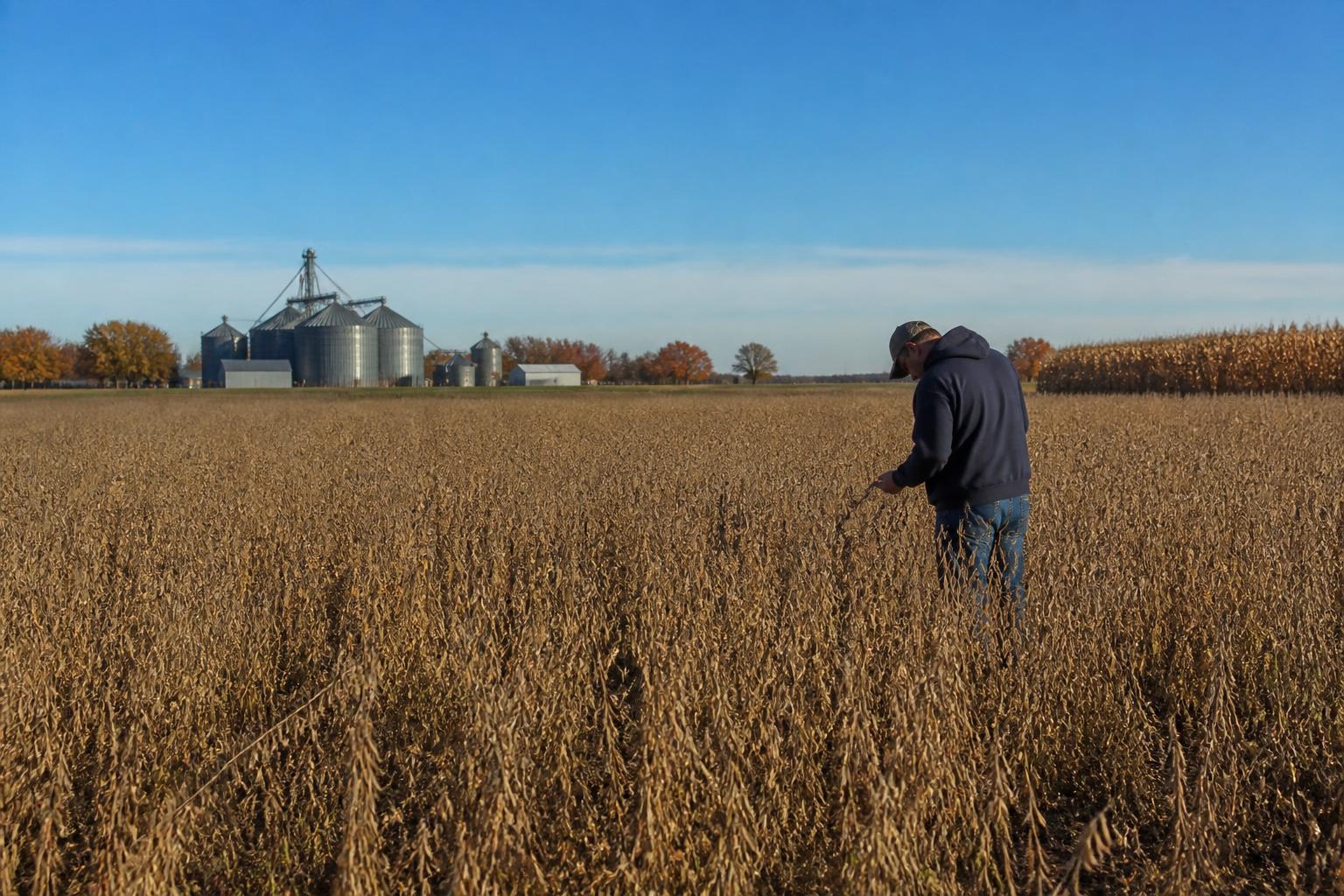
As the fall harvest accelerates across Minnesota, agricultural producers are keeping a close watch on shifting market dynamics. While seasonal field operations move forward, regional grain movement remains tied to broader economic signals, with many local handlers and logistics providers assessing how current grain infrastructure capacity aligns with this year's output.
For many producers in the state, the focus is split between managing immediate harvest logistics and evaluating long-term market signals. Recent reports have highlighted that agricultural sector activity across the broader economy has remained somewhat subdued, leading many operators to question if market prices for staples like corn and soybeans have finally reached a floor. This uncertainty is compounded by the need to identify new export pathways to mitigate the loss of long-standing trade relationships, a challenge that is driving increased attention toward diversified grain market opportunities.
Managing Costs and Infrastructure
Input volatility continues to weigh on the minds of Minnesota agribusinesses. The interplay between fluctuating fuel costs and fertilizer expenses has forced many to reconsider traditional planting and input strategies. Some operations have reported opting out of certain acreage commitments as a direct response to these financial pressures. In light of this, there is growing industry interest in regional efficiency, including state-led initiatives aimed at incentivizing sustainable green fertilizer production to eventually provide a buffer against global supply chain shocks.
Market Outlook and Sustainability
Looking beyond the immediate harvest window, the state’s agricultural sector continues to balance the necessity of high-yield production with environmental stewardship. From investments in tile drainage systems to the exploration of new international market access, the path forward for Minnesota growers involves a combination of technological adoption and strategic risk management. As harvest intensity climbs, data-driven decision-making remains a key pillar for those aiming to protect margins while maintaining field productivity.
What it means for the market
The current environment suggests that Minnesota farmers and grain elevators should remain cautious as they move into the final quarter of the year. While global demand continues to influence local price points, the combination of regional logistical adjustments and the ongoing search for export stability means that maintaining flexibility in grain storage and marketing plans will be essential for navigating the volatility that may persist through the winter months.
Comments
No comments yet - be the first to share your take.