
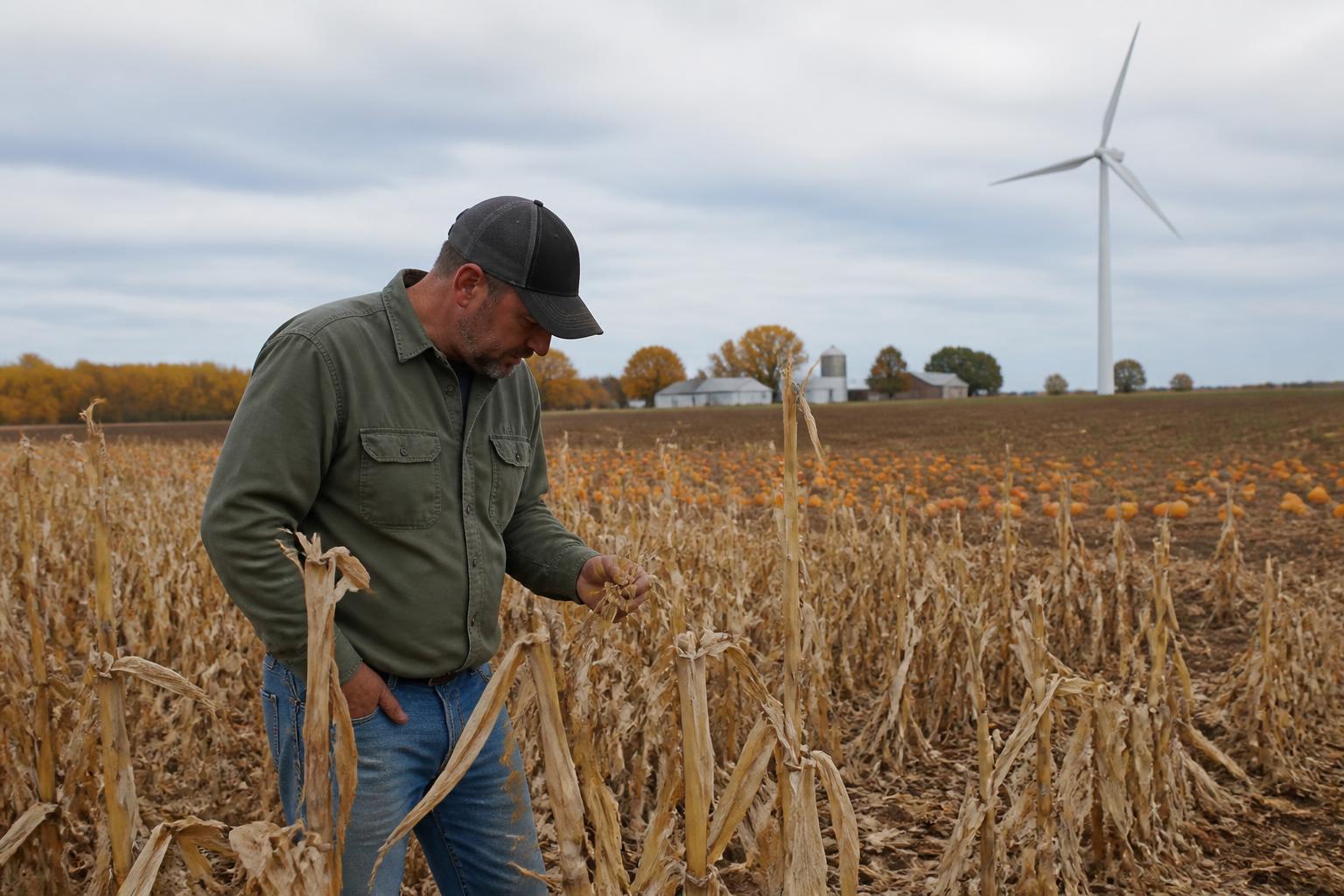
Minnesota producers are currently balancing a complex economic landscape as they manage end-of-season operations. While recent market shifts have created significant financial pressure for many, with some operations facing difficult solvency questions in the first quarter of the year, the focus for the coming seasons is shifting toward mitigating input cost risks. Central to this strategy is the potential transition toward localized, renewable fertilizer production.
Building Resilience Against Market Swings
Fertilizer expenses remain a primary concern for the bottom line of Minnesota agricultural businesses. Traditional nitrogen supply chains are often susceptible to global price shocks, which can severely impact planning for the next crop year. Innovations in using wind-powered, stranded energy to produce green ammonia are being explored as a viable pathway to insulate regional farms from this volatility. By localizing production, stakeholders hope to decouple nutrient availability from international market fluctuations.
Navigating the Current Input Landscape
Beyond innovative production methods, effective management of existing resources remains vital. As growers evaluate their nutrient programs, they are increasingly looking for ways to optimize efficiency and reduce dependency on external supply chains. Understanding the market pressure impacting nutrient decisions is essential for farmers trying to protect their margins before the next planting window opens.
What it means for the market
For Minnesota agribusinesses and grain handlers, the trend toward localized, sustainable inputs represents a structural change in how farm-gate costs are determined. If renewable ammonia projects gain traction, they may provide a much-needed buffer against the price spikes that have hindered profitability for regional producers. While these technologies remain in the development and scaling phases, they signal a growing appetite for supply chain independence in the Upper Midwest.
Comments
No comments yet - be the first to share your take.