
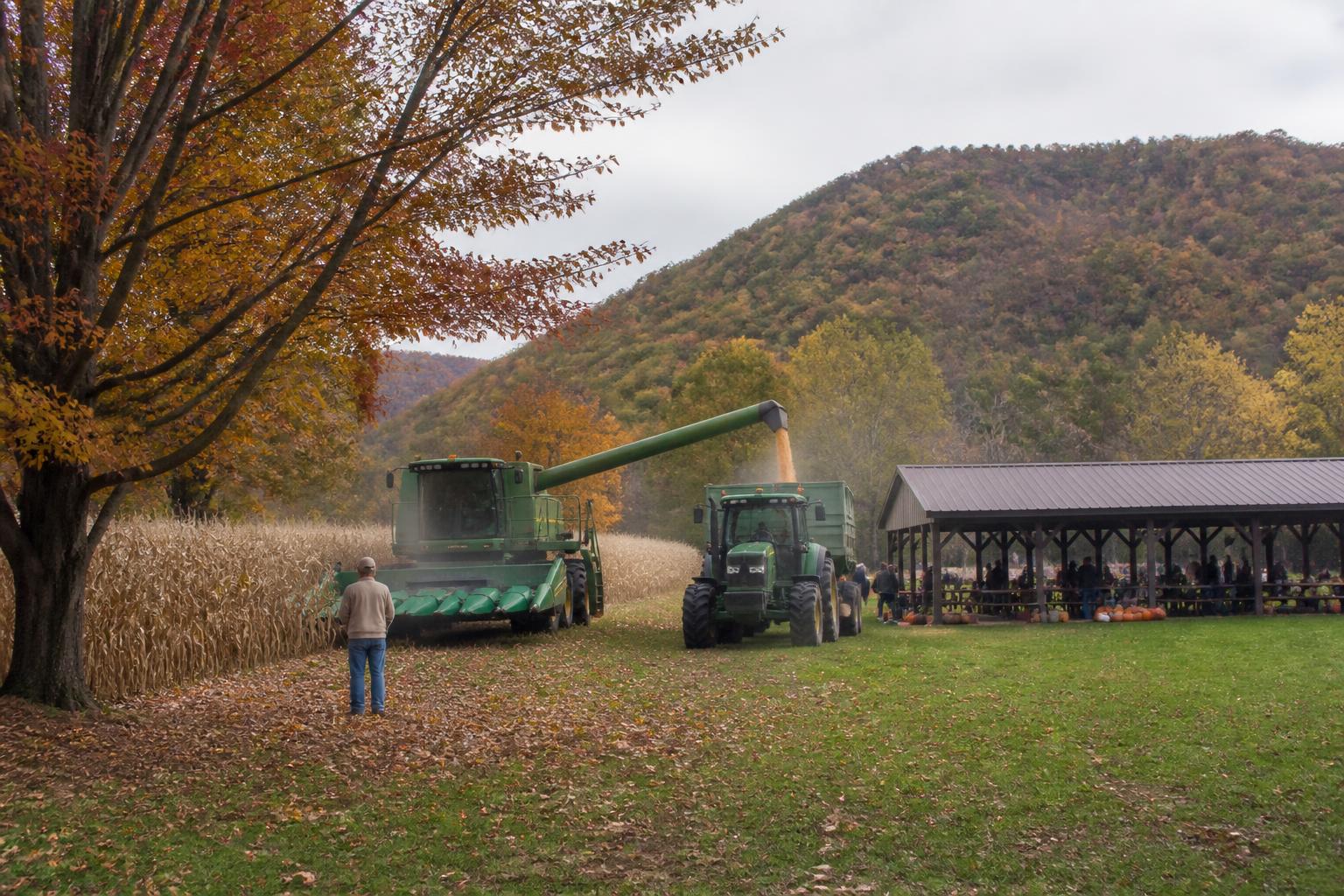
As autumn arrives across West Virginia, agricultural operations are shifting into high gear. For local producers, this time of year often marks a critical window for finalizing harvest plans and coordinating the logistics necessary to move grain and livestock to market. Managing equipment maintenance and securing transport remains a constant priority, especially as producers aim to capitalize on seasonal demand while navigating the nuances of regional infrastructure.
Maintaining transparency remains a top priority for the state’s agricultural community. With producers seeking more consistent data to inform their decision-making, there is a continued push toward improved information flow regarding market conditions. This focus on predictability can help farm businesses better assess their position, particularly when navigating grain buyers, sellers and prices in West Virginia. Enhanced access to clear market information typically empowers growers to make more informed choices, from storage decisions to timing their sales during the busy autumn cycle.
Refining Operations and Accessing Local Markets
Beyond the primary harvest, many producers are exploring value-added opportunities and direct-to-consumer outlets to strengthen their bottom line. The growth of regional market initiatives, such as the expansion of nutrition assistance programs into local marketplaces, reflects a broader trend of connecting rural output with local demand. These initiatives not only support community food access but also offer growers alternative pathways to reach consumers who value locally sourced products.
Building Resilience in an Evolving Landscape
The agricultural landscape in West Virginia continues to evolve, shaped by both legislative developments and the adoption of innovative practices. Whether through participating in public forums to influence policy or integrating new technology to solve operational hurdles, the focus remains on long-term sustainability. As the current season progresses, the combination of proactive planning and a clear understanding of current market data will be essential for maintaining the competitive edge of state-based agricultural enterprises.
What it means for the market: For grain handlers and livestock producers in West Virginia, the immediate outlook hinges on the effective synchronization of harvest logistics with available market data. By prioritizing clear information and leveraging regional distribution channels, stakeholders may be better positioned to mitigate seasonal volatility and improve overall profitability.
Comments
No comments yet - be the first to share your take.