
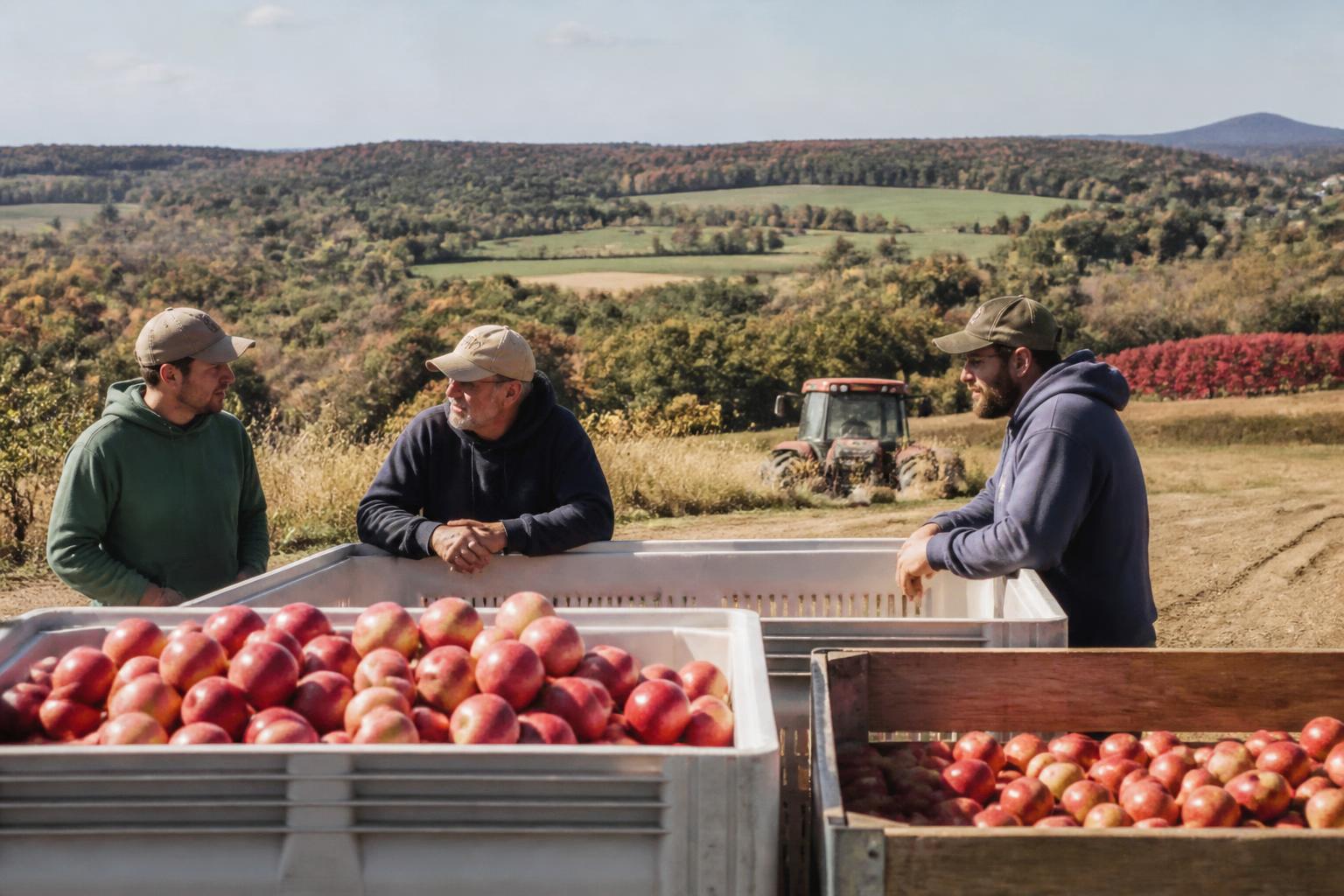
As New Jersey enters the peak of the fall season, the agricultural community remains focused on balancing recovery efforts with the demands of a shifting marketplace. Following recent weather-related hardships that severely impacted fruit yields earlier this year, many growers are finding creative ways to maintain operations and secure supply lines. This period of resilience highlights the critical need for robust logistics and regional support networks as producers move product through busy harvest corridors.
Resilience and Market Adaptation
For many local agribusinesses, diversifying distribution channels has become a survival strategy. While traditional markets remain vital, new retail partnerships for specialty items, such as organic herbs and produce, are providing essential avenues for maintaining cash flow during uncertain times. Producers are increasingly relying on regional retail programs that prioritize local sourcing, helping to stabilize inventory movement even when primary field yields face pressure from environmental volatility.
Regulatory and Economic Challenges
The conversation among New Jersey growers has increasingly shifted toward legislative relief and trade-related impacts. With ongoing discussions regarding potential emergency measures for weather-devastated farms, stakeholders are closely monitoring how policy might alleviate some of the financial weight of the past season. Concurrently, broader concerns regarding trade tariffs continue to circulate among industry handlers, as global supply chain disruptions influence the cost of inputs and the ease of moving regional exports through East Coast transit hubs.
Looking Ahead
Field work persists as the state shifts fully into its fall schedule, with ongoing collaboration between university researchers and industry leaders aimed at enhancing crop protection and operational efficiency. Despite the logistical hurdles and market pressures that often define this time of year, there is a clear emphasis on securing the long-term viability of the state's diverse agricultural sector through both innovation and public-private cooperation.
What it means for the market: For local elevators, logistics providers, and input buyers, the current environment demands agility. Expect continued focus on local sourcing as a defensive strategy against wider supply chain fluctuations. Remaining informed about proposed relief legislation and shifts in trade policy will be critical for businesses looking to navigate the remainder of the year and plan for the next planting cycle.
Comments
No comments yet - be the first to share your take.