
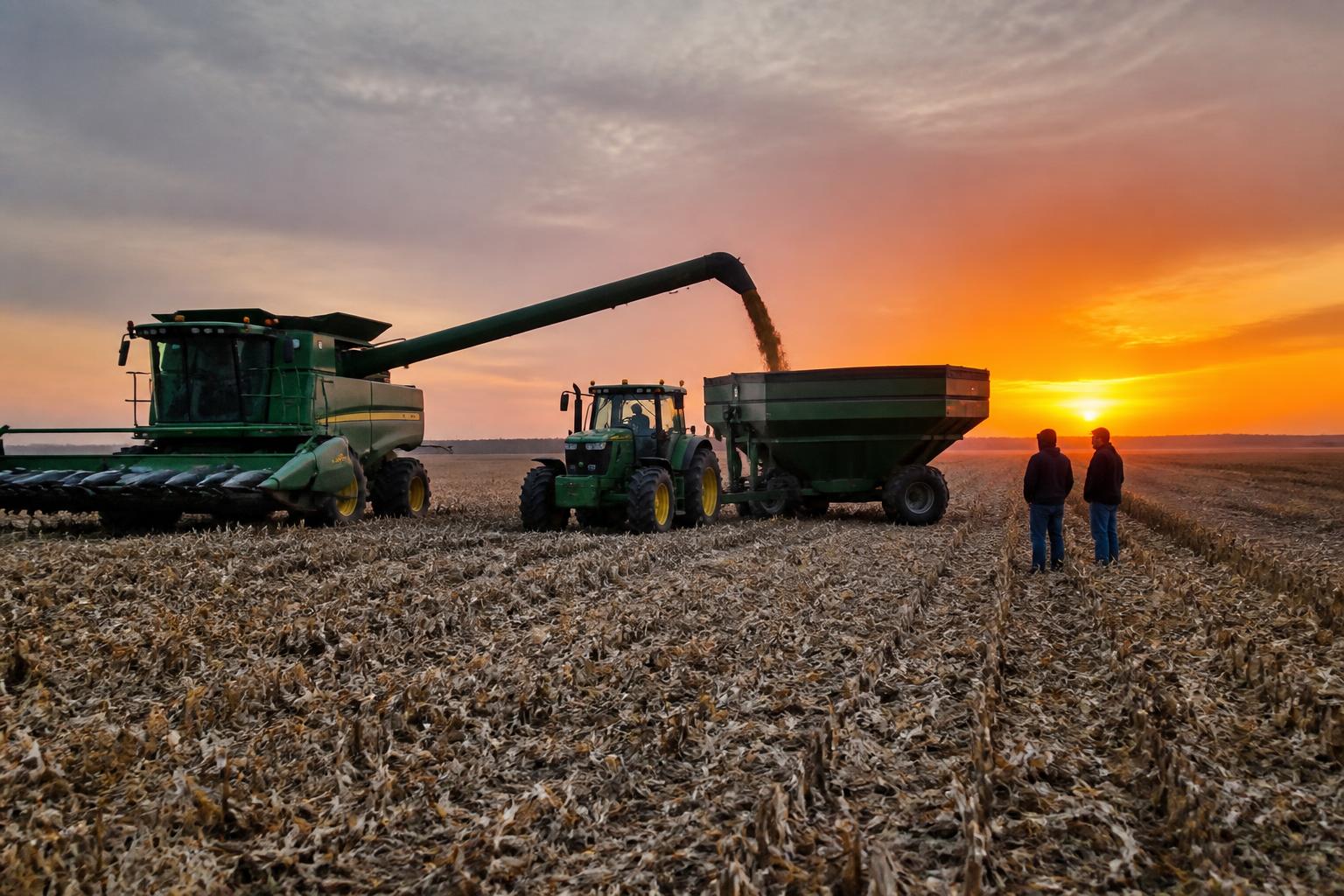
As the fall harvest accelerates across South Dakota, growers are balancing the immediate demands of the field with a complex logistical landscape. With crops reaching maturity, the focus shifts toward maintaining grain quality and managing the movement of supplies from the field to local elevators or long-term storage facilities. Producers across the state, from the eastern corn corridors to the western grazing lands, are assessing their storage capacity to navigate potential bottlenecks during the peak of the season.
For those managing the flow of commodities, understanding the regional constraints is vital. Efficient planning, particularly regarding transport and facility throughput, often makes the difference in maximizing margins when the pressure is on. Staying informed on logistical best practices for grain movement can help producers mitigate the impact of transit delays that sometimes occur during high-volume periods.
Infrastructure and Regional Market Trends
The state continues to see shifts in agricultural processing and investment, which influences local demand for grain and livestock feed. Recent developments in industrial infrastructure, such as plant capacity expansions in Sioux Falls, serve as a reminder that local market access is an evolving component of the supply chain. These facilities often dictate the flow of regional commodities and influence seasonal basis levels.
Operational Efficiency in the Field
Beyond logistics, the fall window offers a final opportunity to evaluate management strategies that impact next year's output. While the current priority remains harvesting the standing crop, many producers are simultaneously auditing their input performance. Strategies to manage pests like corn rootworm and soybean cyst nematode (SCN) are top of mind as the season transitions, as these elements are crucial for maintaining long-term land productivity.
What it means for the market
The combination of localized processing demand and the ongoing requirement for flexible storage solutions suggests that producers who prioritize logistical readiness will be better positioned to capitalize on market opportunities this fall. As the harvest matures, the ability to store grain efficiently and adapt to regional infrastructure shifts will likely remain a key indicator of competitive performance in the South Dakota agricultural sector.
Comments
No comments yet - be the first to share your take.