
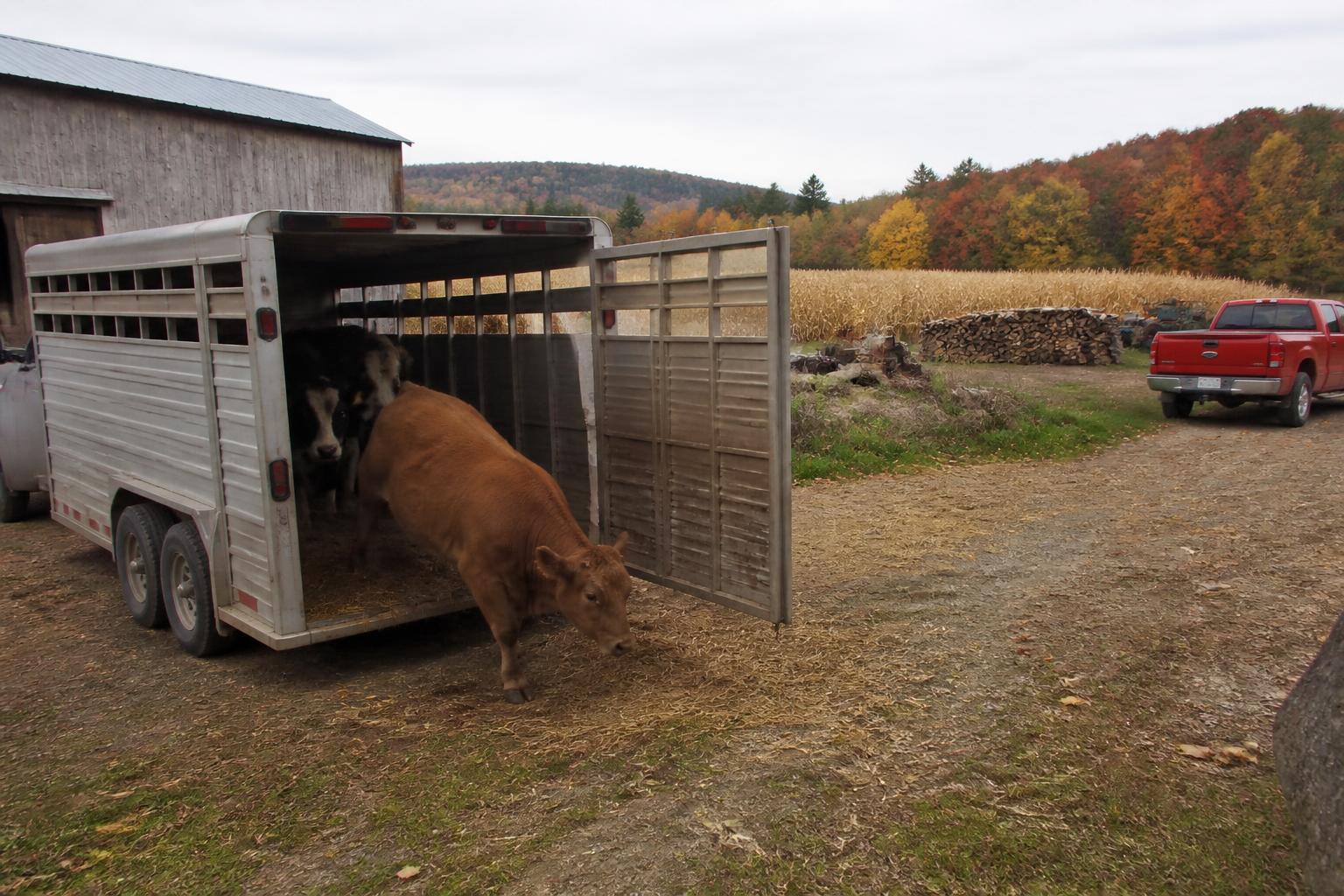
Navigating New Transport Guidelines
As Vermont producers move through the busy fall harvest period, recent updates to state livestock hauling guidelines have become a primary focus for agricultural transporters. Maintaining consistent operational standards is essential for those moving animals across regional corridors, particularly as traffic patterns shift with the seasonal change. Staying informed on the latest regulatory updates is a vital part of Vermont agricultural resilience, ensuring that logistics remain fluid despite shifting compliance landscapes.
Labeling Costs and Market Implications
Beyond logistics, Vermont agribusinesses are continuing to weigh the long-term impact of GMO labeling requirements. For many independent producers and feed suppliers, managing these compliance costs is an ongoing challenge that can influence daily purchasing decisions and final market pricing. Understanding how these regulatory frameworks affect your bottom line is increasingly relevant when navigating current market trends in the state.
Operational Efficiency in the Fall
With the current season progressing, the focus remains on balancing administrative compliance with the heavy workload of late-year farm management. Whether adjusting logistics for livestock movement or reevaluating supply chains to offset regulatory costs, efficiency is key. For those managing complex feed requirements or storage needs, staying aligned with local grain market fluctuations can help maintain stability throughout the colder months ahead.
Key Takeaways
- Review updated state requirements to ensure full compliance for livestock transport vehicles.
- Assess potential labeling costs early to avoid margin compression in niche market segments.
- Coordinate with regional logistics partners to mitigate delays caused by seasonal road traffic.
What it means for the market: For Vermont producers, the intersection of new transport guidelines and persistent labeling costs underscores a need for tighter operational control. By proactively addressing these regulatory pressures now, businesses can avoid costly disruptions and better position themselves for the upcoming winter season.
Comments
No comments yet - be the first to share your take.