
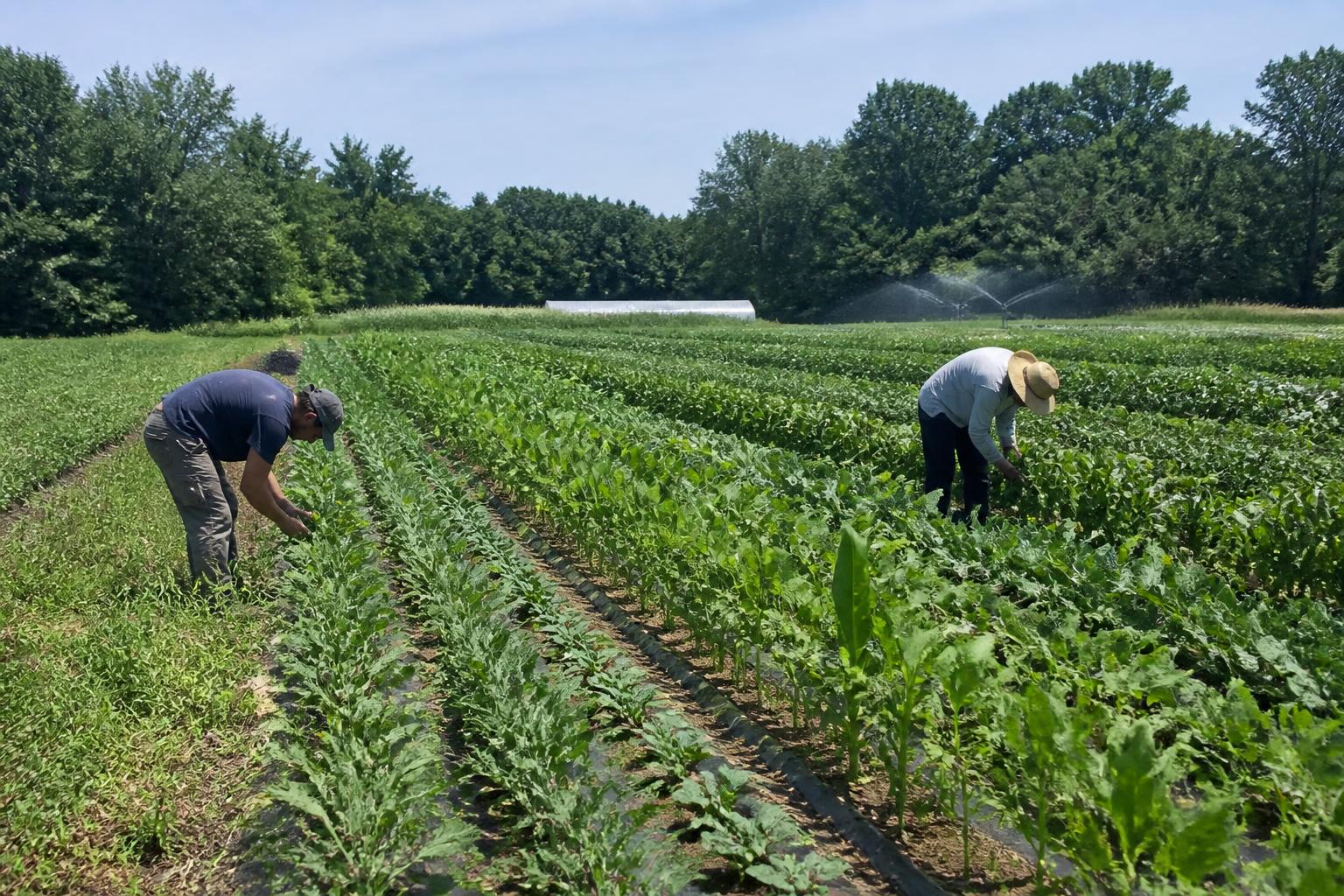
As summer field operations peak across the Delmarva Peninsula, Delaware growers and nursery operators are facing a shifting crop protection landscape. Rising biosecurity concerns, driven by recent pest detections in northern and central parts of the state, are highlighting the critical role of timely monitoring and integrated pest management (IPM). Concurrently, state regulators are expanding options for pesticide applicator education, ensuring that local operators have the necessary resources to maintain compliance during this critical active season.
For agribusinesses managing local input budgets, integrating pest defense strategies with overall market opportunities is key to maintaining summer profitability. Navigating seasonal challenges requires a comprehensive view of both chemical protection and local nutrient supply dynamics, as explored in the Delaware summer fertilizer and logistics outlook.
Invasive Threat: Box Tree Moth Detections in New Castle and Kent Counties
State agricultural officials have recently confirmed the presence of the invasive Box Tree Moth (BTM) in both New Castle County and Kent County, Delaware. The detections, which occurred at private residences and commercial landscapes, have put the state's ornamental horticulture and nursery sectors on high alert. The Box Tree Moth is a destructive pest native to East Asia that feeds primarily on boxwood species, posing a severe threat to both established residential landscapes and commercial nursery stock.
Because boxwoods are a highly valued plant species in regional landscaping, agricultural authorities are urging homeowners, landscapers, and nursery managers to inspect their plants regularly. Signs of infestation include leaf chewing, webbing, and the presence of green-and-yellow striped caterpillars. Rapid identification and reporting are essential to containing the pest before it spreads further south into Sussex County's extensive agricultural and retail nursery networks.
Expanding Pesticide Certification and Sustainable IPM Practices
To help growers combat these emerging pest pressures while remaining compliant with environmental regulations, Delaware has expanded the options available for securing pesticide certification credits. These updated training opportunities allow commercial applicators and private farmers to update their credentials through diverse formats. Keeping licensing up to date is crucial as chemical application rules evolve and environmental scrutiny intensifies.
In addition to regulatory compliance, sustainable crop protection remains a high priority for Delaware's major commodity crops. Soybean and corn growers across the state are increasingly adopting precise IPM techniques to balance crop yields with environmental stewardship. Key strategies being deployed this summer include:
- Using targeted, economic-threshold-based pesticide applications rather than calendar-based spraying.
- Deploying advanced scouting techniques to track pest populations before applying crop protection inputs.
- Adopting soil health and conservation practices that naturally suppress soil-borne pathogens and pests.
These local conservation efforts align with broader Delaware agricultural market opportunities that reward sustainable production methods, helping farmers secure premium positioning for their commodities in a competitive regional market.
Key Takeaways for Delaware Operators
- Heightened Nursery Scouting: Nurseries and landscapers in New Castle and Kent counties should immediately implement rigorous scouting for Box Tree Moth to protect valuable inventory and prevent regulatory quarantines.
- Utilize Flexible Training: Growers should take advantage of the newly expanded pesticide certification credit options to maintain active licensing ahead of late-summer application windows.
- Adopt Precision Protection: Relying on integrated pest management and precision chemical applications can mitigate chemical run-off, protecting local watersheds while managing tight operational budgets.
What it means for the market
The discovery of the Box Tree Moth and the demand for enhanced pesticide training are shifting local crop protection priorities. For Delaware agricultural retailers and chemical distributors, these developments are driving a localized surge in demand for targeted insecticides, specialized monitoring traps, and diagnostic support services. As regulatory compliance and sustainable application practices become more closely linked, growers who proactively manage pest biosecurity and leverage local education programs will be best positioned to protect their crop values and maintain operational continuity through the summer months.
Comments
No comments yet — be the first to share your take.