
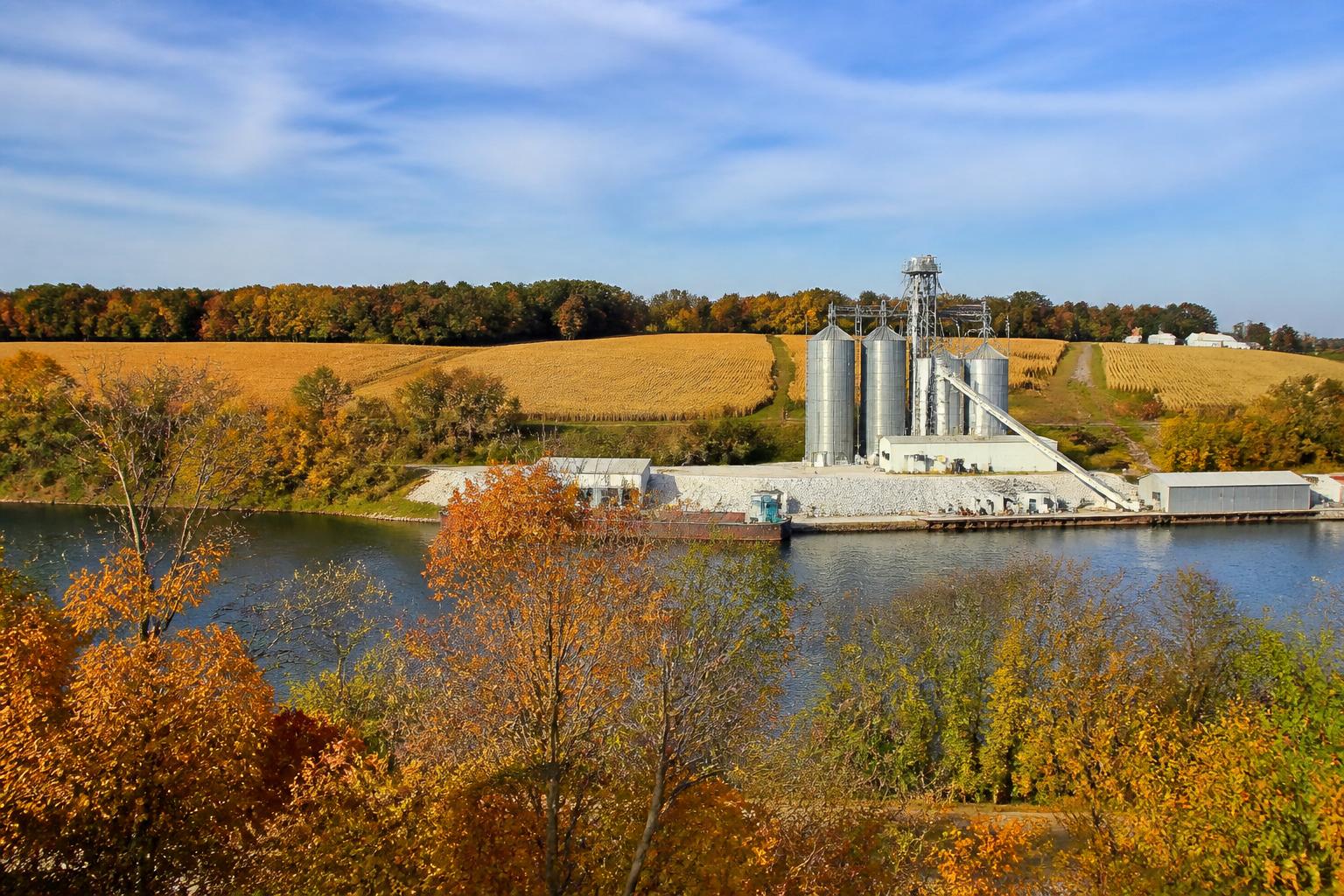
As Ohio producers move deeper into the fall season, the arrival of new infrastructure promises to streamline the flow of critical inputs across the state. The completion of a $20 million river terminal on the Ohio River marks a significant development for regional agribusiness, potentially alleviating some of the logistical bottlenecks that often challenge fertilizer delivery during peak demand periods.
Expanding Regional Logistics
For operations located near major river corridors, this new terminal serves as a vital artery for receiving bulk fertilizer supplies. By utilizing river barge transport, distributors can move larger volumes of product more efficiently than through traditional road-based methods. This increased capacity is timely, as many farmers are currently refining their fall fertilizer strategies to balance soil health goals with the realities of ongoing market fluctuations.
Market Pressures and Procurement
Beyond logistics, the regional market remains sensitive to broader economic headwinds. Analysts continue to monitor developments in trade policy and tariff cases that can disproportionately impact procurement costs for midwestern growers. As the industry faces shifting global trade winds, localized investments in storage and distribution—like the new Ohio River facility—may provide a buffer against potential supply chain volatility.
As the fall season progresses, growers and local elevators should keep a close watch on how these logistical shifts influence regional pricing and availability. While broader market uncertainty persists, the enhancement of transport infrastructure remains a positive indicator for local supply stability.
What it means for the market
The operational launch of the terminal suggests a stabilization of supply chains along the Ohio River. Producers in proximity to this corridor may benefit from improved product availability and reduced reliance on long-haul trucking. Farmers are encouraged to coordinate closely with their local suppliers to lock in application requirements early, ensuring that they can capitalize on localized efficiency gains before the winter weather cycle sets in.
Comments
No comments yet - be the first to share your take.