
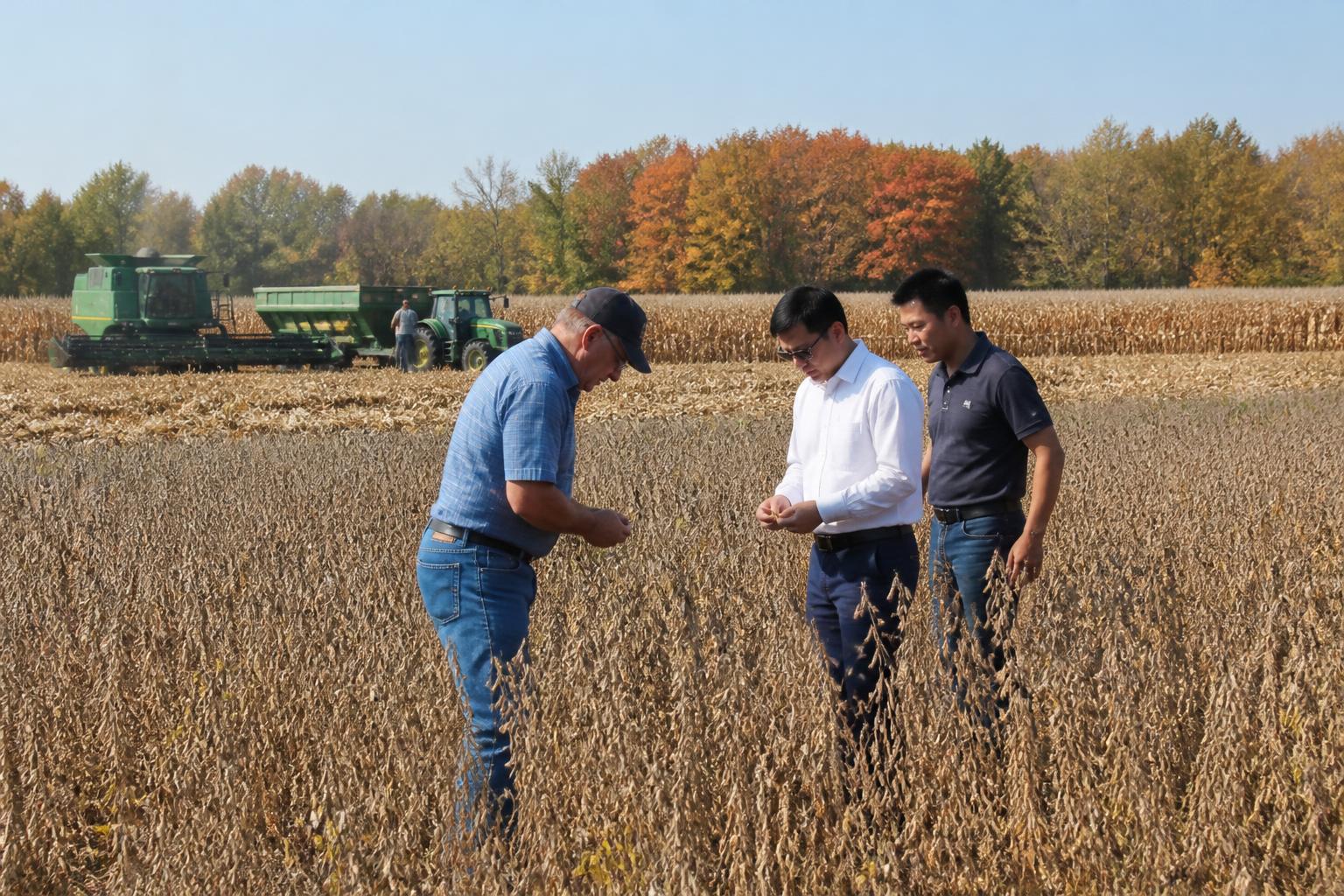
As Illinois agricultural producers shift their focus toward fall field work and 2027 planning, the fertilizer market remains a critical point of concern. Recent seasons have been defined by notable price fluctuations, keeping input management at the forefront of operational strategy. For many growers across the state, from the northern corridors to the fertile lands in the south, the decision-making process for nutrient applications is increasingly reliant on balancing long-term soil health against immediate cost pressures.
Managing Input Costs Amid Market Shifts
The unpredictability of global fertilizer pricing continues to create a challenging environment for local agribusinesses and farm operators. While fertilizer price shifts have periodically eased, sustained volatility requires a disciplined approach to procurement. Producers are often advised to monitor regional supply levels closely, as logistical hurdles can impact the availability of essential products during peak transit windows.
Understanding these cost pressures is essential for maintaining margins. Many operations are finding that early engagement with suppliers and diligent budgeting are the most effective tools to mitigate the impact of price swings. Integrating these strategies into the annual crop plan helps ensure that essential nutrient needs are met without compromising fiscal stability.
Logistical Considerations for the Fall Season
Effective logistics remain the backbone of a successful Illinois harvest and subsequent input application. As farmers manage the movement of grain, coordinating the receipt of fall inputs requires proactive communication with local elevators and transport providers. Keeping ahead of potential supply chain bottlenecks is vital, particularly when balancing the high-traffic demands of the harvest season with the need to stage fertilizer for upcoming dormant season applications.
Resources like the recent reports on harvest logistics highlight the importance of staying informed about localized transport constraints that can affect the timely delivery of inputs. By anticipating these seasonal flows, farmers can better manage their input inventory and reduce the risks associated with last-minute scheduling.
What it means for the market
For Illinois farmers, the current market climate underscores the need for a reactive yet strategic procurement plan. While global conditions may remain uncertain, local operators can improve their position by prioritizing flexible inventory management and maintaining strong relationships with regional grain handlers and input suppliers. Success in the coming season will likely depend on the ability to remain agile in the face of persistent, sector-wide volatility.
Comments
No comments yet - be the first to share your take.