
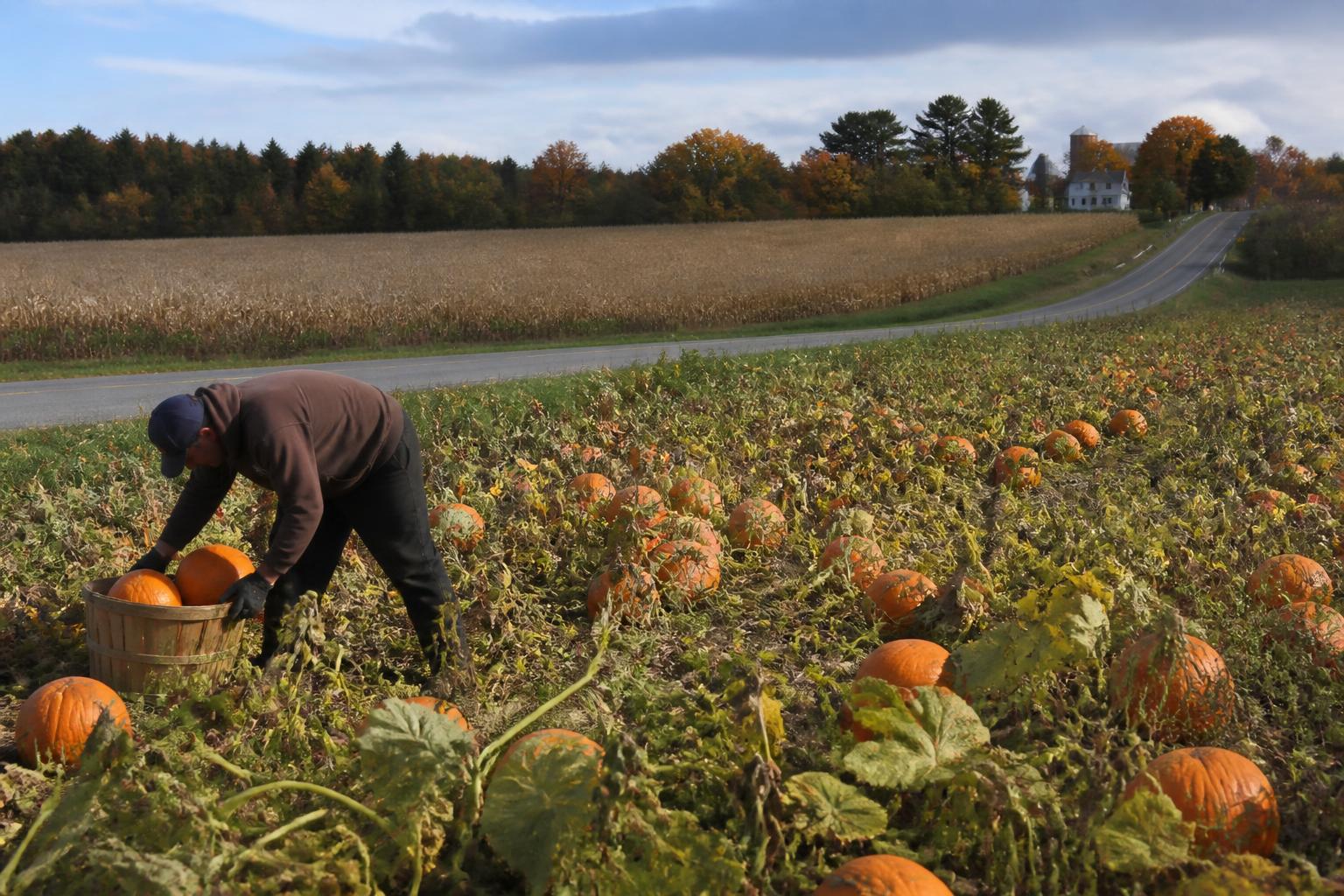
Entering the tail end of September, Rhode Island farmers are shifting their focus from active harvest management to long-term soil health and input planning for the coming season. For many operations across the state, from the coastal fields of Newport County to the inland expanses of Providence County, the balance between production efficiency and sustainable land stewardship remains a primary operational concern.
Understanding the broader market context is essential for local agribusinesses. While global supply chains remain susceptible to geopolitical volatility and unpredictable weather patterns, there is a growing emphasis on local resilience and alternative soil management practices. Growers in Rhode Island who rely on consistent nutrient availability are increasingly looking for ways to streamline their operations, whether through optimized application timing or exploring regional supply alternatives.
Aligning Input Strategies with Regional Priorities
Managing the nutritional needs of crops within a state-specific regulatory framework often requires a nuanced approach. Producers are balancing high-performance needs with strict environmental stewardship, a theme discussed in our recent look at Rhode Island Fertilizer Management Amidst Evolving Environmental Standards. By integrating modern testing and precision management, many local operations are finding ways to maintain output while adhering to state-specific land care mandates.
The Role of Rural Infrastructure
Reliable input delivery is the backbone of successful agricultural planning. As the season turns, ensuring that supply lines remain uninterrupted is critical, particularly for those integrating new fertility programs. The intersection of rural energy investment and agricultural supply chains continues to evolve, with federal support programs aiming to bolster the production capabilities of rural areas. These initiatives, alongside consistent maintenance of rural road networks, are vital for farmers looking to mitigate logistics-related delays during high-demand windows, as explored in our guide to Rhode Island Soil Health and Fertilizer Strategies Entering Fall.
Key Takeaways for Producers
- Prioritize soil testing as the foundation for fall fertility planning.
- Assess local inventory levels early to circumvent potential regional transit bottlenecks.
- Explore available resources for rural energy and production efficiency grants that may support long-term operational sustainability.
What it means for the market: The regional fertilizer market is currently defined by a cautious optimism as producers pivot toward long-term planning. While external pressures remain a constant variable, the shift toward sustainable and local management practices offers a path forward for Rhode Island farmers to secure their margins and maintain productivity in a competitive national landscape.
Comments
No comments yet - be the first to share your take.