
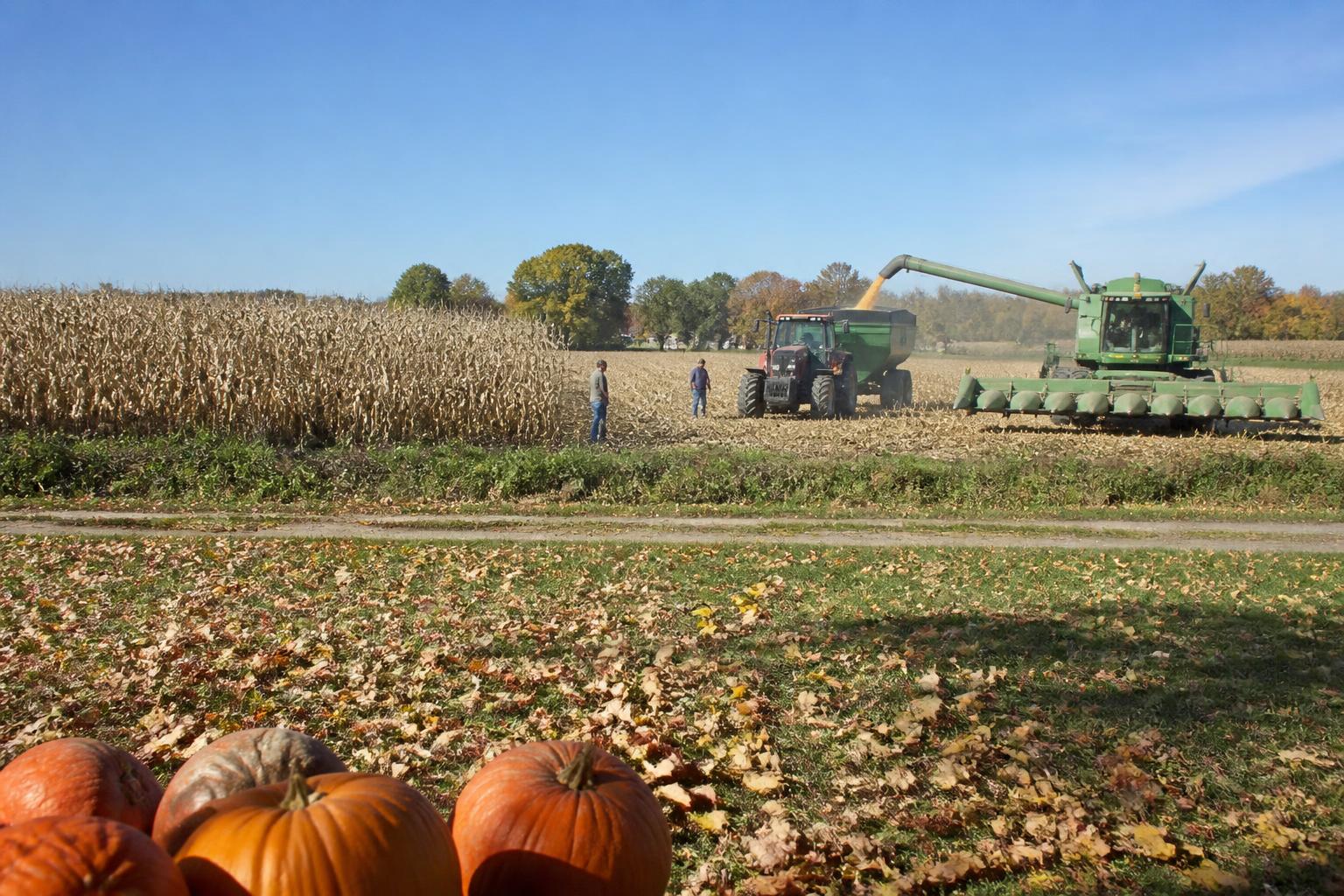
As we transition deeper into the fall season, Ohio producers are turning their attention to post-harvest nutrient management and soil preparation. With ongoing discussions regarding fertilizer market pressures, the focus for many remains on optimizing application efficiency while managing a supply chain that remains sensitive to both domestic logistics and international trade trends.
Managing Soil Moisture and Nutrient Application
Recent reports highlight the need for careful water management in various parts of the state. In some regions, drought-like conditions have prompted local authorities to urge conservation, which can impact the timing and effectiveness of fall anhydrous ammonia or dry fertilizer applications. Farmers are encouraged to monitor field conditions closely, as soil temperatures and moisture levels remain critical variables for ensuring nitrogen stability and minimizing potential leaching risks during the coming winter months.
Procurement and Logistical Considerations
The movement of fertilizer continues to be a central theme for regional agribusinesses. Whether relying on established river terminals or inland distribution hubs, the coordination between carriers and elevators remains a vital component of the state's agricultural infrastructure. As growers evaluate their input needs for the upcoming season, maintaining open communication with local suppliers is essential to mitigate the impact of any temporary regional supply tightness.
What it means for the market
For Ohio farmers, the current market climate underscores the importance of proactive planning. By aligning fall application schedules with local moisture trends and keeping a close watch on regional procurement availability, producers can better manage costs and maintain productivity. With the fall season in full swing, local agility in handling, storage, and logistics will continue to be a defining factor in operational success for the remainder of the year.
Comments
No comments yet - be the first to share your take.