
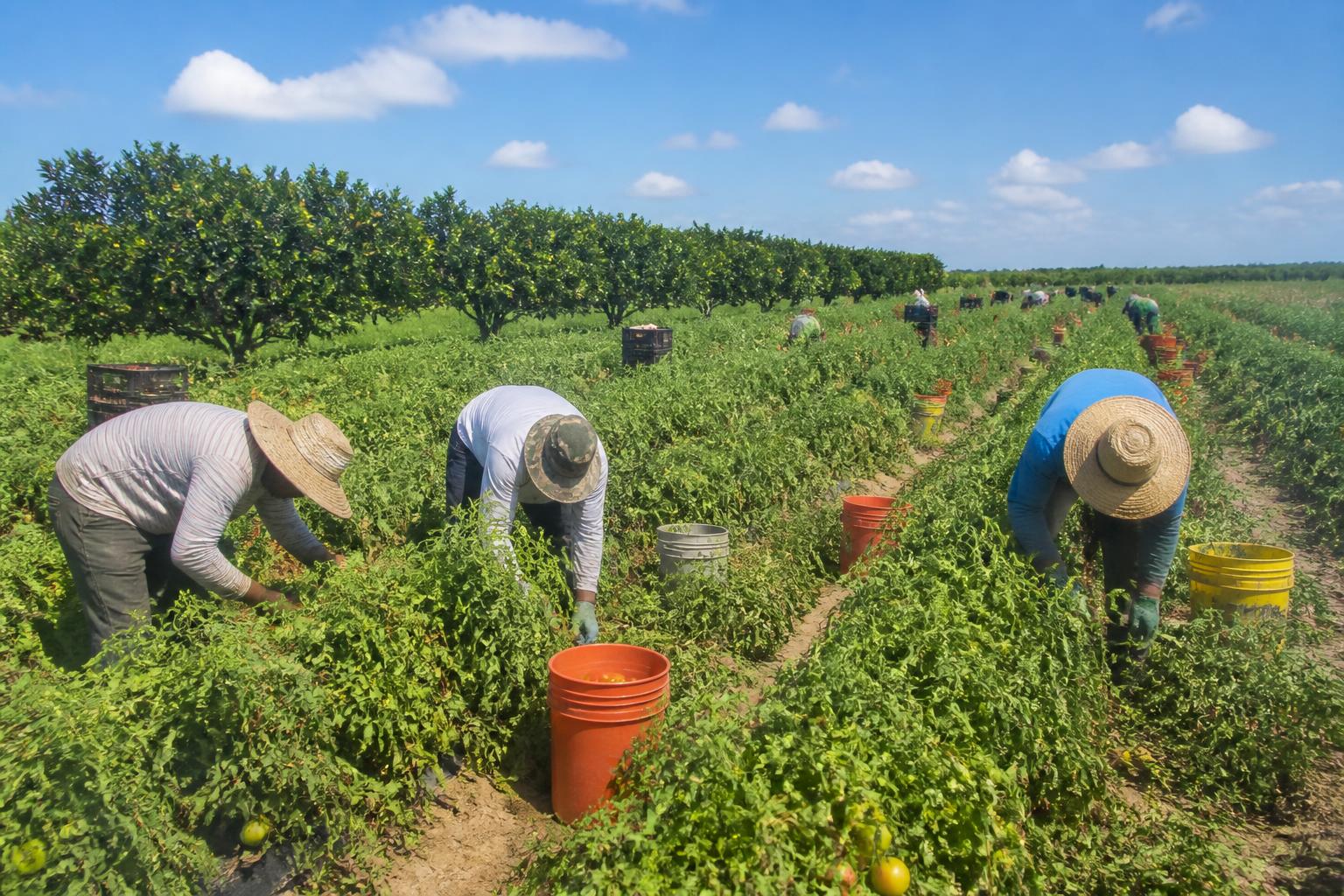
As summer settles over the Sunshine State, Florida grain handlers, feed manufacturers, and livestock producers are navigating a complex grid of shifting input costs and logistics. With the summer heat intense, the agricultural sector is keeping a close eye on global supply chain flows and domestic distribution networks that dictate the flow of essential farm inputs and grains.
From the panhandle down through central Florida-s ranchlands, access to cost-effective fertilizers and feed ingredients remains paramount. While local grain production is smaller compared to the Midwest, Florida-s massive livestock and dairy sectors rely heavily on stable feed channels and regional distribution hubs to keep operations running smoothly.
The Phosphate Duty Battle and Input Costs
A primary concern for Florida-s agricultural community this summer is the high cost of fertilizer. Agricultural groups have actively requested the revocation of duties on phosphate fertilizers to alleviate financial pressure on growers. Because Florida is home to significant phosphate mining and processing, local supply dynamics directly influence national fertilizer availability. High import duties on these products can restrict supply and keep input costs elevated for crop producers, who are already dealing with tight margins.
For those managing livestock feed operations or planning seasonal crop rotations, these input pricing pressures make risk management vital. Many operators are looking toward strategic purchasing windows to lock in nutrients ahead of the fall planting and cover crop season, hoping that domestic policy adjustments might soon offer relief.
Logistics and Storage Infrastructure Expansion
Logistical efficiency is receiving a boost in Northeast Florida, where major commercial developments are in the pipeline. Projects such as the Plant Agricultural Systems facility and new warehouse developments in the Jacksonville area are expected to bolster regional supply chains. These infrastructure improvements can help streamline the movement of agricultural goods, feed ingredients, and inputs across state lines and through critical shipping corridors.
Enhanced storage capacity in North Florida often translates to reduced transit times and more stable basis patterns for local grain buyers. For detailed regional strategies on managing these supply shifts, growers can review current plans for planning for regional supply shifts in the North Florida grain and feed market as summer progresses.
Alternative Revenue Through Biomass
As traditional commodity channels face headwinds, Florida growers are also exploring alternative market segments. Research and industry assessments suggest that biomass production could provide a substantial boost to Florida-s rural economy. Developing dedicated biomass crops can offer farmers a way to diversify their fields, utilize marginal land, and tap into the growing bio-energy and specialty fiber markets, reducing reliance on conventional feed grains alone.
Key Takeaways for Florida Agribusinesses
- Input Pricing: Keep a close eye on ongoing policy discussions regarding phosphate fertilizer duties, as any reduction could quickly ease input costs.
- Infrastructure Value: Leverage new warehouse and logistics hubs in North Florida to optimize feed and grain transport.
- Diversification: Consider evaluating biomass or alternative specialty crops to buffer against volatile commodity grain markets.
What it means for the market
For Florida grain handlers, feed suppliers, and livestock operations, the summer market requires a focus on supply chain flexibility and local storage capacity. While global trade routes and domestic import policies continue to dictate fertilizer and feed ingredient pricing, the expansion of regional logistics infrastructure offers a practical way to manage distribution risks. Monitoring these localized supply shifts will be critical for maintaining profitable operations through the remainder of the season.
Comments
No comments yet — be the first to share your take.