
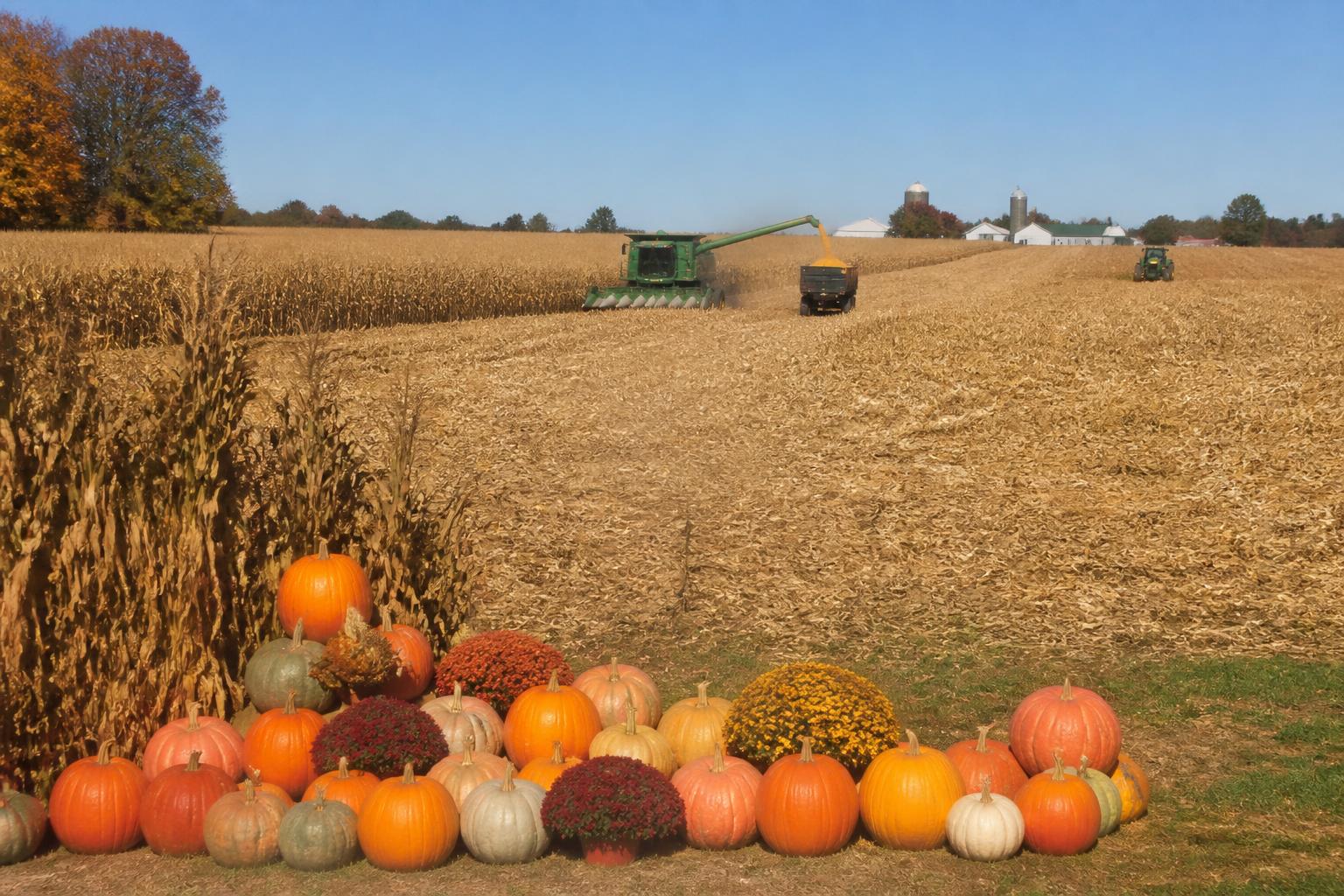
As the fall season progresses, South Carolina farmers are actively navigating the complexities of harvest logistics. With field activities intensifying across the state, ensuring that grain moves efficiently from the farm gate to local elevators and regional storage facilities remains a top priority. Producers in key agricultural corridors are balancing the immediate demands of the season with long-term strategic planning to mitigate the impact of ongoing market volatility.
Effective grain management at this time of year often requires close coordination between growers, carriers, and storage managers. Many in the industry are focused on optimizing transport flows along major corridors to avoid bottlenecks that can occur when regional harvest volumes peak simultaneously. For a deeper look into the logistical challenges and current seasonal trends affecting regional movement, review this analysis of South Carolina grain logistics to better align your operations with current infrastructure realities.
Managing Seasonal Volatility and Risk
In various parts of the state, managing production risks—ranging from localized weather pressures to broader market shifts—has become a constant for many agribusinesses. Growers often evaluate their options for vertical integration or conservation-linked revenue streams to build resilience against market uncertainty. As the harvest windows tighten, regional feedback suggests that maintaining clear communication channels with local grain handlers is essential for securing competitive handling rates and timely delivery slots.
Logistical Considerations for the Fall Cycle
Proper scheduling is particularly critical as we move through the harvest cycle. Producers should consider potential road weight restrictions and seasonal traffic patterns that often impact rural transport routes. By planning for, rather than reacting to, localized delays, farms can ensure that their grain reaches its intended destination while maintaining quality standards. Maintaining high-quality grain is particularly important given the competitive nature of today’s market, where logistical efficiency serves as a primary driver of profitability.
What it means for the market
Producers who prioritize early logistical planning and leverage strong relationships with local handlers are better positioned to weather the fluctuations typical of this harvest season. By staying informed on infrastructure capacity and maintaining flexibility in storage and transport, South Carolina agribusinesses can navigate the current environment with greater predictability and financial stability.
Comments
No comments yet - be the first to share your take.