
The Rise of Kelp in Connecticut Waters
Connecticut's agricultural landscape is evolving beyond traditional terrestrial farming as kelp harvesting gains momentum along the coast. For producers and maritime agribusinesses, this shift represents a unique opportunity to tap into a growing market. As operations scale, growers are increasingly looking toward efficient supply chain integration to manage the unique handling requirements of marine-based harvests.
Understanding the logistical demands of this sector is essential for those involved in the broader Connecticut agribusiness market. Proper management of transit and storage during the harvest season ensures product quality and maintains competitive margins in a developing industry.
Managing On-Farm Challenges
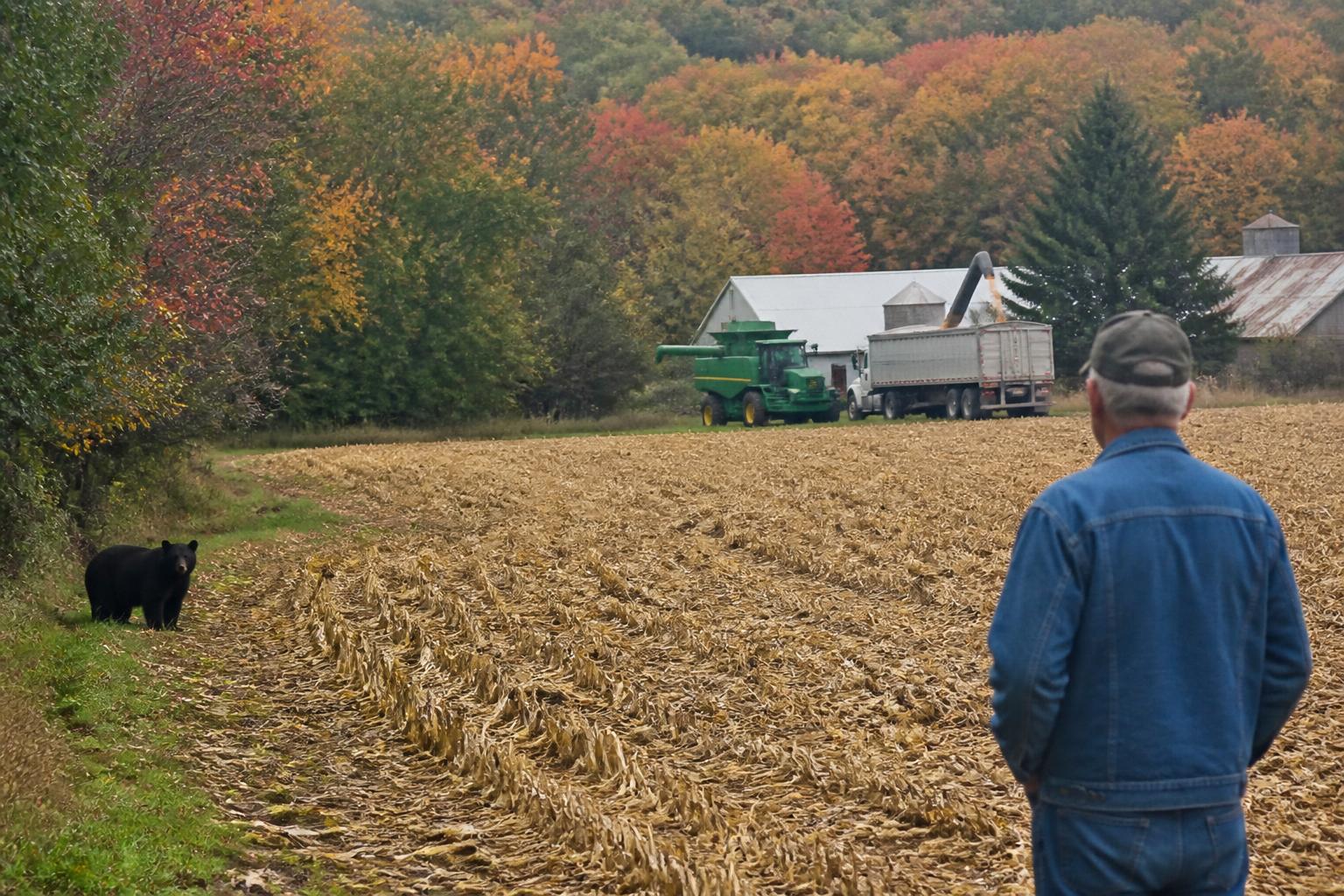
As farm operations expand, producers often encounter external pressures that require careful management. Recent incidents in the state highlight the importance of maintaining robust biosecurity and wildlife management protocols. Whether managing livestock or high-value specialty crops, producers must navigate state regulations while protecting their assets from predators and pests. Staying informed on current policy and best practices helps prevent unexpected legal or financial hurdles that can disrupt seasonal operations.
What it means for the market
For the Connecticut agribusiness sector, the dual focus on emerging aquaculture and risk management underscores the need for versatility. Market participants should prioritize infrastructure that supports both the logistical needs of new coastal commodities and the protective measures required for established livestock. Adapting to these trends now can provide a significant advantage as the state's agricultural output continues to diversify throughout the fall season.
Comments
No comments yet - be the first to share your take.