
Oklahoma's agricultural landscape is currently showcasing a stark contrast between moisture-driven delays and persistent dry pockets. Across the state, heavy regional rains have slowed combine progress down, yet growers remain optimistic as early yield reports indicate better-than-expected potential. This mixed weather pattern has forced grain handlers to stay highly flexible with their logistics and storage plans during this critical summer run.
Wheat Harvest Faces Delays but Shows Strong Yield Potential
In many wheat-growing counties of Oklahoma, wet weather has temporarily stalled field operations. Despite these delays, early cut samples indicate that the crop has maintained solid test weights and favorable yields in areas that avoided severe late-season weather. However, the Southwest winter wheat harvest continues to reflect a split story, with some western regions still grappling with the lingering effects of dry soils, while central and northern areas navigate moisture-related harvest pauses.
Growers looking to market their grain this season are keeping a close eye on global price trends. Managing these fluctuations requires careful risk management, especially as local elevator bids respond to regional demand. For a deeper look at historical pricing trends, producers can review how steady growth in the wheat market has played out during past volatile cycles.
Sorghum and Diversification Strategies
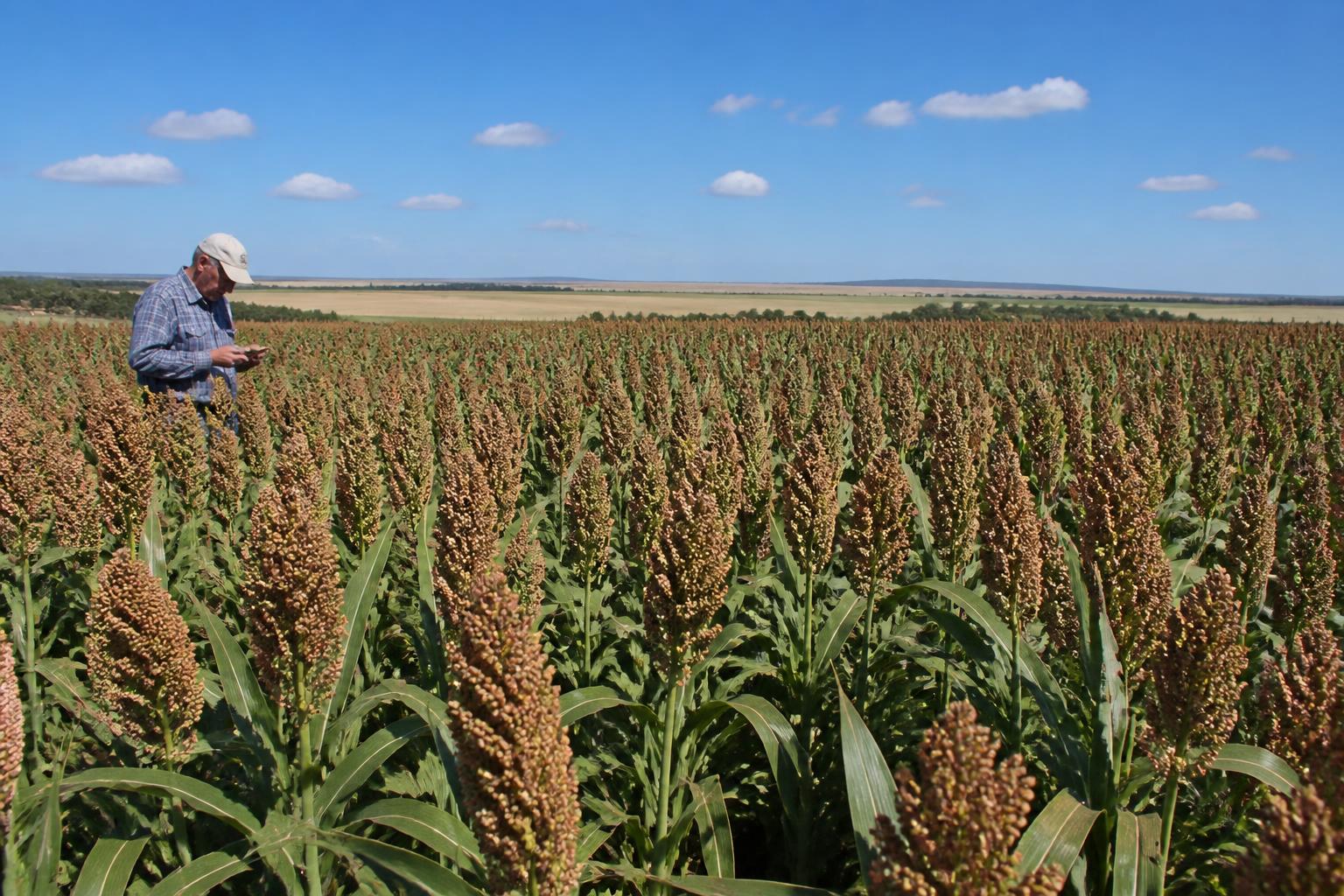
Given the volatile weather patterns across the Great Plains, grain sorghum is increasingly proving its value as a resilient alternative for Oklahoma and South Texas growers. Sorghum's natural drought tolerance and lower input costs make it an attractive option for dryland fields where water conservation is paramount. This adaptability offers a valuable buffer against the summer heat and sporadic rainfall that often deplete soil moisture reserves.
At the same time, regional agricultural entities are investigating new farming structures and crop mixes. For example, the Osage Nation has been actively looking into diverse farming options to optimize tribal land use, manage resource allocation, and enhance local food security. Additionally, structural shifts are occurring in Oklahoma agricultural leadership, marked by the retirement of long-time advocates like Ron Sholar from the Oklahoma Peanut Commission, highlighting a period of transition across multiple commodity groups.
Logistics and Cattle Market Feed Demands
Harvest logistics require robust transportation networks to move grain efficiently from the field to local terminals and Gulf ports. While local transport leaders and entities like Groendyke Transport continue to receive recognition for their service and support of Oklahoma State University agricultural initiatives, the broader trucking sector remains focused on managing fuel costs and driver availability during the peak harvest squeeze.
Furthermore, persistent drought in specific pockets of the state continues to pressure livestock forage availability, prompting cattle producers to seek alternative feed grains. This local demand for feed and forage is expected to keep a firm floor under regional grain pricing, as highlighted in reports on how Oklahoma grain markets navigate volatility and regional yield splits during challenging weather years.
Key Takeaways for Oklahoma Producers
- Monitor Moisture Levels: Keep a close eye on grain moisture percentages as harvest delays can affect test weights if wet conditions persist.
- Consider Drought-Resilient Alternatives: Evaluate grain sorghum for dryland acres to hedge against unpredictable summer precipitation.
- Coordinate Hauling Early: Work closely with regional freight carriers and elevator operators to secure timely transport during peak field activity.
What it means for the market
The current Oklahoma grain market is defined by operational resilience in the face of localized weather disruptions. While rain delays have pushed back harvest schedules, the promising yield reports prevent a major supply shortfall. For Oklahoma grain handlers, elevator managers, and livestock feeders, the coming weeks will require close communication and strategic timing on cash sales to capture optimal pricing before the fall marketing cycle begins.
Comments
No comments yet — be the first to share your take.