
As Oregon transitions deeper into the fall season, the state's agribusiness landscape is witnessing significant structural shifts. Recent consolidation activity, highlighted by the merger of Grange Co-op and Farm Supply Company, signals an ongoing transformation in how producers access critical inputs and support services across the region. These organizational changes often ripple through local supply chains, influencing everything from procurement lead times to the availability of specialized agronomic resources.
Infrastructure and Logistical Updates
Logistical efficiency remains a primary concern for Oregon's diverse agricultural sectors. The Port of Umatilla has recently moved to strengthen its trade and economic development leadership, a development that may eventually offer expanded shipping or regional logistics advantages for growers throughout the Columbia River Basin. For those managing inventory or coordinating the movement of bulky commodities, staying informed about these regional hubs is essential for streamlining operational costs.
Precision Farming and Sustainability
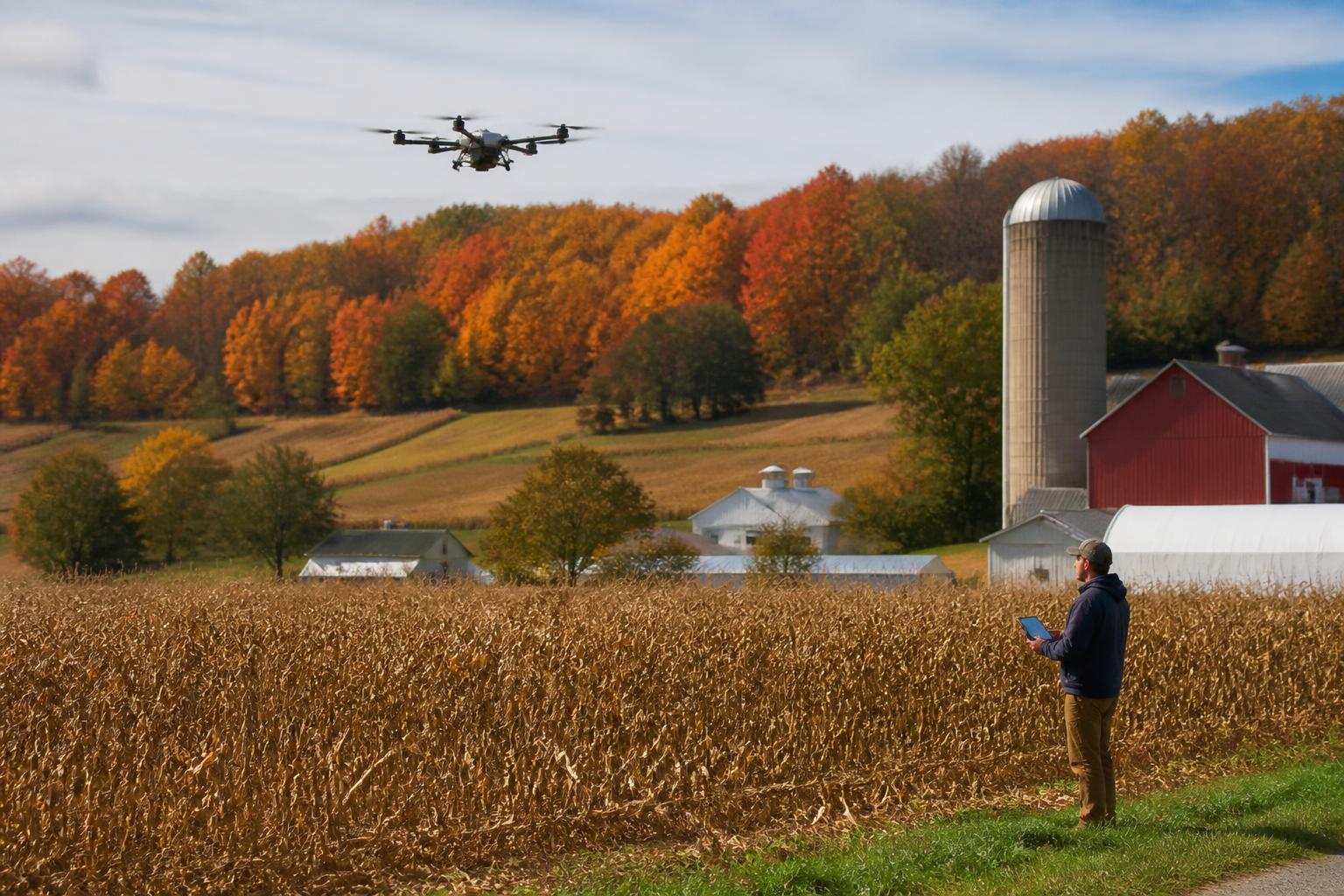
Beyond logistics, the push for operational efficiency is driving innovation in field-level technology. Companies like Kawak Aviation are advancing aerial solutions tailored for precision farming, providing new avenues for managing inputs with greater accuracy. This focus on precision aligns with broader regional initiatives, such as the ongoing conversations surrounding fertilizer oversight and regulatory transparency, as producers look for ways to balance high-input requirements with sustainability goals.
What it means for the market
For Oregon producers, this season is characterized by a blend of consolidation and technical evolution. The integration of larger supply firms suggests a more centralized service model, which can provide economies of scale but also requires closer attention to local account management. As infrastructure projects at key ports and advancements in precision application technologies take hold, farmers and agribusinesses that proactively align their supply procurement and logistical planning with these shifts will be best positioned to handle the economic pressures of the coming harvest cycle.
Comments
No comments yet - be the first to share your take.