
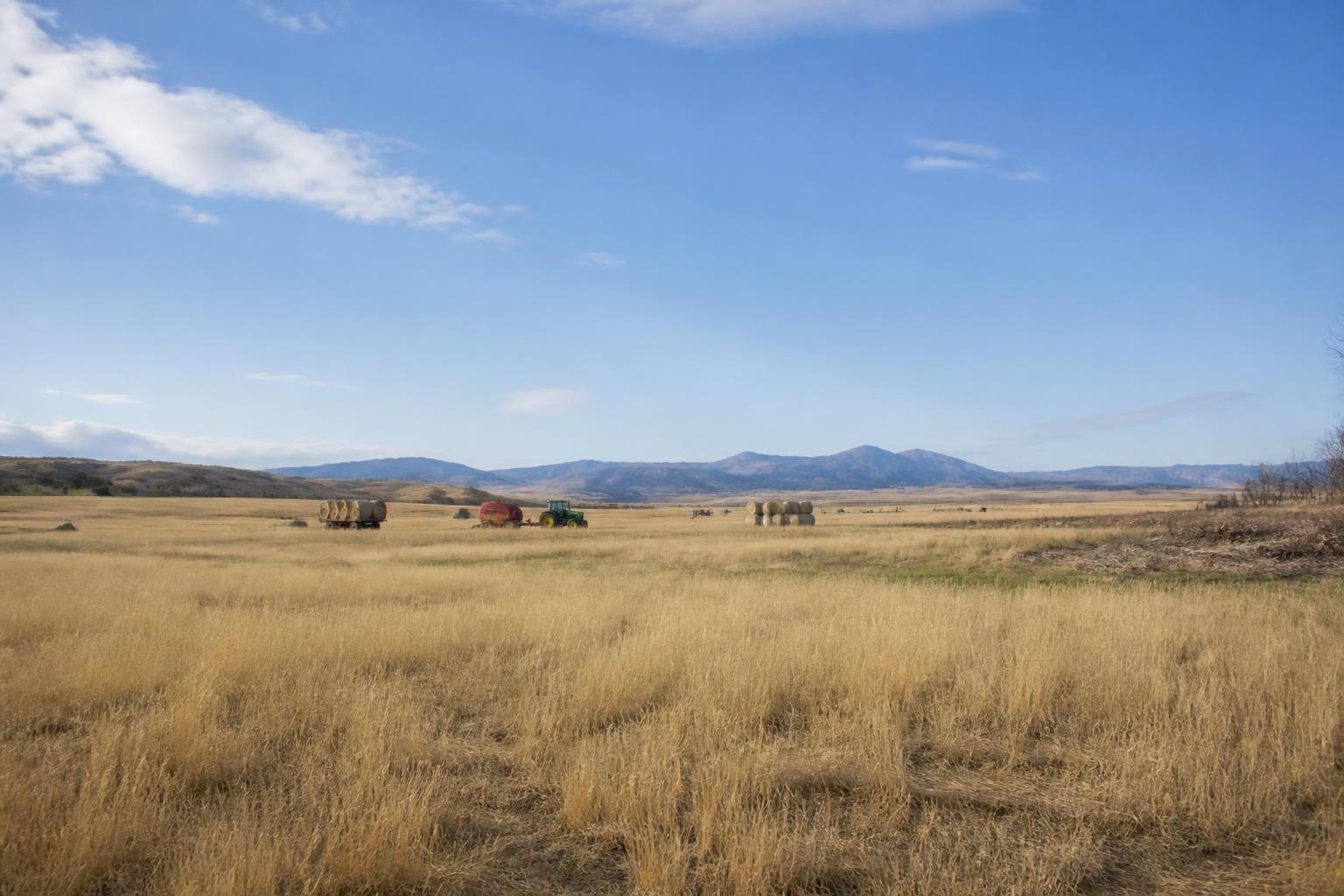
As the fall harvest season progresses, Montana producers are navigating a landscape defined by significant environmental variables. While recent agricultural conditions have brought attention to both soil health and the potential for utilizing CRP acres for hay production, the current focus for grain handlers and farmers remains firmly on the efficient movement and storage of this season's output.
Regional transport corridors are seeing increased activity, with elevators across the state preparing for the heavy intake typical of this time of year. For those managing operations in key agricultural regions, maintaining a close eye on regional grain movement is essential as trucking capacity remains a sensitive point for logistics managers. For more insights into optimizing these workflows, producers may find it helpful to review recent developments in processing expansion that are currently influencing transport demand.
Weather Risks and Field Readiness
Weather remains the primary disruptor for 2026 operations. Across the state, changing climate patterns have introduced elevated risks from both sporadic storm activity and localized heat stress. These factors not only impact final yield numbers but also influence the moisture levels of incoming grain. Elevators and independent operators are encouraged to prioritize accurate moisture testing to avoid unnecessary drying costs and preserve grain quality throughout the storage period.
Navigating Market Dynamics and Inputs
With the variability in current crop conditions, many operators are reassessing their storage strategies. In addition to balancing logistical loadouts, producers are also looking ahead to next season's requirements. Ensuring that fertilizer storage and soil health programs are aligned with current land management practices is becoming a cornerstone of maintaining consistent output. You can track how domestic supply changes may impact your future planning by referencing recent analysis of fertilizer capacity trends.
What it means for the market
The convergence of variable harvest timing and tightened logistics necessitates a proactive approach to grain marketing and transport. Producers who can leverage local storage and maintain flexible delivery schedules are better positioned to navigate the potential bottlenecks common during peak fall shipping. Monitoring local elevator updates and regional infrastructure performance will be critical for avoiding costly delays as the harvest concludes.
Comments
No comments yet - be the first to share your take.