
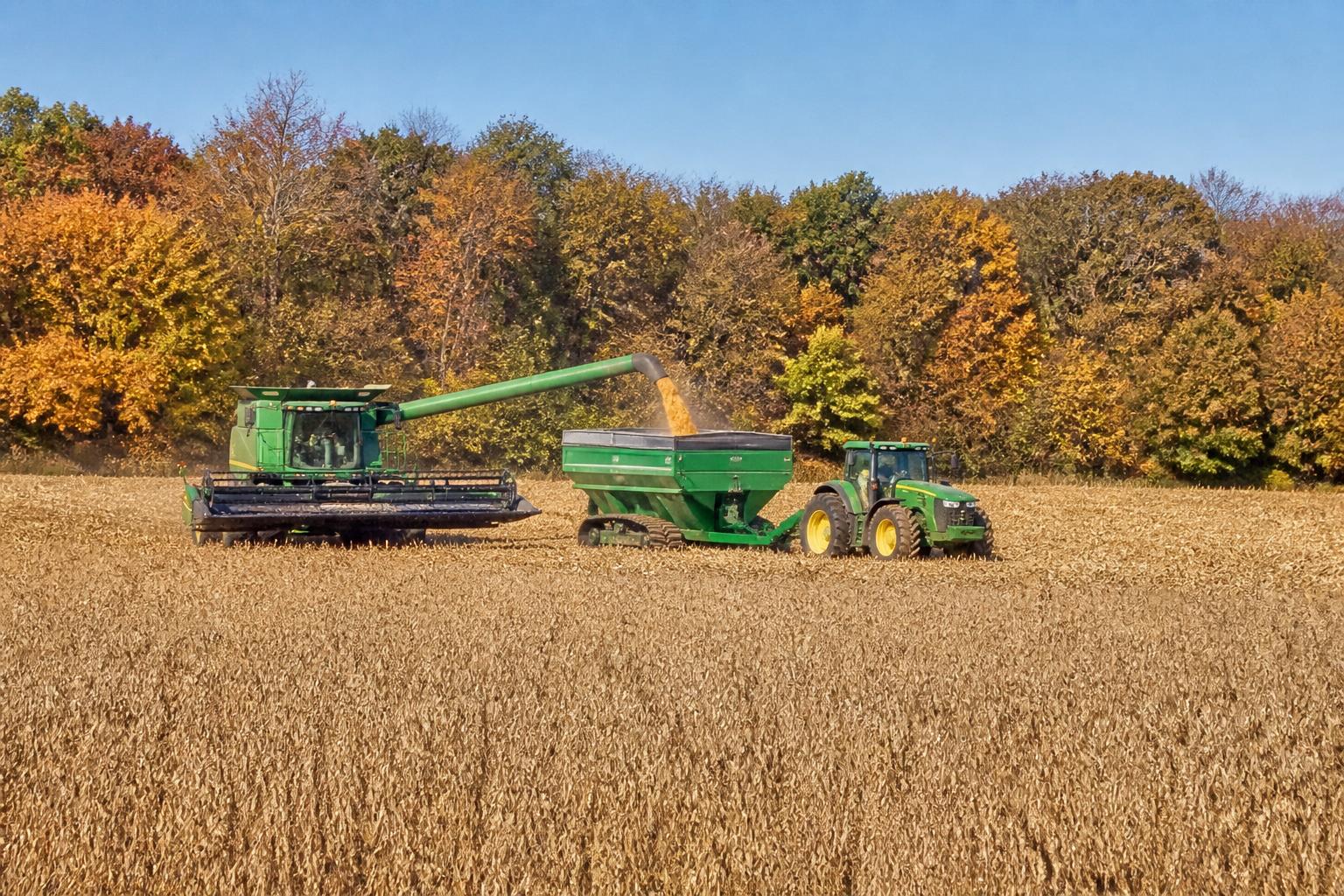
As the Illinois harvest progresses, producers across the state are shifting their attention from field performance to long-term crop protection strategies. The recent emergence of highly resilient waterhemp populations in several Illinois fields has underscored the persistent threat of herbicide resistance, forcing many growers to re-evaluate their chemical programs ahead of next season.
Effectively managing resistance requires a diversified approach that goes beyond standard applications. With recent data showing that some weed populations are becoming increasingly difficult to control, integrating alternative modes of action and mechanical control measures remains critical. For those planning their upcoming budgets, balancing cost pressures and strategic procurement of crop protection products will be essential to maintaining margins as farmers navigate what many describe as a tightening financial landscape.
Adapting to Evolving Resistance
The difficulty of managing resistant weeds often scales with field conditions and environmental variables. Because resistance can vary significantly between counties, many agronomists suggest scouting late-season escapes carefully. Documenting areas where standard chemical applications failed can provide valuable data for adjusting future herbicide resistance management plans. In some parts of the state, farmers are moving toward layering residual products earlier in the season to catch weeds before they reach maturity.
Building Resilience into the Farm Plan
While chemical options remain the primary tool for many, the broader conversation in Illinois agriculture is turning toward integrated pest management. Crop rotation and the inclusion of cover crops are frequently discussed as methods to disrupt weed life cycles, though producers are watching closely as policy changes potentially impact funding for these conservation practices. By prioritizing soil health and monitoring field-level weed pressure, farmers may be better positioned to mitigate the risks of resistant biotypes establishing a foothold in their operations.
What it means for the market
For agribusinesses and input buyers, the focus remains on inventory management and product availability. As producers refine their weed control strategies, demand for specific high-efficacy chemistries may fluctuate, placing a premium on planning and early procurement. Staying informed on regional resistance trends will be a key factor for grain handlers and producers alike in maintaining long-term field productivity.
Comments
No comments yet - be the first to share your take.