
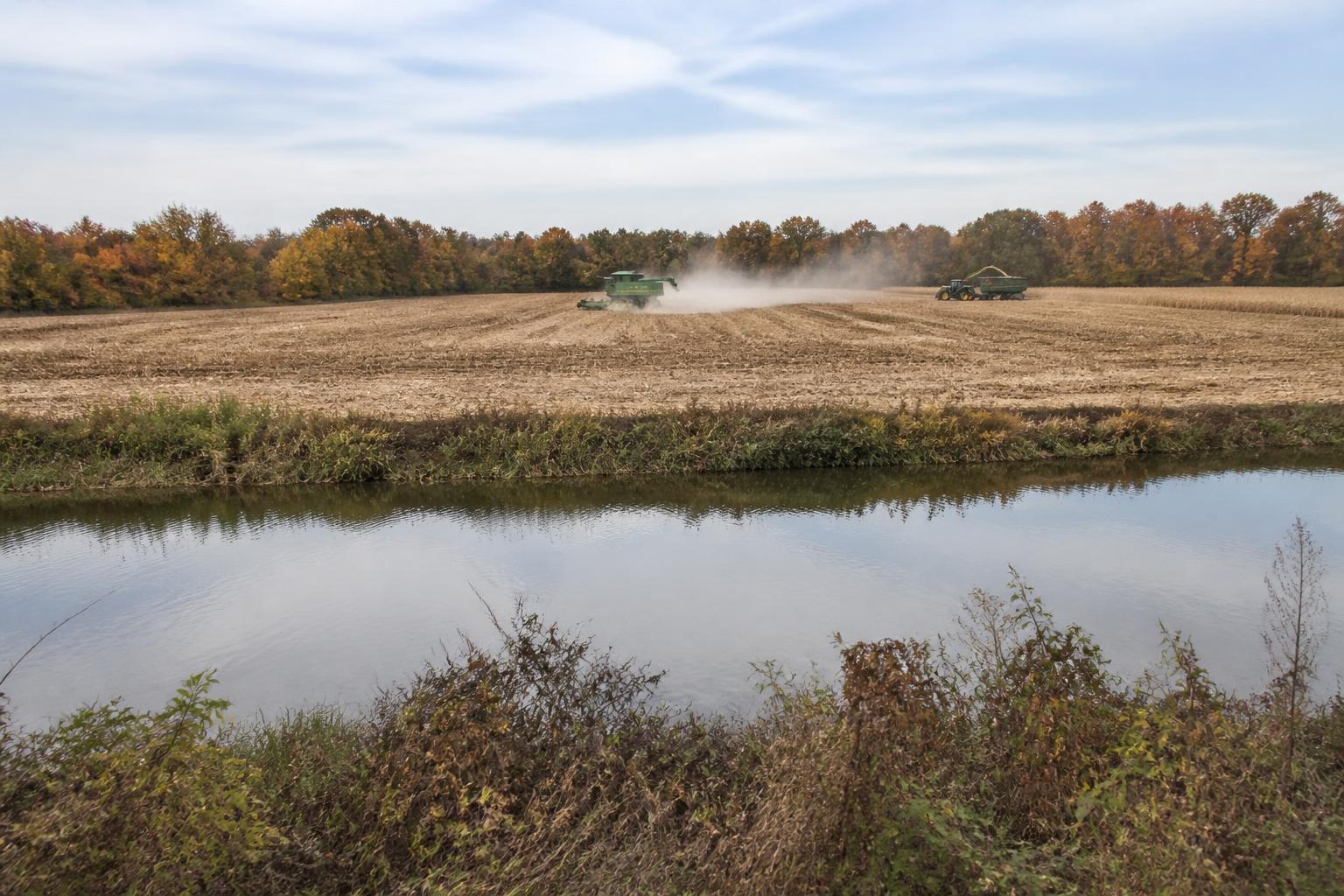
October marks a critical juncture for Mississippi agriculture. As harvest operations move into high gear across the Delta and beyond, producers are navigating a complex landscape defined by fluctuating infrastructure reliability and the persistent need for effective field management. Ensuring that yields are protected from environmental and predatory threats remains a top priority for agribusinesses aiming to maintain stability during this peak season.
Infrastructure Reliability and Freight Flow
The movement of grain from local elevators to regional transit hubs is heavily influenced by the condition of primary logistics networks. As discussed in our look at Mississippi River freight pressures, the reliability of water-borne transport often sets the tone for basis levels and overall market efficiency. For many operators, consistent, low-cost transit is essential, especially when regional harvest volume spikes in October. Maintaining a steady flow requires close coordination between producers and carriers to mitigate bottlenecks that can emerge when river levels shift.
Protecting Crop Quality and Field Integrity
Beyond logistics, safeguarding the crop itself remains a significant challenge. Whether managing variable moisture levels in peanuts or addressing late-season pests like wild hogs, Mississippi farmers continue to implement adaptive protection strategies. As seen in recent efforts toward securing yields during the busy autumn window, proactive management is key to minimizing loss. These on-farm measures are vital for protecting the final marketable volume as fields reach full maturity.
Research and Long-Term Sustainability
As the season progresses, many producers are looking toward future improvements, emphasizing research-driven approaches to land and water management. There is an ongoing dialogue among stakeholders about balancing agricultural productivity with environmental stewardship, particularly regarding water management infrastructure and sustainable farming practices that benefit both the local community and the broader agricultural supply chain.
What it means for the market
For grain handlers and input buyers, the current market climate necessitates a heightened focus on local supply chain resilience. Keeping a close watch on regional transportation corridors and prioritizing investments in pest and crop management will be crucial for navigating the remaining weeks of the fall season. Efficiency at the local level remains the most reliable buffer against broader logistical volatility.
Comments
No comments yet - be the first to share your take.