
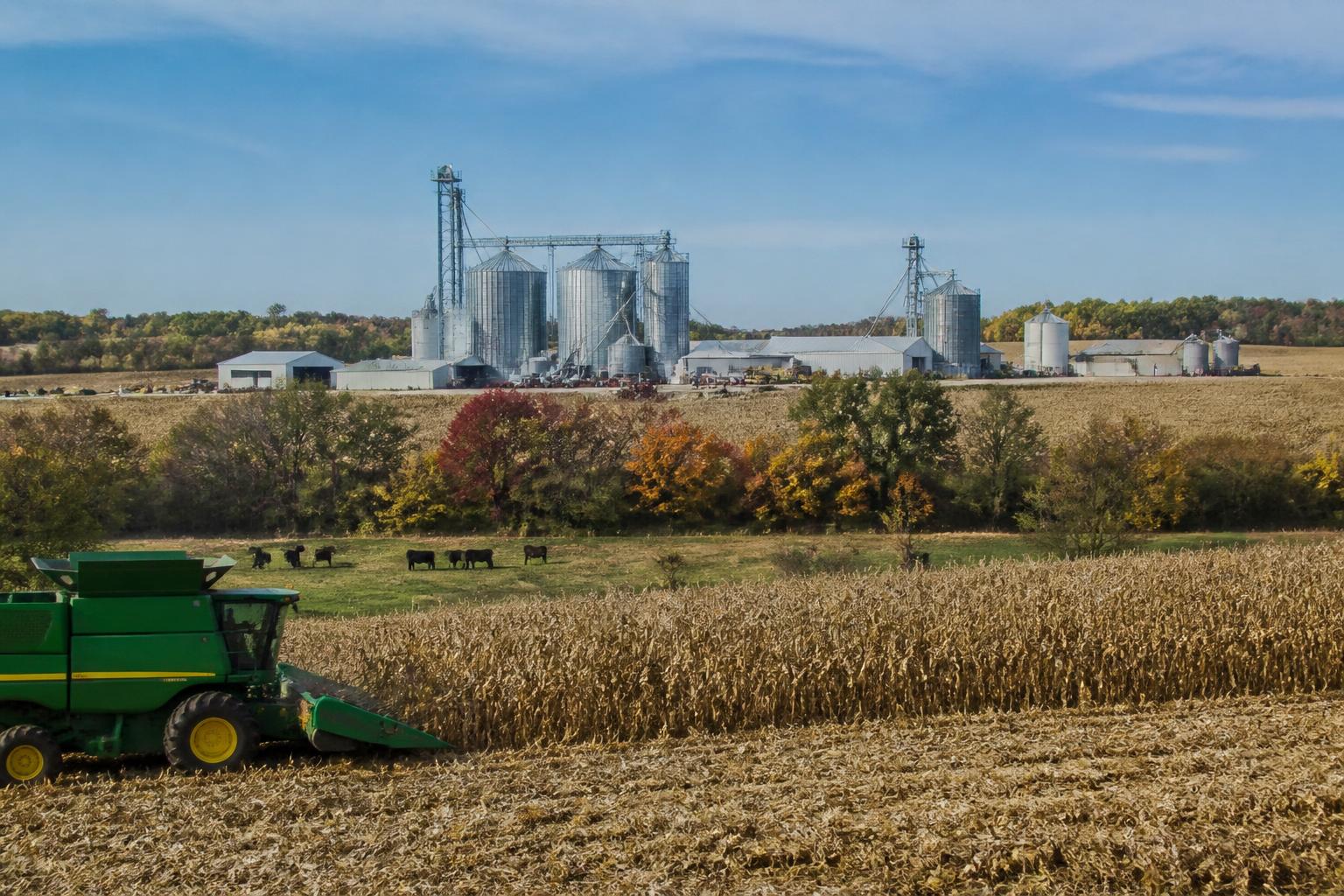
With the fall season in full swing across Minnesota, the focus for many agribusinesses and producers has shifted toward balancing immediate field efficiency with long-term logistical reliability. As farmers manage harvest pressures, the availability of essential inputs, particularly fertilizer, remains a critical component of operational stability.
Recent developments in regional infrastructure, such as new terminal expansions, are aiming to provide producers with more consistent access to supply. These enhancements can play a vital role in smoothing out supply chain fluctuations, especially as operators look toward future seasons and potential shifts in planting requirements. For many, these improvements in efficiency offer a necessary buffer against the logistical challenges that frequently impact the movement of goods across the state's agricultural hubs.
Investing in Long-Term Efficiency
While infrastructure gains are making progress, the broader agricultural economy continues to navigate a complex landscape. Market volatility and external economic factors often place additional stress on farm balance sheets. In this environment, identifying ways to optimize input use and improve logistical throughput is more important than ever for maintaining competitive margins.
Producers are increasingly looking at how localized storage and distribution networks can mitigate the risk of supply disruptions. By leveraging regional terminals, grain handlers and input buyers may find it easier to manage inventory and respond to shifting market demands more effectively than relying on long-distance logistics alone.
Navigating Market Pressures
As the state moves deeper into the harvest cycle, the interplay between supply availability and market pricing remains a central concern for many operators. While improved terminal access offers operational advantages, producers must still contend with the reality of evolving logistical constraints that can influence both the bottom line and seasonal planning. Staying informed about regional transport trends and utilizing local resources effectively can help insulate operations against some of these broader market fluctuations.
What it means for the market
For Minnesota's agricultural sector, the current emphasis on infrastructure reflects a strategic pivot toward resilience. While broad economic conditions remain uncertain, the ability to secure inputs and manage logistics at a local level will likely distinguish the most adaptable operations in the coming months.
Comments
No comments yet - be the first to share your take.