
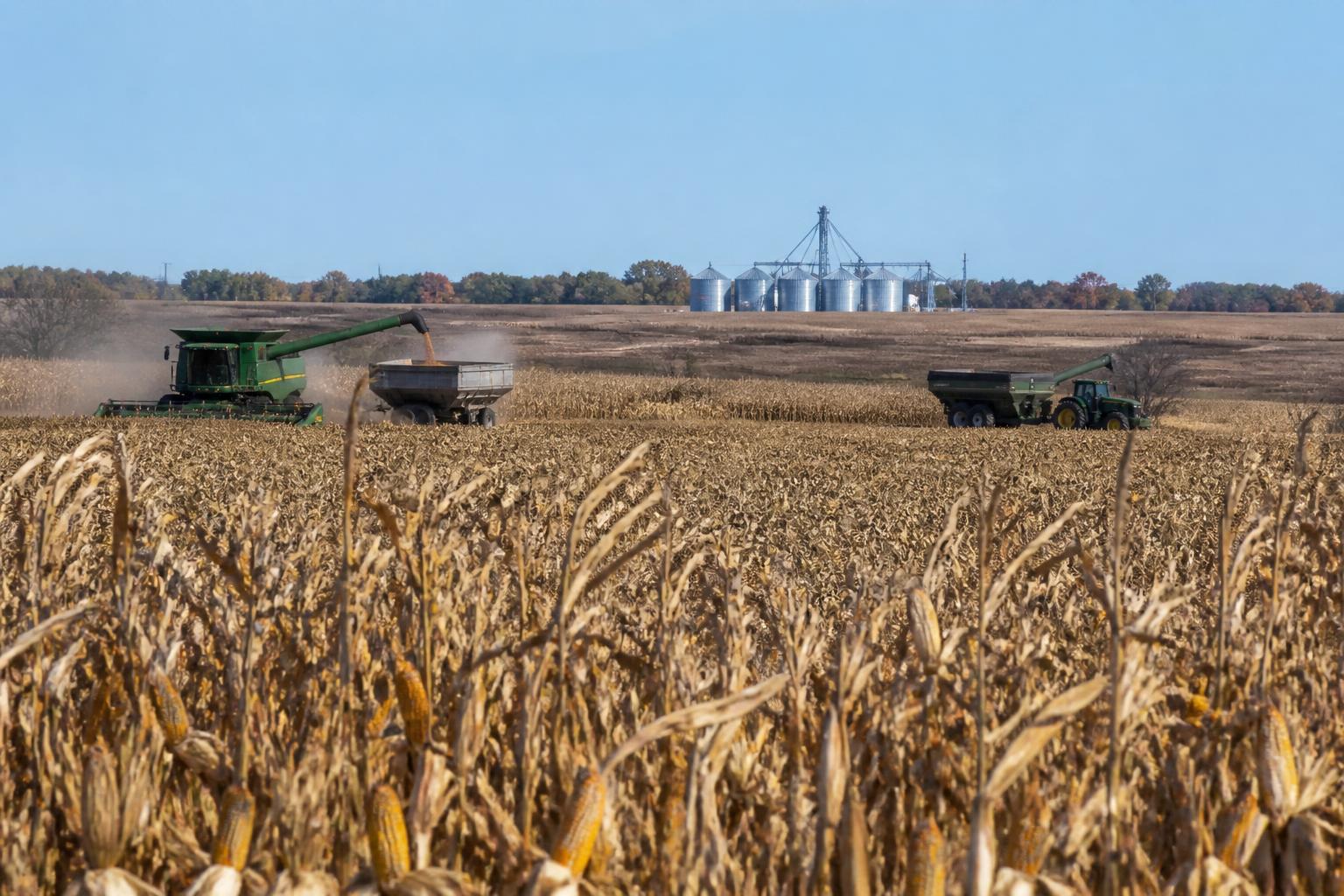
As we move deeper into the fall season, Texas agriculture remains in a state of transition. While regional producers manage field operations amidst evolving challenges, the infrastructure supporting our grain supply chains is seeing significant updates. Strategic expansions, such as those aiming to bolster operations at key Texas Gulf terminals, reflect a broader push to modernize how commodities move from the farm gate to international markets.
For many local elevators and carriers, the timing of these capacity improvements is critical. Efficient movement of grain remains a priority as the industry manages the inherent volatility of global trade. Recent interest from international buyers in U.S. corn and wheat highlights the importance of maintaining fluid logistics across state corridors, particularly as we look to stabilize supply chains during peak harvest throughput.
Infrastructure and Export Capacity
The expansion of Texas infrastructure to streamline export logistics is not just a long-term goal; it is a current necessity. By integrating more robust handling capabilities at the Gulf, regional handlers may be better positioned to capitalize on export demand. These investments help bridge the gap between high-yield production areas and the critical shipping points that facilitate global trade.
Adapting to Operational Realities
Managing the flow of goods requires close coordination between producers and regional grain handlers. As Texas grain buyers and sellers navigate current market conditions, the emphasis is increasingly on precision and efficiency. Whether dealing with shifting acreage trends or logistical hurdles, producers often find that staying connected to real-time market data is the most reliable way to mitigate risks during the busy fall window.
What it means for the market: For Texas agribusinesses, the combination of improved port-side infrastructure and active international interest suggests a focus on logistical readiness. Ensuring that storage and transport capabilities are aligned with these export expansions will be vital for capturing value in the coming months as harvest activity continues to ramp up across the state.
Comments
No comments yet - be the first to share your take.