
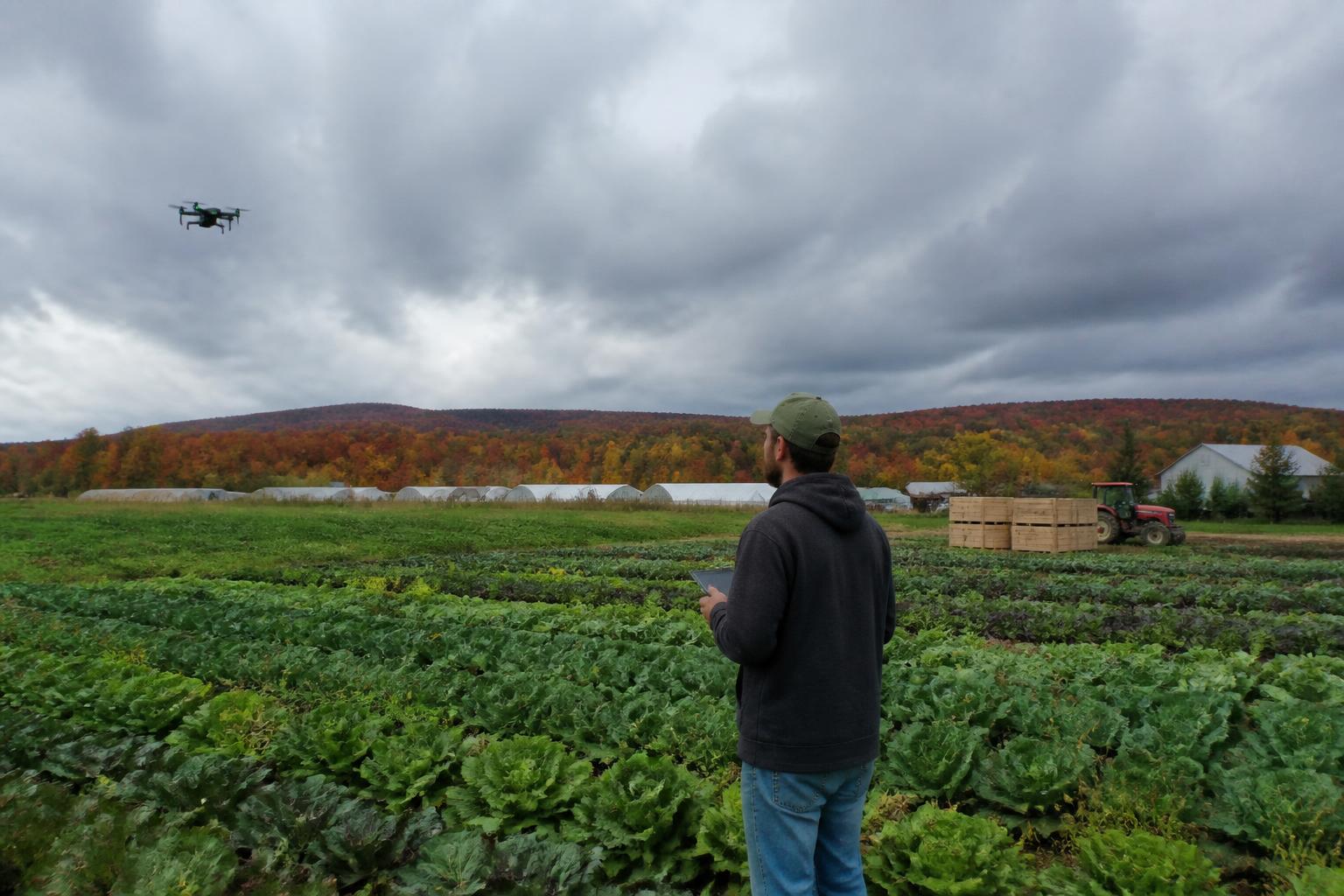
As the Maine agricultural sector pushes through the fall harvest, producers are navigating a challenging environment marked by persistent precipitation. For grain handlers and farmers, the excess moisture has become a significant factor, leading to delays in field work and heightening concerns over crop quality and storage logistics. Ensuring optimal moisture levels before binning has become a daily priority for operations across the state.
These environmental pressures arrive alongside broader industry shifts that are forcing many agribusinesses to rethink their operational efficiency. From managing soil health with targeted cover crop strategies to adopting new monitoring technologies, Maine producers are finding that traditional methods are often being augmented by modern, adaptive tools to offset the unpredictability of the regional climate.
Adapting to Logistical and Environmental Strain
The impact of recent weather patterns extends beyond the field, often complicating transport and local supply chains. With harvest timing shifted, grain elevator managers and logistics providers are coordinating closely to maintain throughput. For those managing seasonal storage, this requires heightened attention to maintaining grain quality, especially when incoming loads arrive with higher-than-average moisture content.
Furthermore, farms are dealing with evolving regulatory landscapes, including ongoing efforts to address environmental concerns like PFAS mitigation. These factors add layers of complexity to farm management, requiring producers to balance immediate harvesting needs with long-term site stability and compliance requirements. For further context, growers can find resources on proactive risk management to better navigate these seasonal uncertainties.
Strategic Investments in Farm Productivity
In response to tighter margins and operational pressures, many producers are evaluating precision investments. Whether it is integrating drone technology to monitor crop health or utilizing specialized tools for selecting cover crops that thrive in Northeast conditions, the focus remains on resiliency. For those interested in regional availability, exploring avenues to buy grain in Maine remains a critical component of sustaining the local supply chain while mitigating the risks of supply disruptions.
What it means for the market
The current volatility in Maine points toward a market that rewards preparedness. As the harvest continues, expect increased competition for drying capacity and a potential narrowing of windows for efficient transport. Producers and handlers who leverage data-driven insights and maintain strict quality control will be better positioned to handle the seasonal pressures that define this year's harvest window.
Comments
No comments yet - be the first to share your take.