
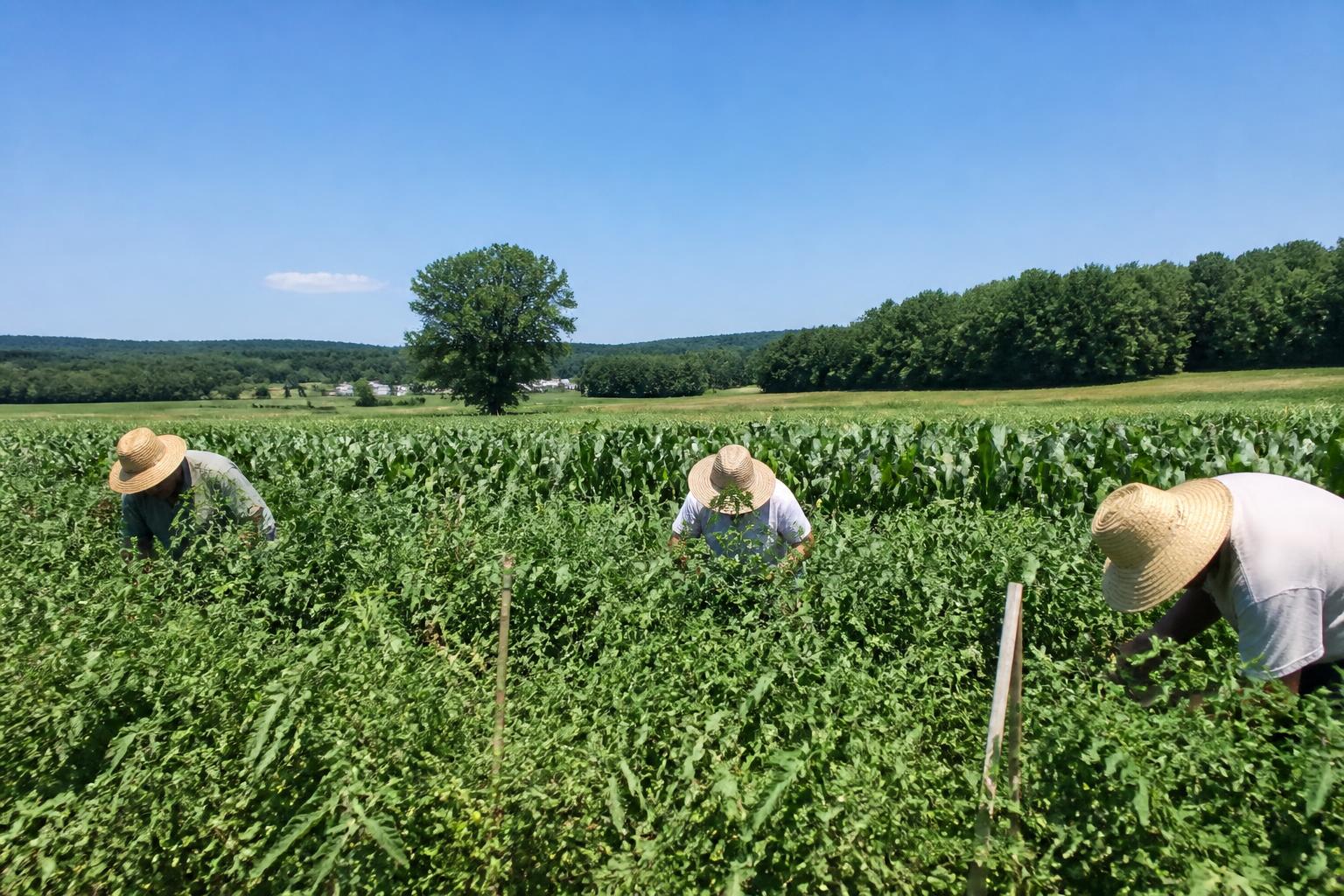
As summer settles across the Connecticut River Valley and the rolling hills of Litchfield County, local agricultural producers are actively managing a complex array of operational risks. In an era marked by increasingly volatile weather patterns and shifting economic pressures, crop and farm protection has transitioned from a seasonal chore to a year-round strategic necessity for Connecticut growers.
From specialty crop producers in Hartford County to dairy and livestock operations across the state, navigating the gaps in traditional safety nets requires a mix of federal aid, state-level tax protections, and proactive crop management strategies.
Navigating Climate Volatility and Relief Gaps
Connecticut growers have faced intense climate-driven disruptions in recent seasons, including severe flooding and unpredictable temperature swings. Because federal disaster relief distribution can sometimes face long administrative delays, farmers often find themselves vulnerable during the critical summer growing window. To hedge against these delays, many producers are turning to localized protection programs and diversified crop insurance options to maintain financial liquidity.
For those looking to optimize their risk management plans this season, reviewing the Connecticut summer grain and feed outlook can provide valuable insights into how local support systems are helping to bridge these critical coverage gaps.
State-Level Tax Protections and Policy Relief
Financial protection for Connecticut agriculture recently received a significant boost through state legislative channels. Responding to pressure from the local agricultural community, Governor Ned Lamont took steps to protect farms from looming tax increases, signing key legislation designed to support growth and ease the tax burden on working lands. This fiscal shield allows growers to reinvest capital back into physical farm protection, such as high tunnels, improved drainage systems, and advanced pest management technologies.
Additionally, the Connecticut Department of Agriculture (DoAg) continues to allocate resources through Farm Viability Grants and Specialty Crop Block Grants. These funds are increasingly targeted toward projects that enhance the climate resilience and market competitiveness of the state-wide diverse specialty crops, which represent a vital sector of the local agricultural economy.
Long-Term Security Through Farmland Preservation
Protecting the physical land base is another critical piece of Connecticut-specific agricultural safety nets. The state recently celebrated a major milestone by securing over 50,000 acres of preserved farmland. This collaborative effort, supported by the state, local land trusts, and organizations like the Northwest Connecticut Land Conservancy, ensures that prime agricultural soils remain permanently available for future production.
By protecting agricultural acreage from commercial development, the state helps stabilize local land markets. This preservation, combined with new state reports analyzing farmland access and ownership, aims to help first-generation and expanding farmers secure the stable acreage needed to build viable, climate-resilient operations.
Key Takeaways for Connecticut Growers
- Proactive Risk Management: Federal relief delays mean CT growers must rely more heavily on state-level viability grants and localized insurance buffers to protect summer cash flow.
- Policy Shields: Recent state legislative action has successfully averted tax hikes on agricultural operations, providing direct financial relief.
- Resource Allocation: Specialty crop grants remain a prime avenue for funding modern crop protection equipment and climate-resilient infrastructure.
What it means for the market
For Connecticut agribusinesses, input buyers, and carriers, the emphasis on local policy protections and farmland preservation indicates a stabilizing agricultural sector despite climate pressures. Producers who leverage state tax relief and crop viability grants will be better positioned to invest in advanced crop protection inputs and resilient infrastructure. Expect local markets to prioritize diversified risk management strategies as growers navigate the remaining summer months, keeping a close eye on state-backed funding cycles to buffer against federal legislative delays.
Comments
No comments yet — be the first to share your take.