
Navigating Potential Logistics Hurdles
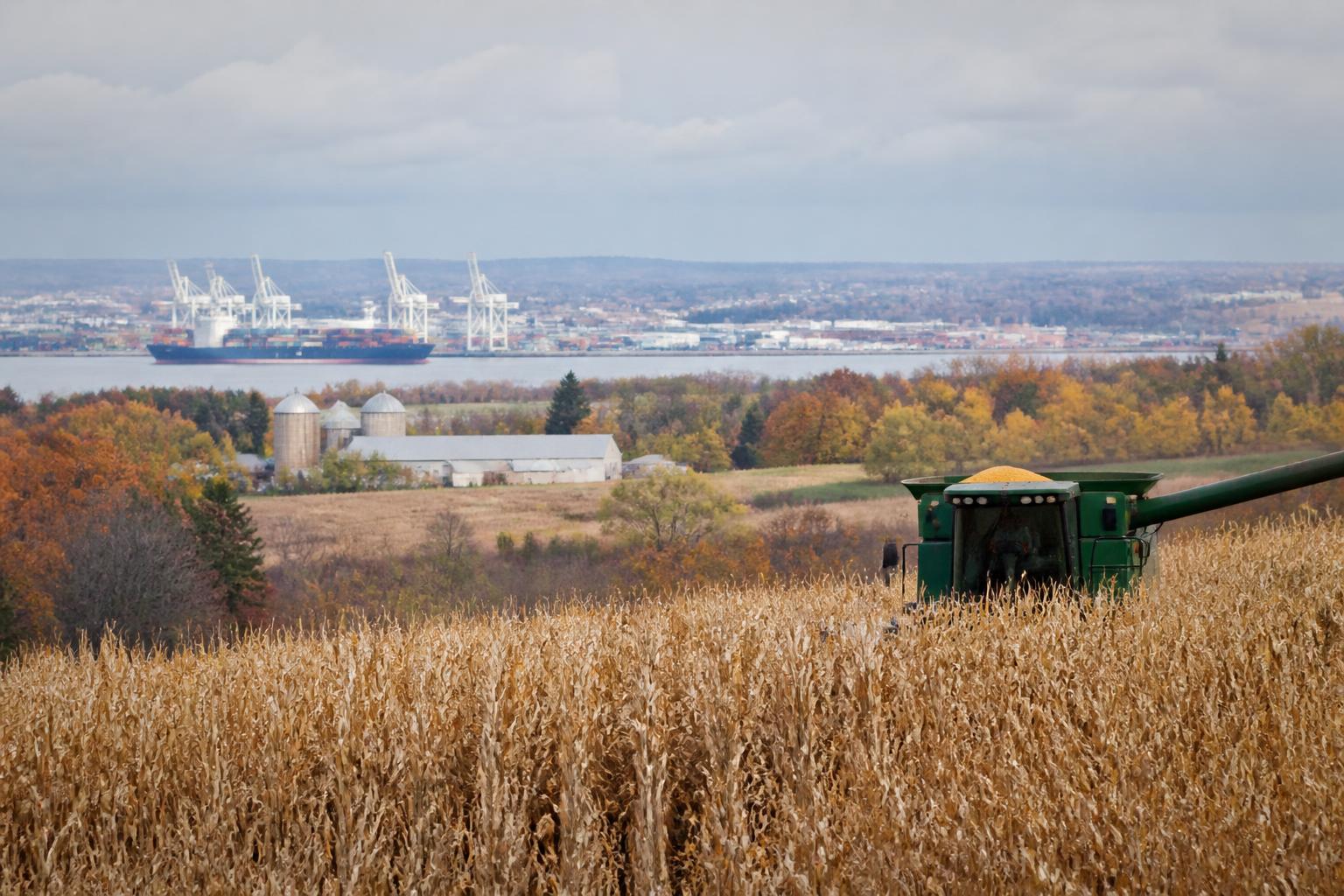
As Florida growers move through the fall season, the agricultural community is increasingly focused on the reliability of shipping lanes. Recent reports of potential labor actions at key U.S. ports have created a sense of caution among exporters and local retailers. For Florida producers, any disruption to the movement of goods can complicate the already delicate balance of incoming inputs and outgoing seasonal harvests.
The current logistics environment requires a proactive approach to supply chain management. When uncertainties arise in port operations, lead times for critical materials often fluctuate. Keeping a close watch on regional transportation corridors and port capacity can help agribusinesses adjust their inventory strategies to avoid mid-season bottlenecks. For more insights on how these broader trends affect regional operations, see our recent analysis on navigating global pressures and seasonal logistics in Florida.
Input Costs and Market Performance
Beyond logistics, producers continue to evaluate the financial landscape of their operations. Recent market observations indicate that while many farmers have managed through a challenging year, input suppliers have seen divergent financial results. Understanding these dynamics is essential for planning future crop cycles and managing overhead, especially as growers continue strategic shifts in Florida crop protection markets to optimize their bottom line.
What it means for the market
The convergence of potential port labor challenges and the varying economic realities for input companies suggests that Florida agribusinesses should prioritize flexibility. By securing essential supplies early and maintaining close communication with logistics partners, farmers and handlers can better insulate their operations from sudden market or supply chain volatility during this critical time of year.
Comments
No comments yet - be the first to share your take.