
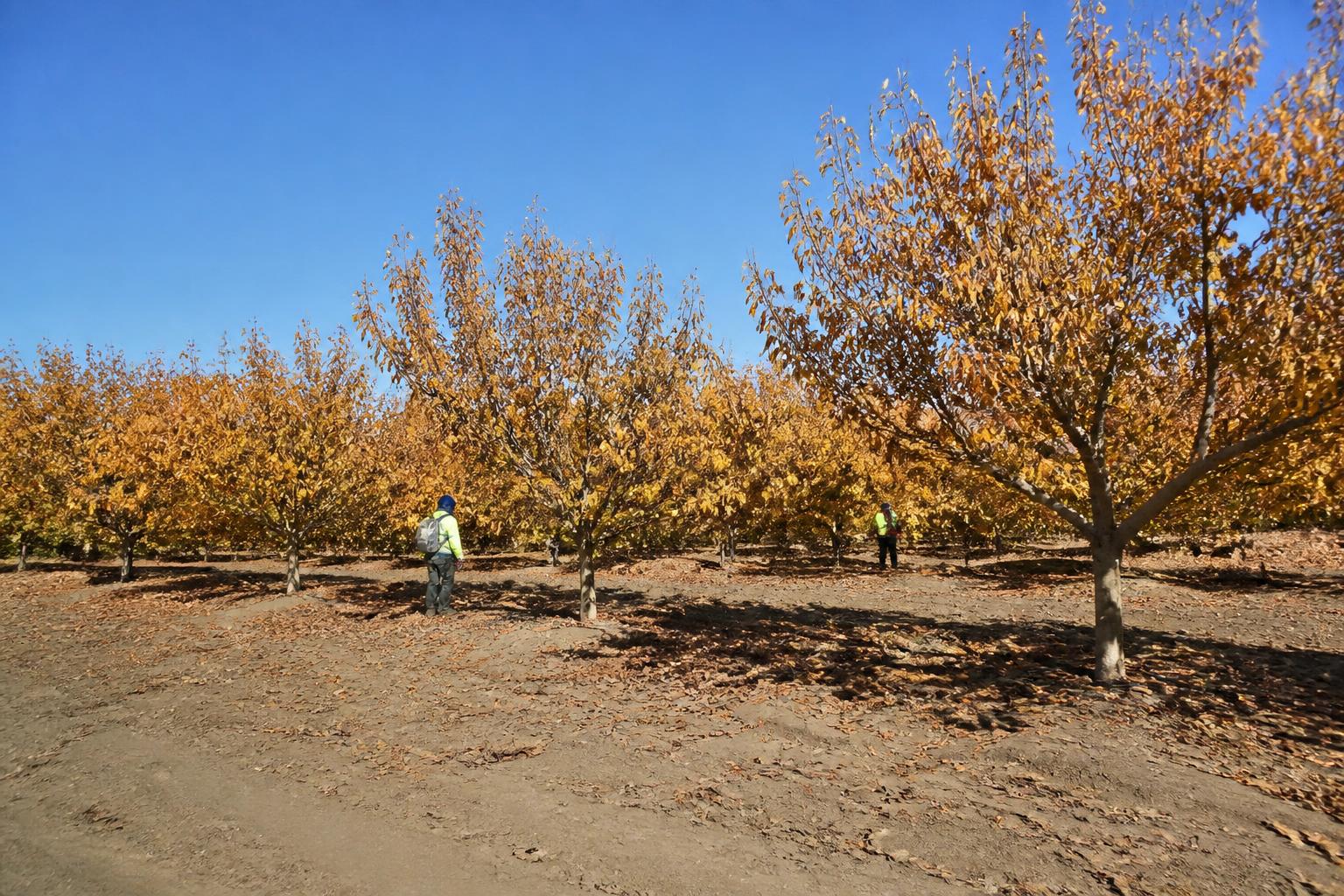
As California enters the peak of the fall season, producers across the state are carefully monitoring the fertilizer market, which continues to show mixed price signals. For agribusinesses and farmers alike, the ability to balance crop nutrition requirements with rising operational overhead remains a significant hurdle. Whether managing tree nuts in the Central Valley or row crops in northern regions, the need for cost-efficient nutrient management has never been more pressing.
Understanding these market variables is essential for those looking to maintain margins. Recent industry insights indicate that navigating fall fertilizer and market pressures requires a disciplined approach, especially as producers consider the trade-offs between different application methods. Choosing between fertigation and traditional foliar sprays can often hinge on specific soil conditions and water availability, a common logistical consideration for California operations.
Adapting Nutrition Strategies in a Volatile Environment
The cost of production is under increased scrutiny, particularly within the citrus sector where margins are feeling the squeeze. Farmers are increasingly exploring ways to optimize their input spend, moving toward more precision-based application strategies. Effective soil and crop management often requires integrating new technologies that can help stabilize yields without unnecessary over-application, a balance that is crucial during periods of market fluctuation.
Furthermore, growers should stay informed on broader trends in California crop outlooks to better predict potential acreage shifts that could influence regional demand for specific fertilizer blends. By staying ahead of these trends, farm managers can better position their operations to absorb potential price shocks.
What it means for the market
The current volatility in input markets underscores the necessity for proactive supply chain planning. As we move through October, growers should maintain close communication with local suppliers to secure supplies before the late-fall application window closes. Efficient resource allocation remains the most effective tool in the kit for California farmers looking to sustain profitability in an increasingly complex regulatory and economic landscape, particularly as industry experts analyze how broader California agricultural policy may shape the future of the sector.
Comments
No comments yet - be the first to share your take.