
Aligning Nutrient Management with Seasonal Demands
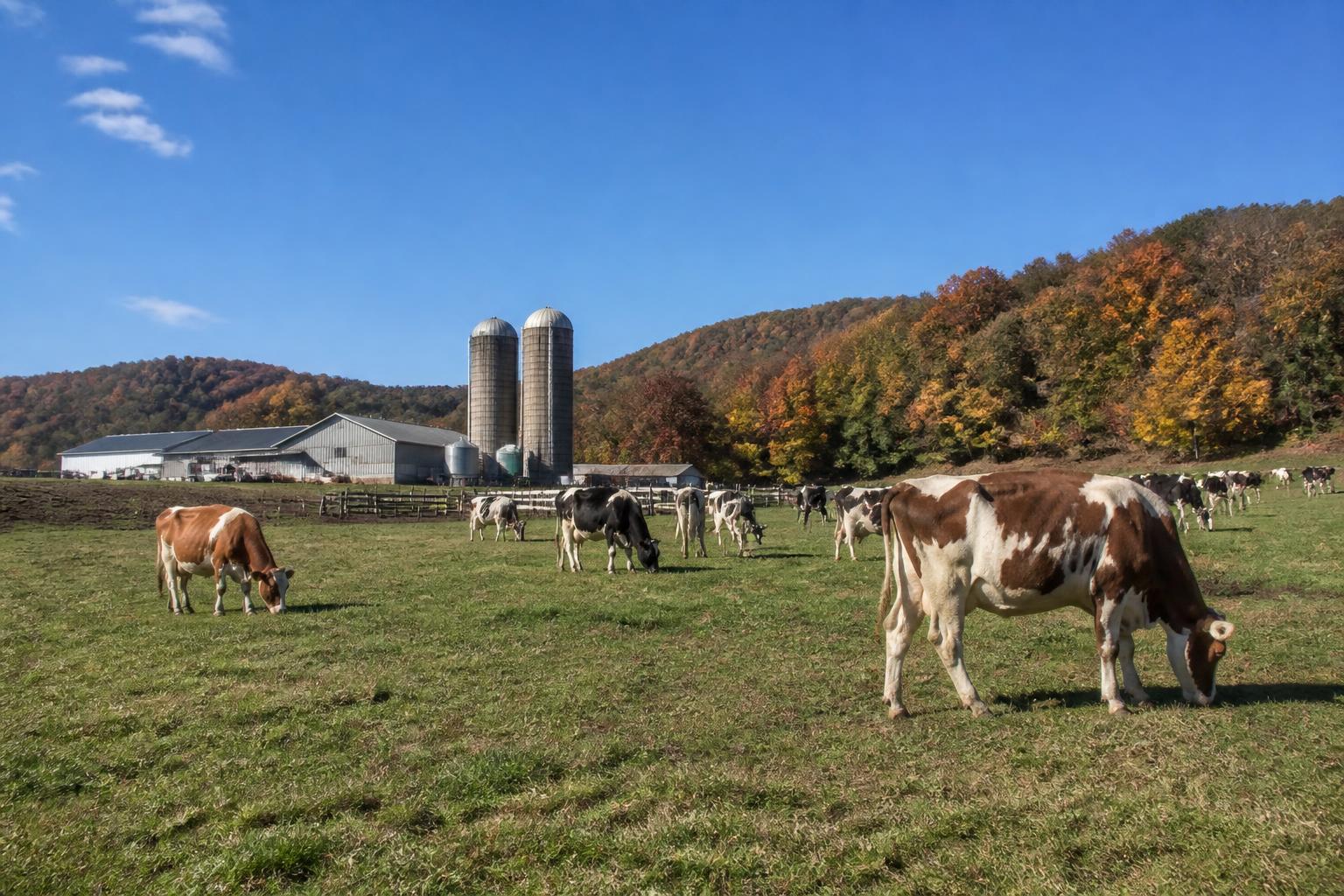
As Vermont transitions deeper into the fall season, local dairy producers are balancing the immediate pressures of land management with the long-term realities of agricultural policy. With fields transitioning after the harvest, ensuring compliance with nutrient management mandates remains a priority for operators across the state. These protocols often require meticulous record-keeping and precise application timing, particularly as farmers prepare for the onset of winter conditions. Managing these requirements effectively is key to maintaining operational sustainability while protecting local soil and water health.
Navigating Market Volatility and Support Programs
The economic landscape remains top-of-mind for many regional producers. Recently, discussions around the importance of a national agricultural policy have highlighted the challenges farmers face regarding price stability and input costs. For those looking to buffer their operations against unpredictable market shifts, proactive engagement with financial tools is essential. Enrollment in protective initiatives remains a critical step for many, and producers are encouraged to stay informed on regional deadlines to ensure they secure necessary coverage for the coming year.
Infrastructure and Growth
Beyond immediate policy concerns, investments in regional infrastructure continue to provide a foundation for long-term viability. Recent funding initiatives, such as grants aimed at bolstering farm and forest operations, are helping some Vermont dairy farms modernize their facilities and improve operational resilience. Understanding how to leverage these resources—along with learning how Vermont agricultural resilience efforts can shield businesses from volatility—remains a cornerstone of successful farm management in the current climate.
What it means for the market
For Vermont farmers and agribusinesses, the current focus is on a combination of regulatory compliance and financial planning. As the season turns toward winter, the focus shifts from field-level output to ensuring that business structures and nutrient plans are fully optimized. Staying proactive with program enrollment and utilizing available grant support can help stabilize the bottom line in an increasingly complex and interconnected agricultural market.
Comments
No comments yet - be the first to share your take.