
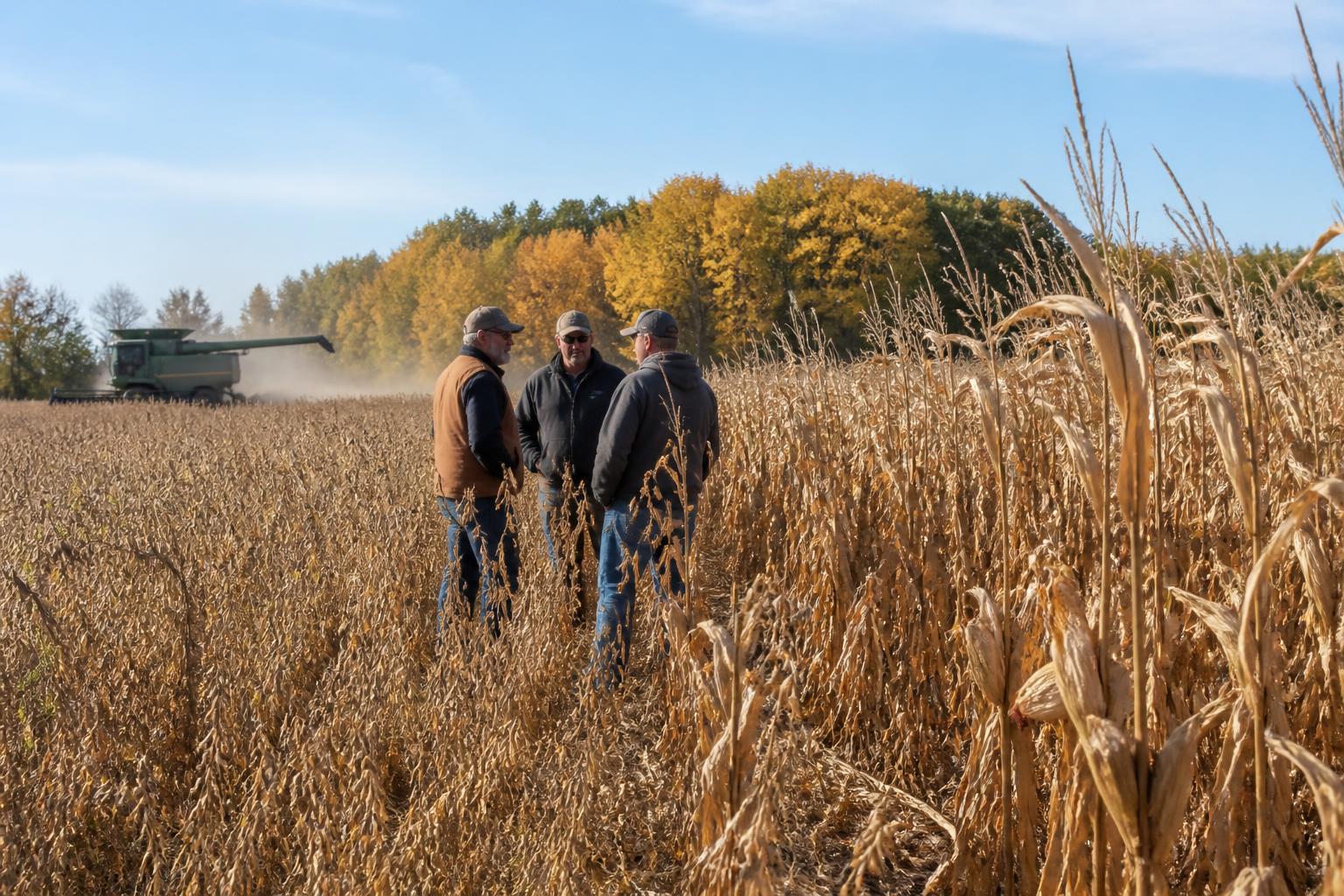
With the fall harvest season in full swing across the plains, North Dakota growers are navigating the typical intersection of peak logistics demand and the need for rigorous financial management. As grain begins moving through major corridors to regional elevators and processors, the pressure on farm operations often intensifies, making this a pivotal window for reviewing input costs and transportation strategies.
For many producers, the current season serves as a reminder that operational efficiency is as critical as yield. While infrastructure projects, such as pipeline expansions, continue to shape the state's logistical landscape, individual farm-level management remains the first line of defense against fluctuating overhead. Whether it is optimizing grain hauling routes to accommodate regional elevator schedules or evaluating the cost-benefit of on-farm storage versus immediate delivery, careful record-keeping and proactive planning remain essential tools for navigating the volatility inherent in modern North Dakota grain logistics.
Prioritizing Fuel and Input Efficiency
The state has previously faced challenges regarding fuel availability, which highlights the ongoing importance of maintaining reliable supply lines for essential commodities like diesel. Ensuring that fuel storage levels are monitored and that procurement strategies are locked in early can help mitigate the impact of sudden price spikes or local shortages. Growers may find that aligning with local cooperatives and leveraging regional transport assistance programs helps stabilize these critical input flows during the busiest weeks of the harvest.
Strategic Financial Planning
Beyond the immediate logistics of moving grain, the fall season represents a primary time to audit seasonal expenditures. As harvest income starts to solidify, taking a hard look at balance sheets allows for better decision-making regarding next season's inputs. Assessing the performance of this year's crop against the costs of logistics and management inputs can inform more resilient strategies for the coming fiscal year.
What it means for the market
For North Dakota agribusinesses and grain handlers, the focus remains on keeping the supply chain fluid despite the high volume of traffic. For producers, the market environment rewards those who can maintain steady operations while minimizing the cost leakage associated with emergency fuel purchases or inefficient transportation. A disciplined approach to farm expense management this month will likely be a key differentiator in overall profitability for the year.
Comments
No comments yet - be the first to share your take.