
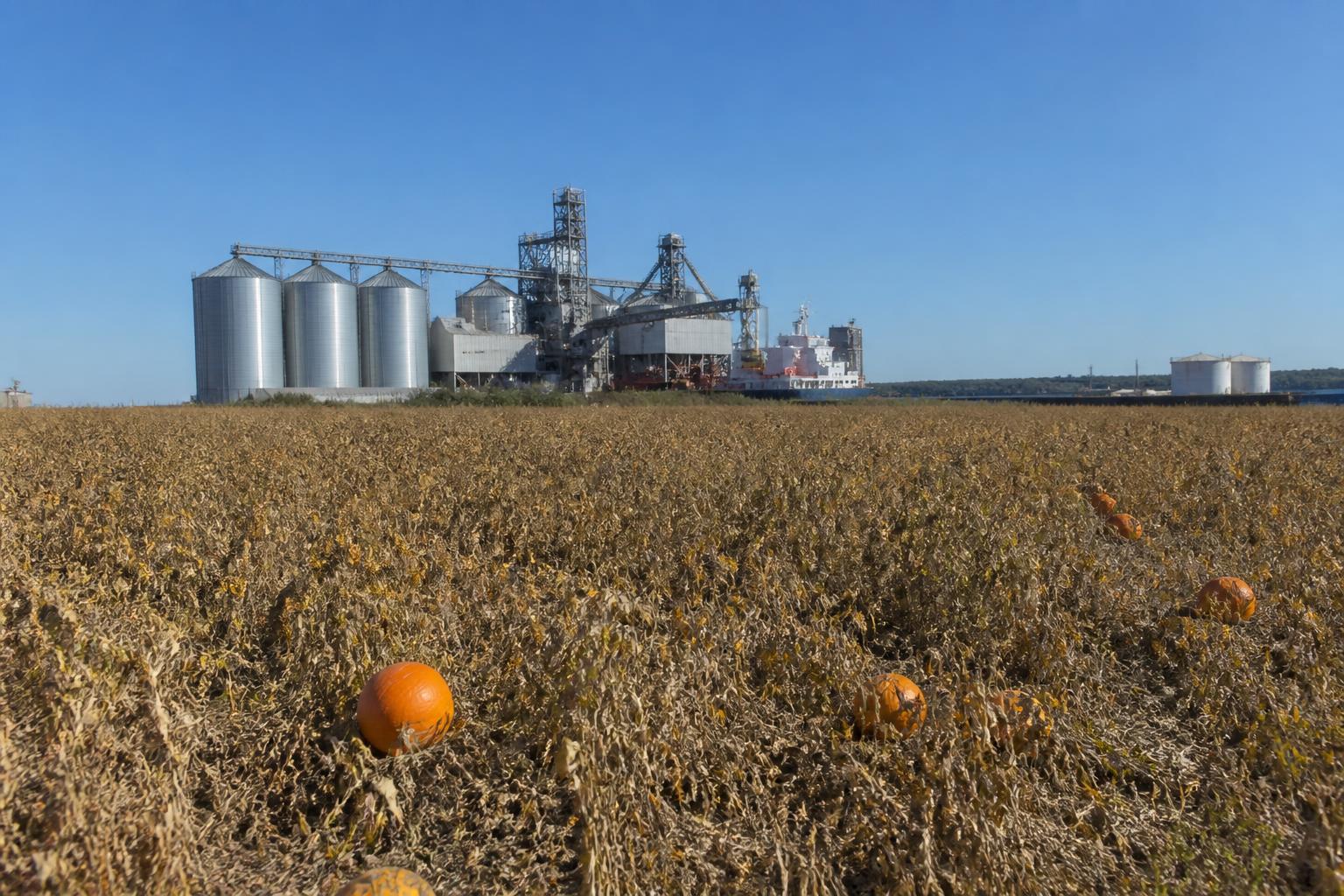
As the fall harvest progresses across Wisconsin, producers are navigating a period of significant structural change in the state's agricultural supply chain. While immediate market pressures persist, recent capital investments are beginning to redefine how local grain flows from the field to the global market.
Expanding Processing and Export Capacity
Strategic infrastructure projects are currently underway that may fundamentally alter regional logistics. Notably, large-scale plans for new soybean crush capacity are intended to boost processing volumes by a significant margin. Such developments are often welcomed by growers looking to reduce transit times and mitigate exposure to long-haul transportation volatility. Furthermore, the activation of new export facilities at Port Milwaukee provides a critical maritime gateway, potentially easing the bottlenecking that can occur during the peak of the fall movement.
Navigating Market Pressures
These long-term logistical improvements arrive at a time when farm revenue has faced downward pressure due to cooling commodity prices. Many producers are balancing the necessity of efficient harvest logistics with the broader economic challenges facing the Upper Midwest. For those managing grain elevators or transport fleets, the ability to pivot between regional processing hubs and export-oriented terminals may offer a competitive edge in an environment where margins are increasingly thin. For more on how these fluctuations affect your bottom line, consider our recent analysis on navigating late-season market pressures.
Strategic Planning for Producers
As growers assess their options for the remainder of the season, understanding the integration of new facilities into local supply chains is key. Whether dealing with regional elevators or direct-to-processor deliveries, shifts in infrastructure can alter typical hauling routes and delivery windows. Producers may also find value in coordinating with local logistics providers to optimize storage and transport schedules, especially as regional drought conditions continue to impact soil moisture levels and final yield outcomes. Learn more about balancing these operational demands in our overview of balancing harvest logistics and seasonal protection.
What it means for the market
The convergence of expanded processing capacity and improved export logistics suggests a trend toward greater local control over grain movement. For Wisconsin agribusinesses and farmers, this shift emphasizes the importance of proximity to high-capacity transit points. While global market volatility remains a concern, localized infrastructure growth may offer a hedge against broader supply chain disruptions, allowing for more stable, if still challenging, regional marketing conditions throughout the remainder of the year.
Comments
No comments yet - be the first to share your take.