
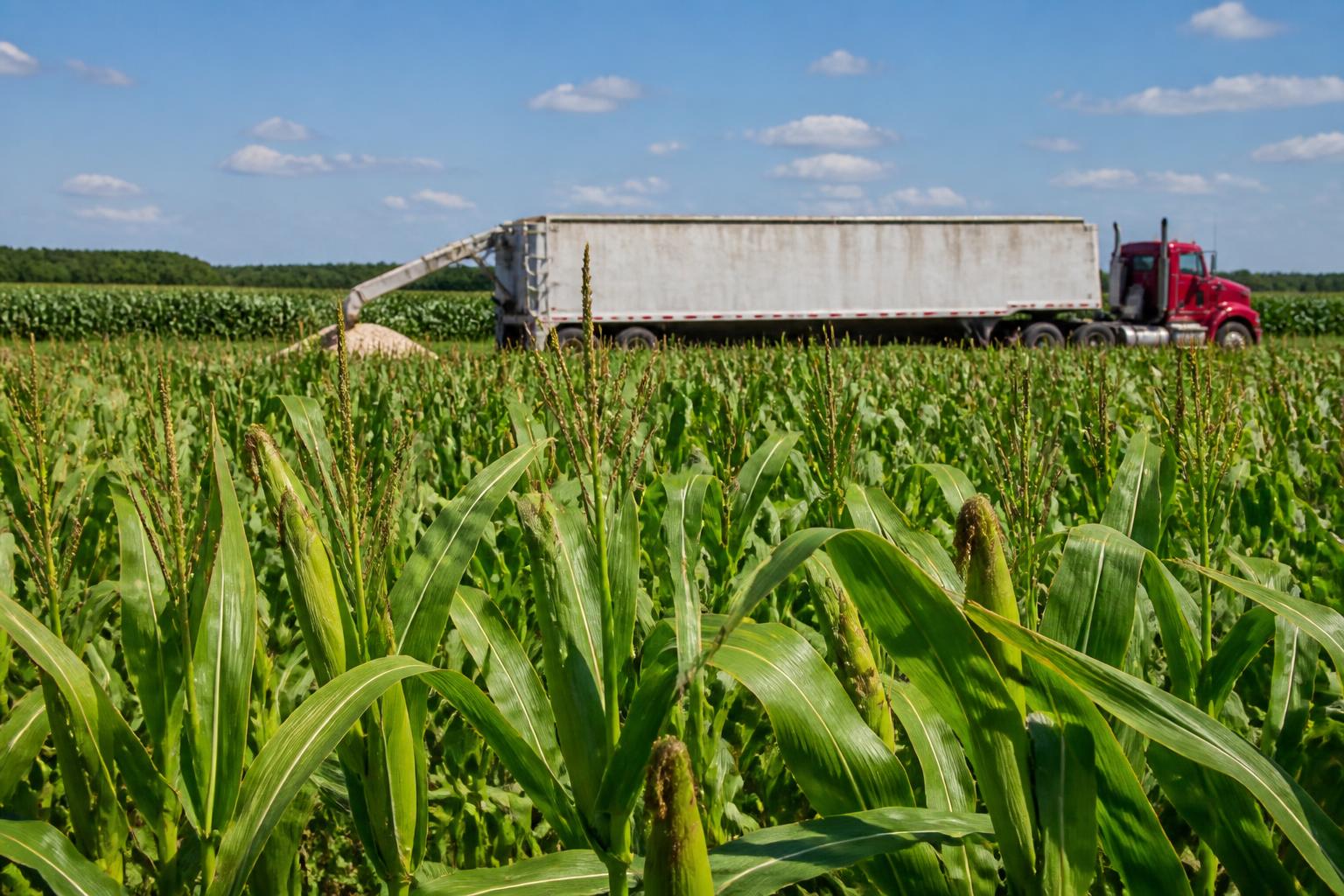
As summer gets underway in Michigan, grain handlers and producers are observing major shifts in the state's storage infrastructure and logistics landscape. Strategic expansions in storage capacity, coupled with debates over regional shipping weight regulations, are direct responses to the state's growing role in both domestic supply and international exports.
Historic Storage Upgrades and Shipping Milestones
A significant development for the local grain trade is Michigan Agricultural Commodities (MAC) executing the largest storage capacity addition in its history, injecting an extra 4.5 million bushels of capacity. This massive expansion helps mitigate regional bottleneck risks during peak seasonal crop movements, giving elevators and local growers more flexibility when delivering grain.
On the marketing and export side, cooperative networks continue to excel. The state recently named Cooperative Elevator Co. as its 2025 Agriculture Exporter of the Year, highlighting the strong global demand for Michigan-grown commodities and the efficiency of local logistics infrastructure. For growers, keeping a pulse on local basis levels and shipping windows remains crucial, especially when adapting to broader Michigan summer grain strategy adjustments.
Transport Infrastructure and Weight Allowances under Scrutiny
Trucking remains the lifeblood of Michigan's grain distribution network. In West Michigan, agribusinesses like Zeeland Farm Services (ZFS) are actively pushing to maintain higher truck weight limits, which are essential for moving bulk agricultural commodities efficiently across state corridors. Any changes to weight allowances could significantly impact the freight rates paid by grain elevators and farms, altering the economics of moving grain to processing facilities and ports.
Balancing Agronomic Inputs and Yield Risks
As farmers manage their summer corn crops, economic pressures have made nutrient management a primary focus. High fertilizer prices have pushed growers to carefully re-evaluate their nitrogen application rates to find the economic optimum. This delicate balance between crop nutrition and cost management coincides with ongoing efforts to protect yields from costly corn diseases, which studies indicate have historically caused billions in losses across the U.S. corn belt, including notable impacts in Michigan.
Growers can find additional context on managing these input dynamics in our recent Michigan fertilizer supply chain analysis.
What it means for the market
The combination of massive local storage additions and high-performing export cooperatives gives Michigan grain producers more leverage in marketing their crops. However, the profitability of the summer season depends heavily on preserving efficient transport lanes and balancing high input costs against disease prevention. As logistics and agronomic tools adapt, grain managers who optimize their local delivery points and logistics partnerships will be best positioned to capture premium bids.
Comments
No comments yet — be the first to share your take.