
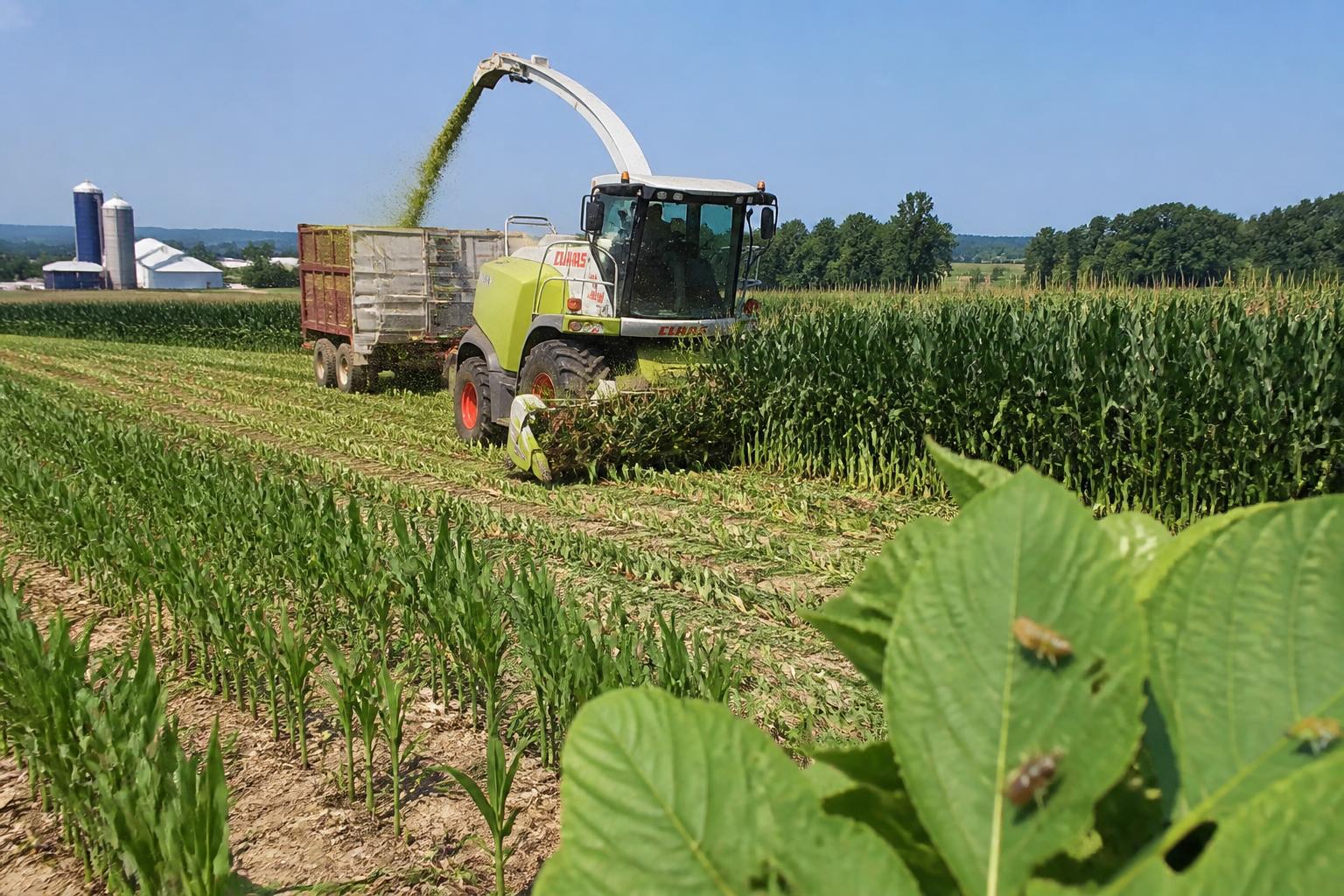
As Wisconsin growers push through the busy summer season, the state's grain market is adapting to a series of logistical expansions, cooperative realignments, and shifting agronomic practices. From new deep-water shipping capabilities in the south to consolidation among local elevators, Badger State grain handlers are finding new ways to streamline the journey from field to market.
Expanding Infrastructure and Changing Cooperatives
A key development for Wisconsin's agricultural pipeline is the growing reliance on robust shipping networks. The Port of Milwaukee's export facility highlights this trend, offering regional growers a direct channel to international markets. However, the success of this facility depends heavily on the regional trucking sector to move grain from rural elevators to the water. As detailed in our review of Wisconsin ag transport and summer freight demands, maintaining a fluid flow of trucks remains a critical factor during periods of peak seasonal activity.
At the same time, the state's internal grain handling network is consolidating. United Cooperative recently acquired four Archer Daniels Midland (ADM) locations across Wisconsin, a structural shift that could impact local grain bidding, storage options, and marketing strategies for regional producers. These mergers reflect a broader national trend of cooperatives expanding their footprints to improve efficiency in volatile markets.
Agronomics: Fertilizer Research and Pest Pressures
Managing input costs and protecting yield potential are top of mind for growers this season. High fertilizer prices and environmental concerns have driven interest in innovative crop research. For instance, ongoing studies into tropical corn varieties could eventually help growers reduce their overall fertilizer dependence, offering a potential path to lower input costs in future planting cycles. This research comes at a pivotal time as the Wisconsin grain market navigates summer shifts, forcing producers to look for any agronomic edge to protect their profit margins.
On the pest front, Wisconsin farmers are keeping a close watch on emerging threats. Invasive species, including the brown marmorated stink bug, are moving beyond residential areas and threatening a variety of crops. Farmers are urged to monitor field borders closely to prevent localized yield loss as summer temperatures peak.
Key Takeaways for Wisconsin Producers
- Logistics Expansion: Enhanced export capabilities at the Port of Milwaukee emphasize the ongoing need for reliable local trucking to bridge the gap between farms and global shipping lanes.
- Cooperative Shift: United Cooperative's acquisition of local ADM sites reshapes local grain-buying competition and service availability.
- Input Innovations: Long-term research into tropical corn may provide future relief from high fertilizer requirements, though immediate focus remains on active pest monitoring.
What it means for the market
The combination of structural consolidation, new maritime export pathways, and evolving agronomic challenges means Wisconsin grain producers must stay agile. While infrastructural additions at the Port of Milwaukee offer positive long-term prospects for local basis levels, near-term profitability will rely on navigating freight logistics and minimizing input and pest pressures during the critical summer months.
Comments
No comments yet - be the first to share your take.