
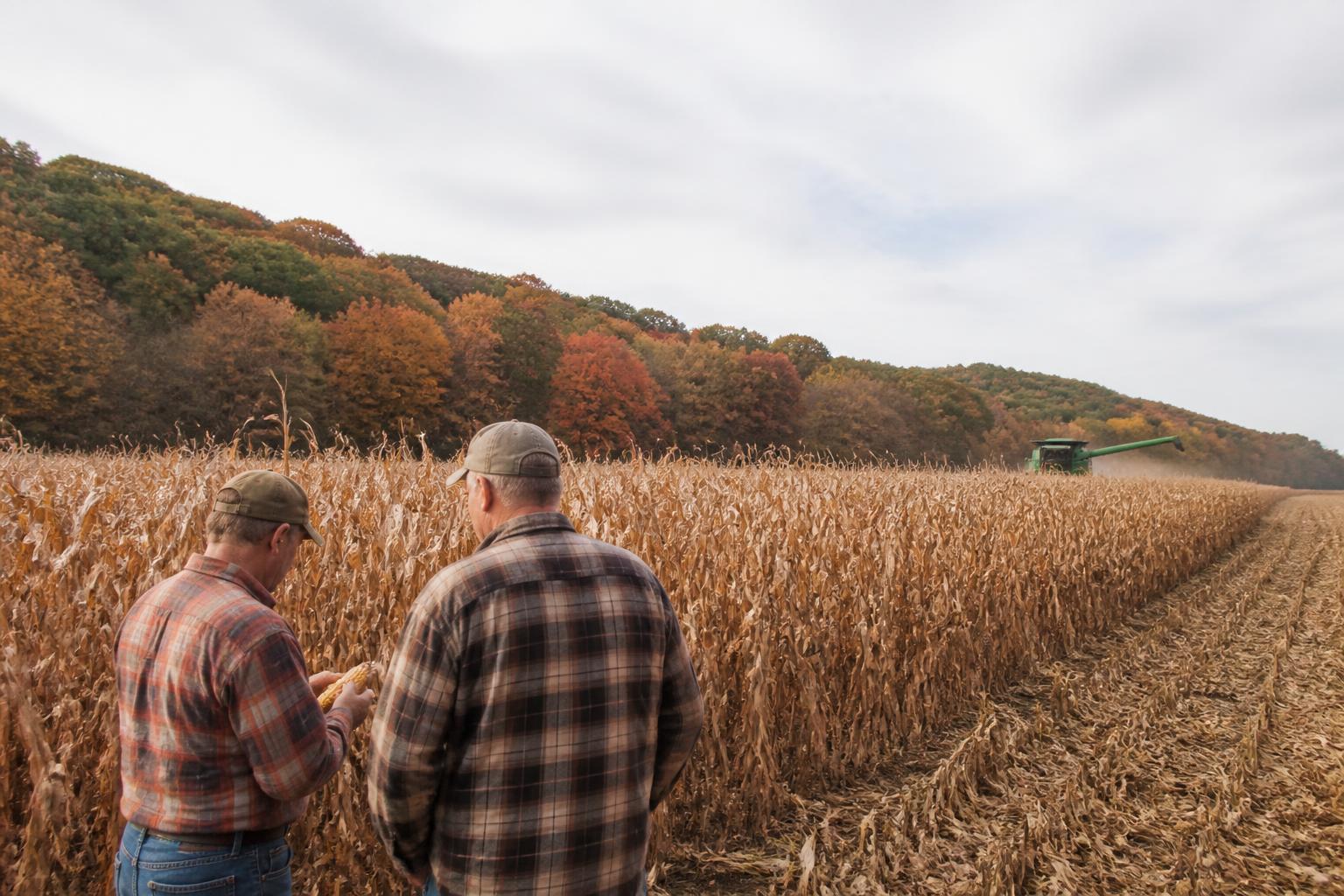
The agricultural landscape in Pennsylvania remains in a state of transition as producers navigate the intersection of seasonal field management and broader economic adjustments. With harvest activities intensifying across the state's diverse crop regions, the demand for timely input assessment is high. Farmers are increasingly focused on optimizing their nutrient management strategies to align with both soil health objectives and tighter operational budgets.
Amidst these shifting market pressures, many Pennsylvania operations are re-evaluating their long-term supply chain partnerships. Whether operating in the rolling fields of the southeastern counties or managing livestock-integrated acres, growers are prioritizing efficiency. For many, this includes staying informed on how regional fertilizer market volatility influences their bottom line as they prepare fields for the upcoming cycle.
Adapting to Input Cost Pressures
Managing overhead remains a central concern for local agribusinesses. Fluctuations in input pricing often necessitate a more calculated approach to procurement. Producers are looking closely at the timing of their purchases, weighing the benefits of early booking against the necessity of maintaining cash flow during the peak autumn season. By leveraging local network insights and keeping a pulse on regional inventory levels, operators can often mitigate the impact of sudden market shifts.
Sustainability and Long-Term Efficiency
Beyond immediate input needs, there is a clear trend toward integrating sustainable practices into standard field operations. From precision application techniques to the exploration of carbon credit programs, Pennsylvania farmers are demonstrating a commitment to land longevity. These strategies not only support regulatory compliance but also serve as a potential hedge against fluctuating chemical and fertilizer costs by improving nutrient uptake and reducing waste.
What it means for the market
For Pennsylvania grain handlers and input buyers, the current environment demands agility. While global factors continue to influence commodity and input pricing, local operational decisions remain the primary driver of profitability. As we move deeper into the fall season, producers who prioritize logistical precision and data-backed input decisions are better positioned to weather economic uncertainties and maintain productive capacity for the next planting window.
Comments
No comments yet - be the first to share your take.