
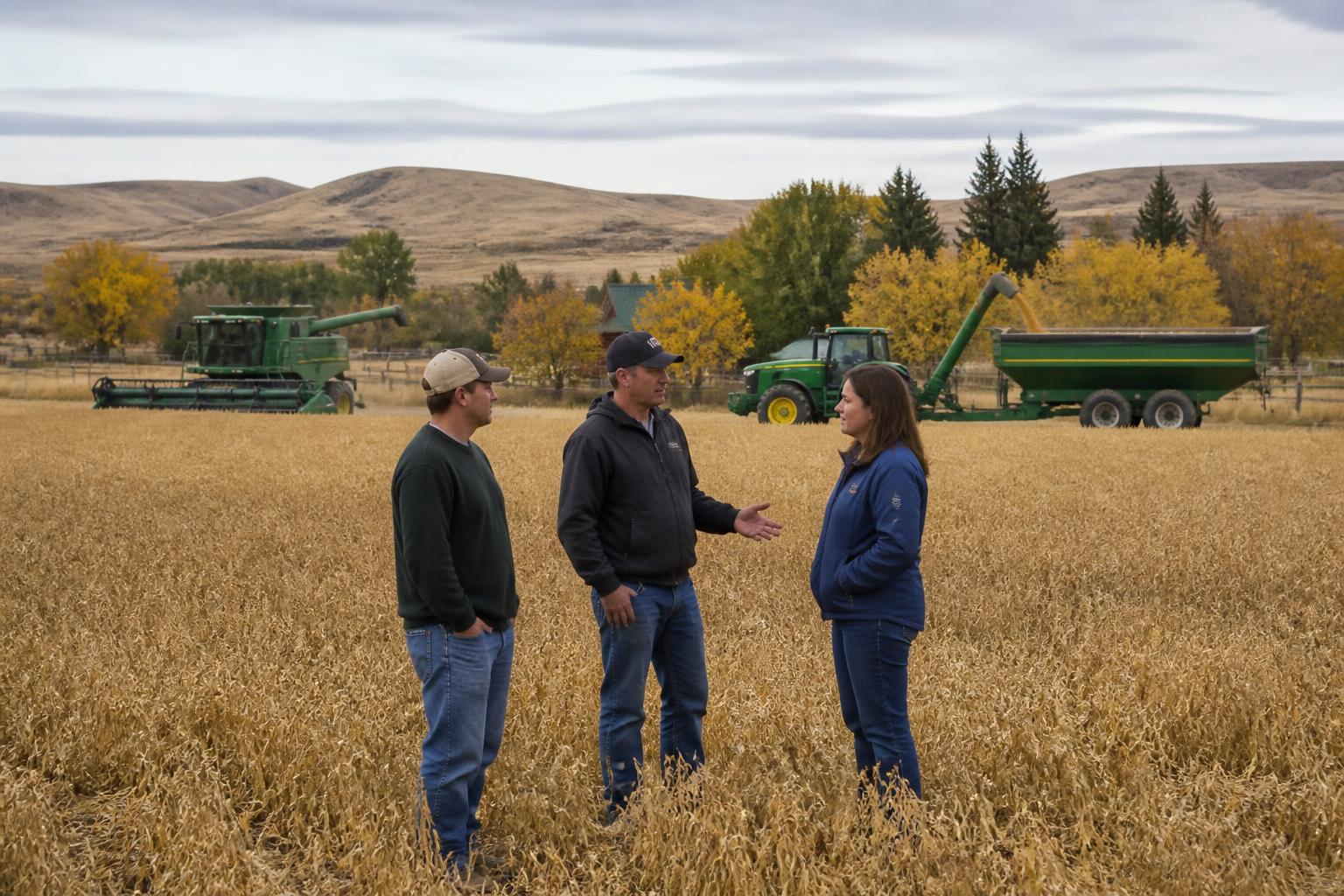
As the fall season progresses across Montana, agricultural operations remain focused on balancing ongoing field tasks with the logistical realities of securing necessary inputs. For grain handlers and growers, the focus has shifted toward ensuring that fertility programs are prepared for upcoming cycles, especially as market signals and availability fluctuate throughout the region.
Effective fall fertilizer planning often hinges on understanding how regional supply chain bottlenecks may influence localized pricing and accessibility. While global fertilizer markets continue to navigate complex trade flows and demand shifts, Montana agribusinesses are typically prioritizing the coordination of regional freight to avoid the common, late-season surges in logistical pressure.
Managing Seasonal Input Logistics
In many parts of Montana, from the Golden Triangle to the southeastern plains, the reliability of fertilizer supply chains remains a vital factor for operational success. Agribusinesses and elevators often encourage growers to monitor local storage capacities and consider early-ordering strategies where possible. Proactive communication with carriers and suppliers can help mitigate potential delivery delays that frequently occur during high-traffic periods in the fall.
Prioritizing Stability in a Volatile Market
The current market environment underscores the importance of risk management. For input buyers, staying informed about regional inventory levels is essential. While external factors frequently influence global commodity prices, the immediate concern for Montana operators is often the physical availability of product near major shipping corridors and local distribution hubs. By maintaining close ties with suppliers, growers can better position themselves to navigate potential short-term supply inconsistencies.
What it means for the market
The outlook for the remainder of the season suggests that agility will be a significant advantage. Producers who prioritize early logistics and maintain strong relationships with local suppliers are likely to be better shielded from market volatility. As the region moves deeper into the fall window, focus should remain on disciplined inventory management to ensure that crop productivity remains supported despite broader global supply chain shifts.
Comments
No comments yet - be the first to share your take.