
Harvest Logistics Under Pressure
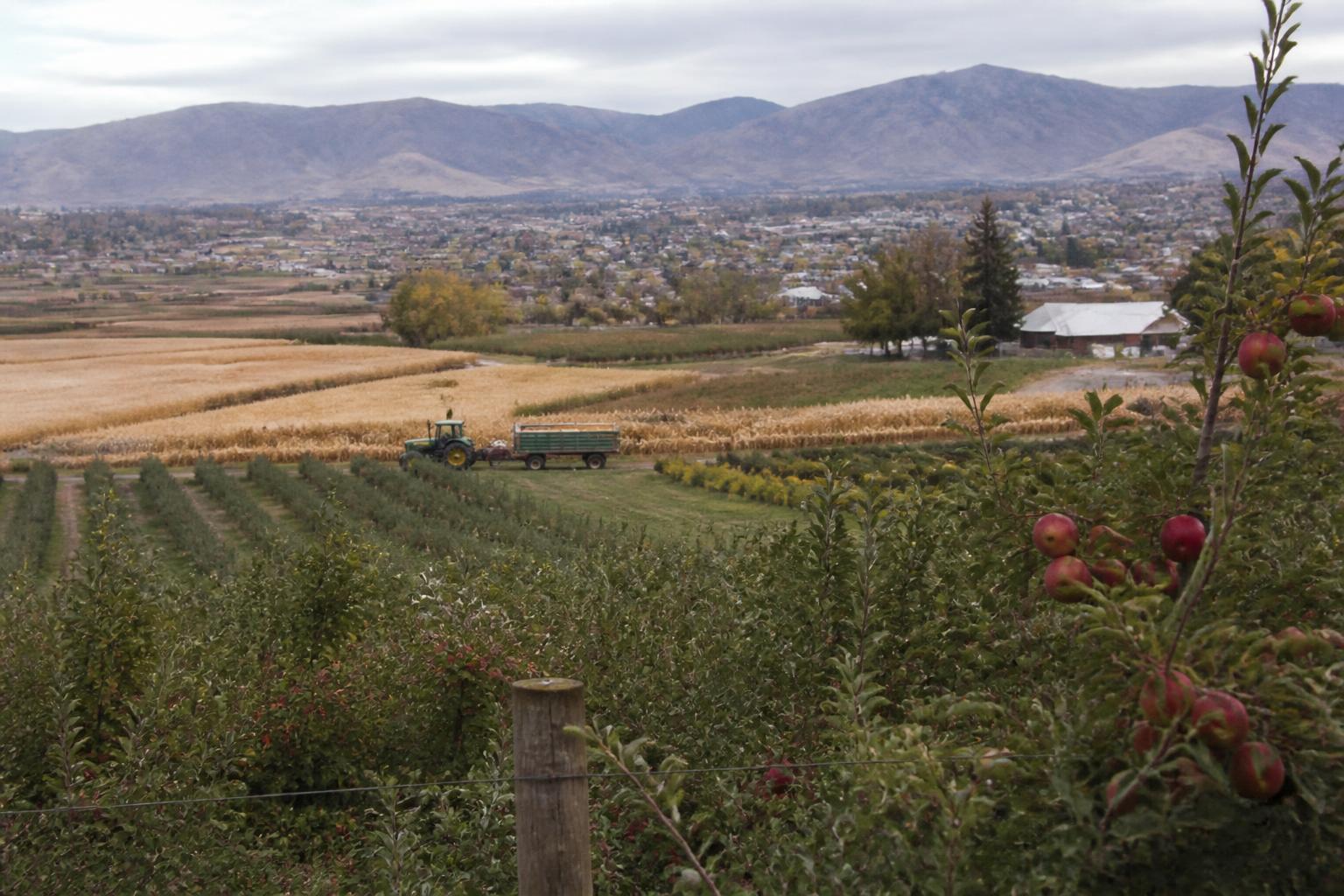
As the fall harvest season hits its stride across Utah, farmers and agribusinesses are dealing with a familiar set of logistical hurdles. Elevated diesel prices remain a primary concern, directly impacting the cost of transport from fields to local elevators. For operations across high-production regions like Utah County, maintaining margins during peak activity requires a sharp focus on managing fuel consumption and optimizing haul routes to combat the persistence of high operational overhead.
These logistical pressures are compounded by broader infrastructure challenges. As the state grows, competition for water, power, and road access between agricultural operations and emerging industries continues to influence long-term planning. Producers are often finding themselves forced to balance the traditional rhythms of grain movement and market timing against the realities of a state experiencing rapid transformation.
Managing Inputs in a Shifting Market
Beyond logistics, the volatility of input costs remains a significant factor for Utah producers. With the market for specialized equipment, such as grain metering auger assemblies, seeing long-term projections, many local operations are looking for ways to improve efficiency at the source. This is a recurring theme during seasonal grower meetings where producers discuss strategies to mitigate the impact of input price swings on their bottom line.
Effective inventory management is becoming a critical tool for resilience. By adopting more reactive, market-driven inventory systems, some producers are managing to buffer themselves against supply chain shocks. This approach allows for more flexibility when faced with the dual pressures of fluctuating fuel expenses and the need for timely, seasonal fertilizer applications or equipment maintenance.
What it means for the market
For the Utah agricultural sector, the current fall season serves as a test of operational agility. The combination of high energy costs and regional infrastructure constraints means that producers who prioritize logistical efficiency and flexible inventory planning are better positioned to weather the current market cycle. Maintaining tight control over harvest-related expenses will likely remain the defining factor for profitability as the season moves toward winter.
Comments
No comments yet - be the first to share your take.