
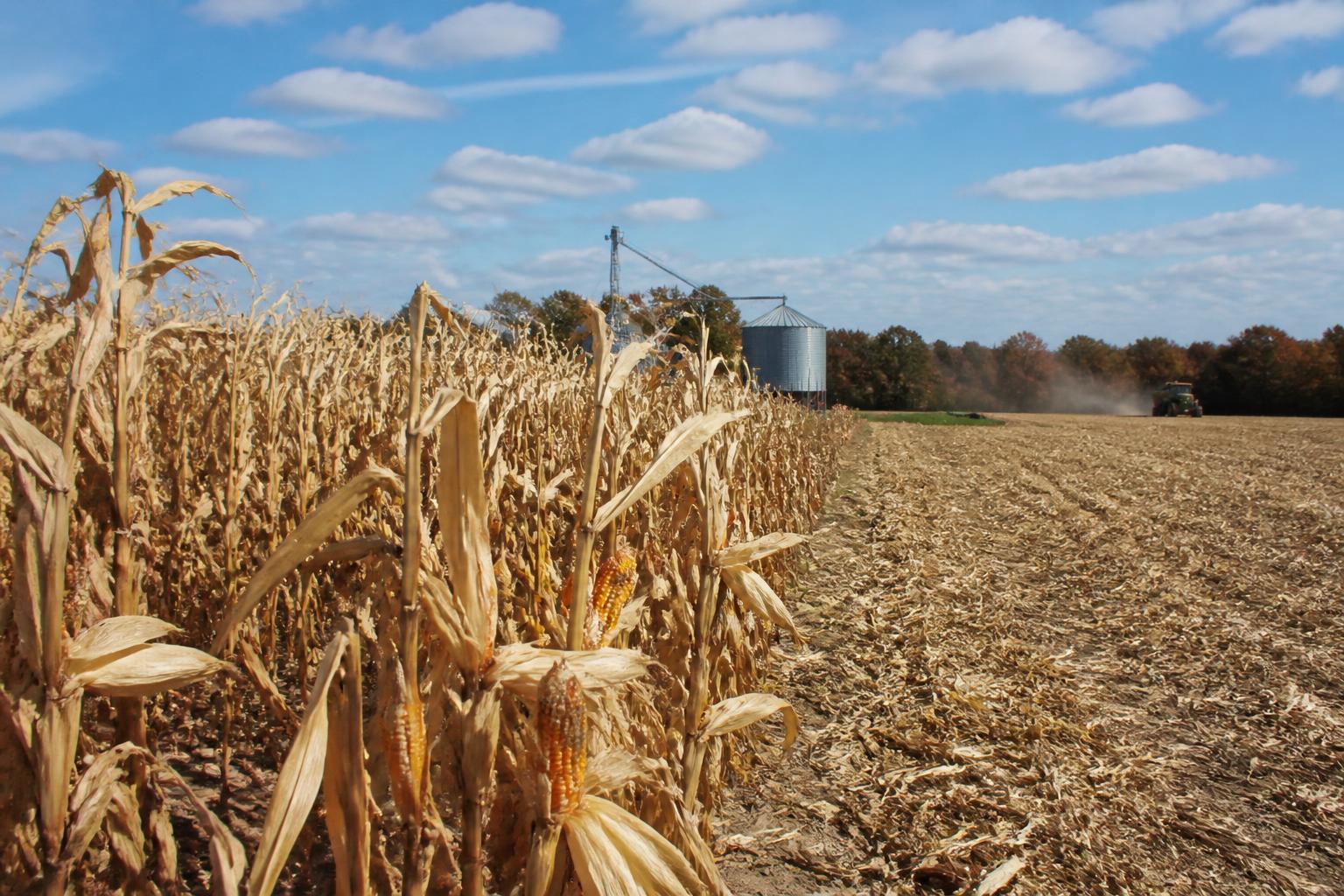
Market Trends in the Corn Sector
As we move deeper into October, Connecticut agricultural producers remain attentive to shifting national price signals. Early month data shows minor fluctuations in corn values, with recent sessions recording modest upward adjustments. For local growers and grain handlers, these shifts are often seen as indicators of broader supply-demand dynamics as harvest activities intensify across the region.
Logistics and Field Operations
In Connecticut, the current window is critical for both ongoing harvest work and logistical preparation for seasonal storage. While regional operations often focus on smaller, specialized yields compared to the Midwest, the necessity for efficient transport and storage management remains consistent. Maintaining grain quality during this period is essential for those participating in grain buyers, sellers and prices in Connecticut, as timely handling can directly impact the bottom line.
Considerations for Regional Producers
- Storage Management: Ensure aeration systems are checked and ready as the fall weather patterns begin to shift.
- Transport Planning: Monitor road conditions, particularly in areas where rural routes may see increased heavy vehicle traffic during the peak harvest phase.
- Market Alignment: Local producers should verify current elevator intake capacity before initiating significant transit of commodities to ensure smooth delivery.
What it means for the market
The marginal gains observed in recent corn pricing may suggest a degree of market stability as harvest volumes ramp up. For Connecticut agribusinesses, this underscores the importance of staying informed on price volatility. By optimizing storage and planning logistics early, farmers can better position their yields to capture value throughout the remainder of the fall season.
Comments
No comments yet - be the first to share your take.