
Adapting to Evolving Crop Protection Standards
As Colorado producers move through the fall season, the conversation around input management is shifting. Recent discussions highlight a growing focus on the future of crop protection, specifically concerning the use of neonics and other systemic treatments. For growers in the High Plains and along the Front Range, adjusting these practices requires a careful balance between maintaining yields and complying with emerging state-level regulatory discussions.
Understanding these shifts is essential for long-term operational planning, particularly for those looking to optimize their input costs during harvest logistics. Staying ahead of potential regulatory changes can help mitigate financial surprises in upcoming planting cycles.
Water Security and Irrigated Acreage
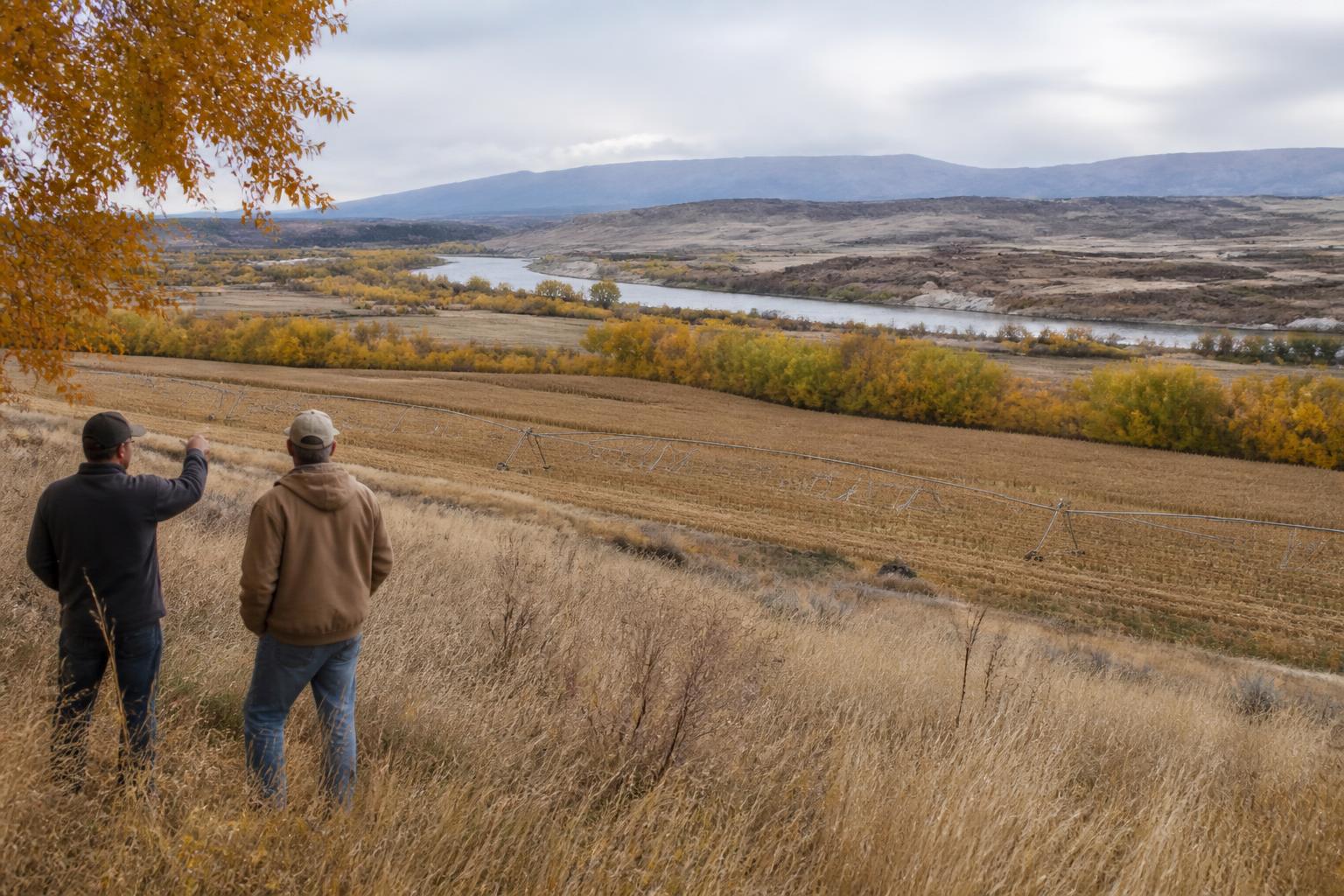
Water availability remains a persistent challenge for Colorado's agricultural sector. Irrigators across the Colorado River basin are actively managing cuts and evaluating the long-term sustainability of their water rights. For many farming operations in Western Colorado, the reduction in available water is necessitating a closer look at crop rotation and irrigation efficiency.
In regions where water rights are tightening, producers are often forced to weigh the cost of irrigation against expected commodity returns. This environment encourages a shift toward more drought-tolerant varieties or the scaling back of water-intensive crops, which directly impacts local grain handlers and input supply chains as the market adjusts to changing production profiles.
What it means for the market
The convergence of tightening crop protection regulations and ongoing water scarcity is forcing Colorado farmers to adopt a more strategic, precision-based approach to field management. While these shifts create immediate operational hurdles, they also offer an opportunity for growers to refine their input efficacy and focus on higher-margin crops that better align with the current resource environment. Producers should continue to monitor regional policy updates closely as they finalize their fall soil preparation and look ahead to the next season.
Comments
No comments yet - be the first to share your take.