
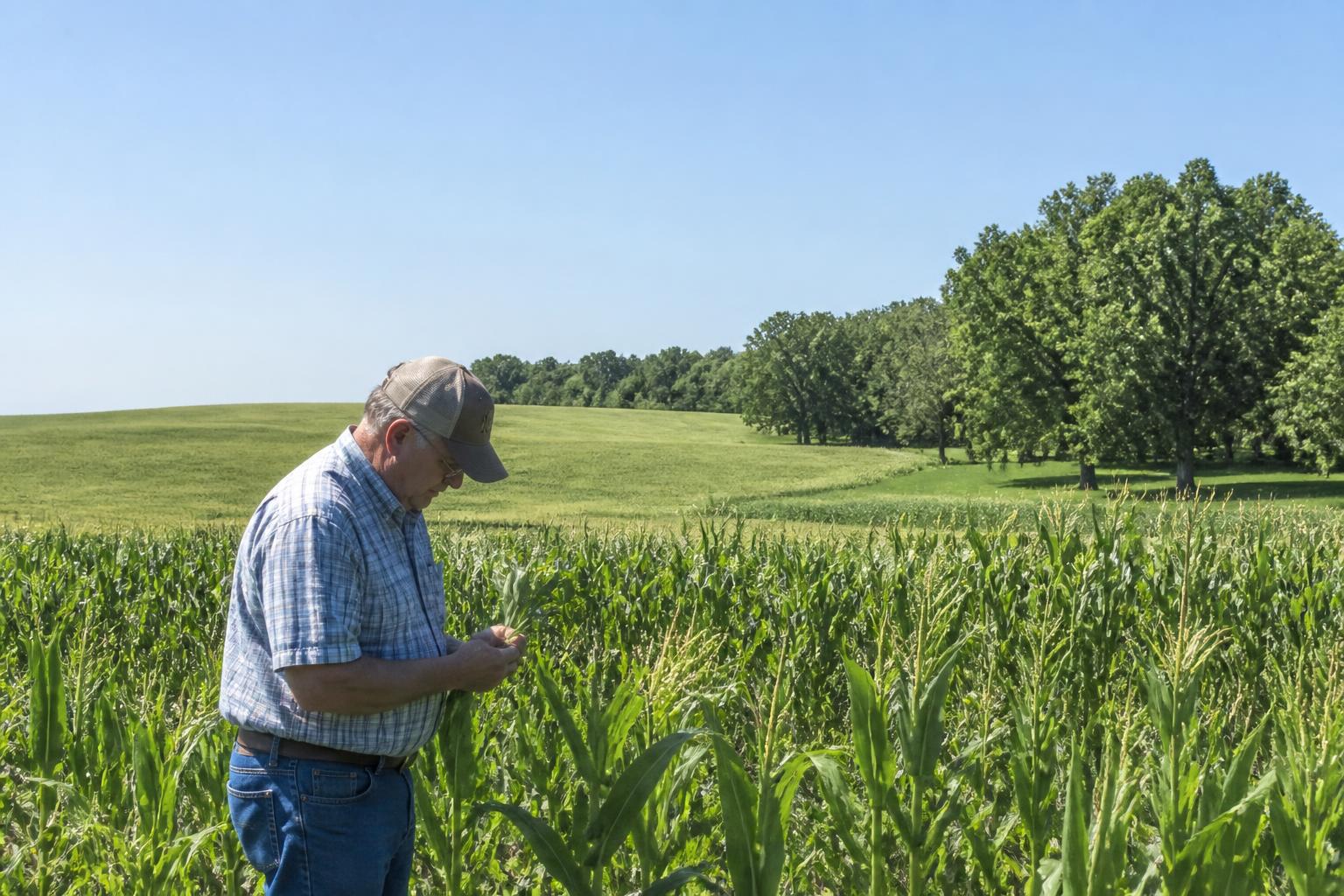
As summer temperatures rise across the High Plains, Kansas producers find themselves navigating a complex crop protection landscape. Balancing the immediate threat of insect pests, weeds, and disease with tightening farm margins requires both strategic timing and strict economic discipline. While farm financial stress is building slowly despite pockets of crop weakness, managing inputs efficiently remains a top priority for agribusinesses trying to protect yield potential without overextending credit.
Protecting the harvest is not just a modern challenge; it is a foundational part of Kansas agricultural history. From early crop protection pioneers to today's retail input suppliers, safeguarding crops from biological threats is essential to keeping the grain supply chain moving smoothly through regional elevators and domestic processing channels.
Summer Protection Pressures and Input Budgets
With seasonal weather variations putting pressure on dryland and irrigated fields alike, farmers must be highly selective with pesticide and fungicide applications. Because overall farm financial stress is building at a gradual pace, producers are looking for ways to maximize the return on every dollar spent on crop chemistry. Over-spraying or poorly timed applications can quickly erode profit margins that are already compressed by broader commodity market swings.
Furthermore, global market uncertainties and the persistent threat of tariffs continue to cloud the long-term demand outlook for American agricultural exports. This makes cost management in the field even more critical. Growers looking to optimize their chemical applications while staying compliant with changing regional rules can find practical guidance in our guide to Kansas crop protection trends.
The Deep Roots of Biosecurity in Kansas
The focus on protecting crops from invasive pests and diseases has deep roots in the Sunflower State. Charles Marlatt, an Atchison native who went on to lead early federal entomology and quarantine efforts, played a pivotal role in establishing the regulations that still protect America's food supply from foreign pests today. His legacy highlights the long-standing Kansas commitment to proactive pest stewardship and agricultural biosecurity.
Today, that legacy lives on through specialized regional research-such as the recently completed four-decade era of Kansas pecan research led by Bill Reid-and the ongoing efforts of Kansas State University extension specialists. Whether managing specialty tree crops or millions of acres of row crops, scientific research remains the ultimate defense against crop degradation.
Integrating Protection with Grain Marketing
An effective crop protection program does not exist in a vacuum; it directly impacts grain quality and final market grade at the local elevator. Insect damage or high weed seed contamination can lead to steep dockages, complicating marketing plans during a volatile summer pricing window.
To align crop protection activities with storage and marketing plans, growers should keep a close eye on regional supply trends. Those analyzing local yield potential can review recent summer grain market updates to better time their physical sales. Additionally, for operations balancing dryland crop rotations, monitoring wheat and sorghum market dynamics remains a valuable practice as harvest pressures shift across the state.
Key Takeaways for Kansas Growers
- Targeted Applications: Prioritize scouting to ensure chemical applications target active economic thresholds, minimizing unnecessary input costs.
- History of Stewardship: Modern biosecurity and quarantine standards trace back to early Kansas crop pioneers, reinforcing the importance of compliance and resistance management.
- Protect Quality to Avoid Dockage: Clean, pest-free grain ensures maximum leverage when negotiating summer delivery contracts at regional terminals.
What it means for the market
For the broader Kansas ag economy, crop protection this summer is a game of defense. With financial margins tightening and global market access remaining sensitive to international trade policy, preventing yield loss from pests is the most direct way to protect localized equity. Expect input buyers to shop carefully, demanding high-value generic options and precise recommendation models from their agronomists to weather this period of slow-building financial strain.
Comments
No comments yet — be the first to share your take.