
Harvest Momentum and Market Realities
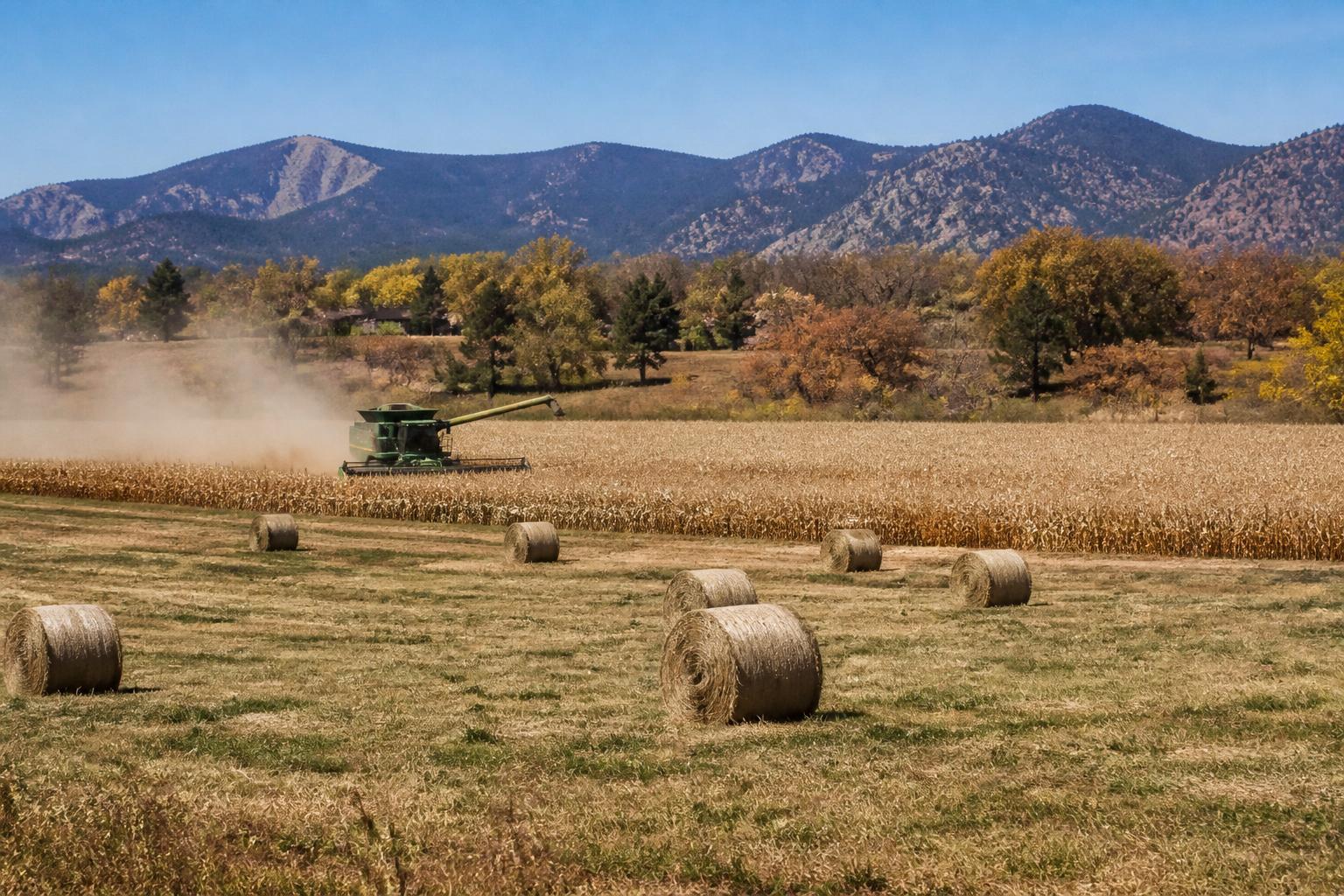
As the fall harvest season hits its stride, Colorado producers are focused on moving grain through a tightening supply chain. With combines rolling across the plains, logistics management has become a priority to ensure that harvested bushels reach elevators efficiently. Producers are keeping a close watch on regional grain markets and supply chain updates as harvest pace typically influences the capacity of local transport corridors.
For those managing stored grain or looking at immediate delivery, monitoring daily cash bids remains essential. Variations in regional basis levels often reflect the localized demand at major rail-served elevators and feedlots throughout the state. Maintaining operational agility during these high-volume weeks can help mitigate some of the common bottlenecks experienced during the peak movement window.
Navigating Seasonal Operational Changes
Beyond the field, the broader economic climate continues to shape how agribusinesses approach the season. While structural shifts in retail and commercial services in areas like Colorado Springs may seem distant from the farm gate, they highlight the importance of localized operational efficiency. As producers look to optimize their bottom line, navigating cash bids and operational shifts in October is critical to capturing value before the winter lull sets in.
Producers should continue to communicate closely with their local carriers and elevator managers regarding site capacity and load-out schedules. Understanding how local congestion impacts basis can be the difference between a profitable delivery window and waiting on the scales during a busy afternoon.
What it means for the market
The current market environment demands a proactive approach to logistics and pricing. With the harvest cycle in full swing, Colorado farmers who prioritize efficient scheduling and monitor local bid structures are better positioned to handle the seasonal volume. As the calendar moves toward late October, watch for potential changes in transport availability as agricultural output shifts across the state.
Comments
No comments yet - be the first to share your take.