
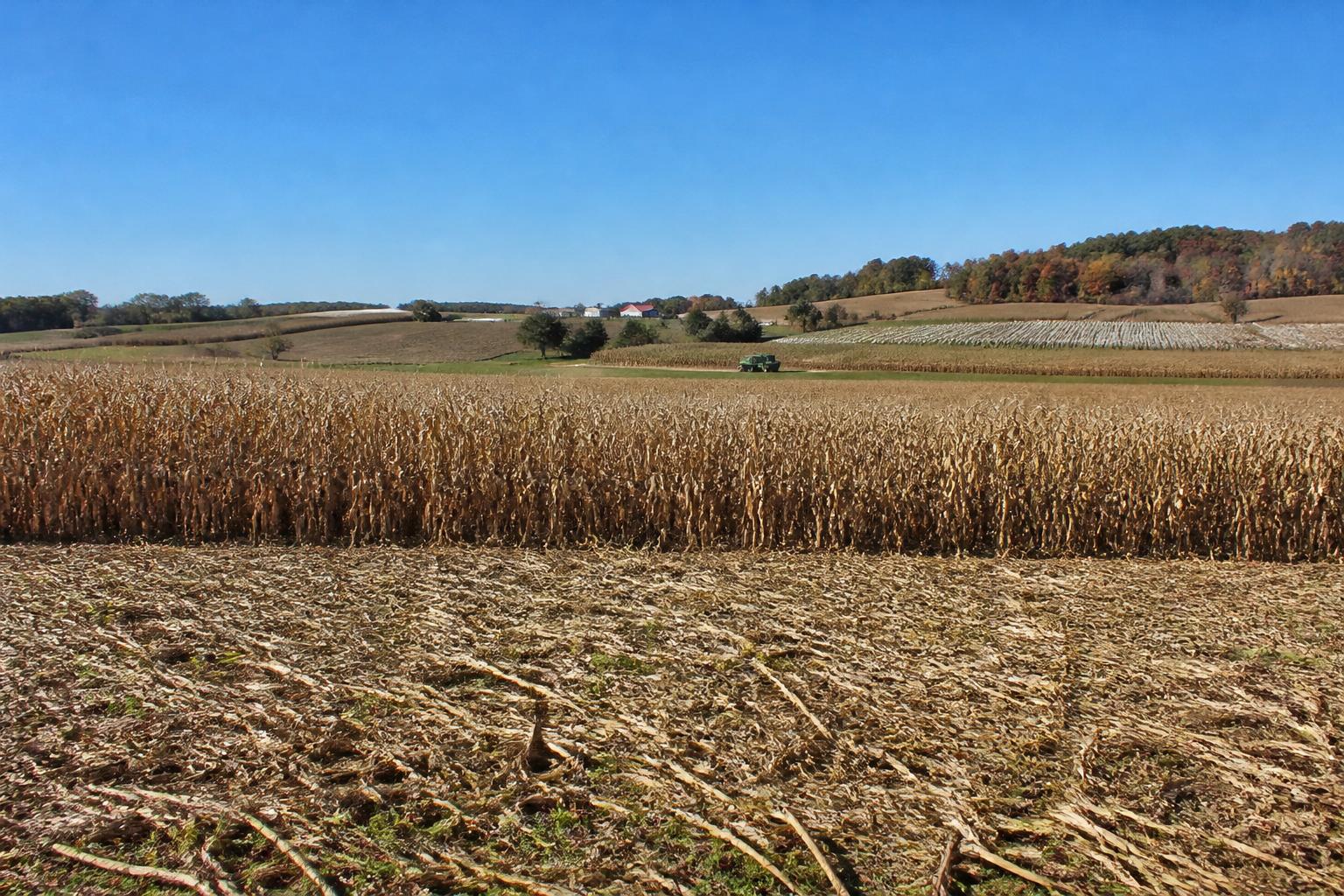
As Tennessee agriculture moves into the height of the fall season, producers across the state are reporting steady progress in field operations. Recent reports indicate that crop conditions remain resilient, providing a stable foundation for storage and logistics planning as the harvest continues to gather speed across various counties.
For growers focusing on soil preservation, regions like Coffee County continue to highlight the importance of no-till practices. These methods are essential for managing moisture and ensuring long-term land productivity, especially as variable weather patterns influence operational timelines. Producers navigating this season may find it helpful to review Tennessee crop management strategies to balance immediate collection needs with essential conservation practices.
Monitoring Crop Health and Yield Potential
Statewide observations reflect strong performance for major commodities. With a significant portion of the soybean and cotton crops recently rated in the good-to-excellent range, grain handlers and producers are prioritizing efficient movement to elevators and processing facilities. Maintaining this quality through the final stages of the harvest is critical to securing market premiums.
Effective logistics remain the backbone of a successful season. As vehicles increase traffic on rural corridors, staying informed on Tennessee fuel market updates can help agribusinesses anticipate potential bottlenecks and manage transport costs effectively during this peak period of high activity.
Strategic Approaches to Fall Operations
Beyond the immediate metrics, the focus for many Tennessee operations is on infrastructure readiness. As the harvest cycle nears completion in many areas, storage capacity management and dry-down schedules become top priorities. Growers should continue to assess field moisture levels and coordinate closely with local elevators to ensure that high-quality harvests are processed without unnecessary delay or compromise.
What it means for the market
The current state of Tennessee crops suggests a period of stable supply, provided logistics hold steady during the final push. Producers who maintain rigorous quality standards and utilize efficient transit planning are well-positioned to navigate the remainder of the season, helping to ensure that the positive field ratings translate into successful market outcomes.
Comments
No comments yet - be the first to share your take.