
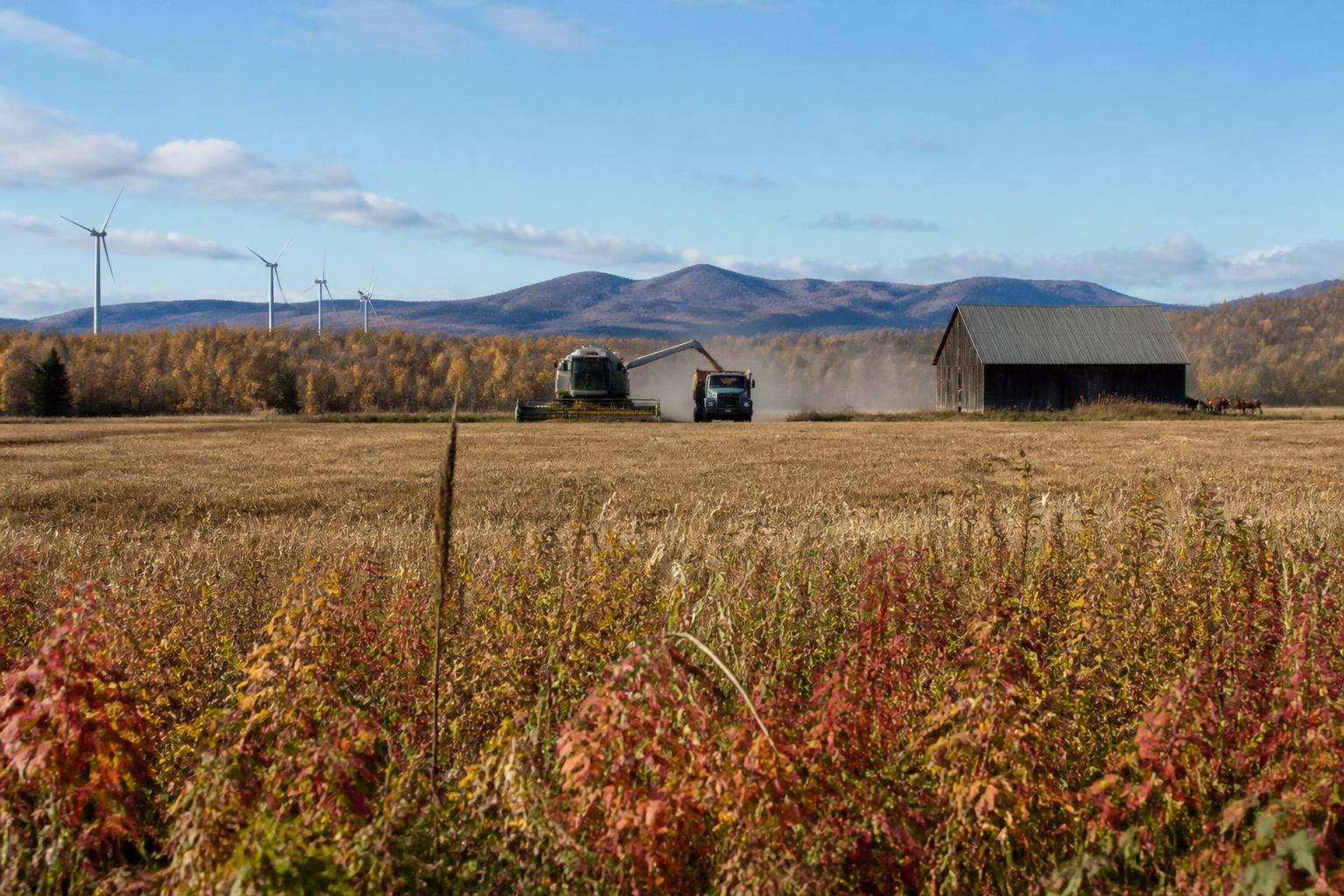
Alaska's agricultural community is navigating a complex fall season, balancing harvest-adjacent activities with the inherent environmental unpredictability of the region. Recent seismic activity near the Aleutian Islands serves as a stark reminder for agribusinesses, grain handlers, and farmers that operational resilience is a core component of the state's agricultural infrastructure.
For those managing localized supply chains, the priority remains the integrity of storage facilities and logistics corridors. Ensuring that grain bins, processing equipment, and transport routes remain secure is vital as producers look toward the winter months.
Infrastructure Integrity and Risk Mitigation
The geography of Alaska presents unique challenges for maintaining physical assets. Beyond the day-to-day logistics of managing farm risk and protection strategies, operators must account for the susceptibility of rural infrastructure to natural disturbances. Maintaining robust communication networks and structural health monitoring for silos and transit hubs helps mitigate the impact of sudden events on critical fall harvest windows.
Looking Toward Long-Term Energy Stability
As the state seeks to modernize, interest in carbonless energy solutions is growing. Many agricultural stakeholders are evaluating how shifts in power generation might eventually impact rural operational costs. By focusing on energy efficiency and resilient storage, producers are better positioned to weather both market fluctuations and unpredictable environmental events, expanding Alaska's grain potential through better preparation.
What it means for the market: For farmers and agrologistics managers, the current environment reinforces the need for decentralized storage and diversified supply routes. While recent events have not caused widespread agricultural disruption, the focus for the remainder of October remains on fortifying existing infrastructure against both seasonal weather patterns and broader environmental volatility.
Comments
No comments yet - be the first to share your take.