
Global Market Trends and Local Implications
Alaska producers are increasingly monitoring global agricultural shifts as rising international commodity prices begin to influence domestic input costs. The ongoing impact of global crop failures and geopolitical instability serves as a reminder of the fragility within the supply chain. For those managing operations in the Matanuska-Susitna Valley or the Tanana Valley, these external pressures can often translate into heightened price sensitivity for fertilizer and essential crop protection inputs.
Understanding these broader global fertilizer market trends is essential as we move through the fall season. While the distance from major Lower 48 agricultural hubs presents unique logistical hurdles, local resilience often hinges on proactive procurement strategies and sound farm risk management.
Technological Advances in Crop Protection
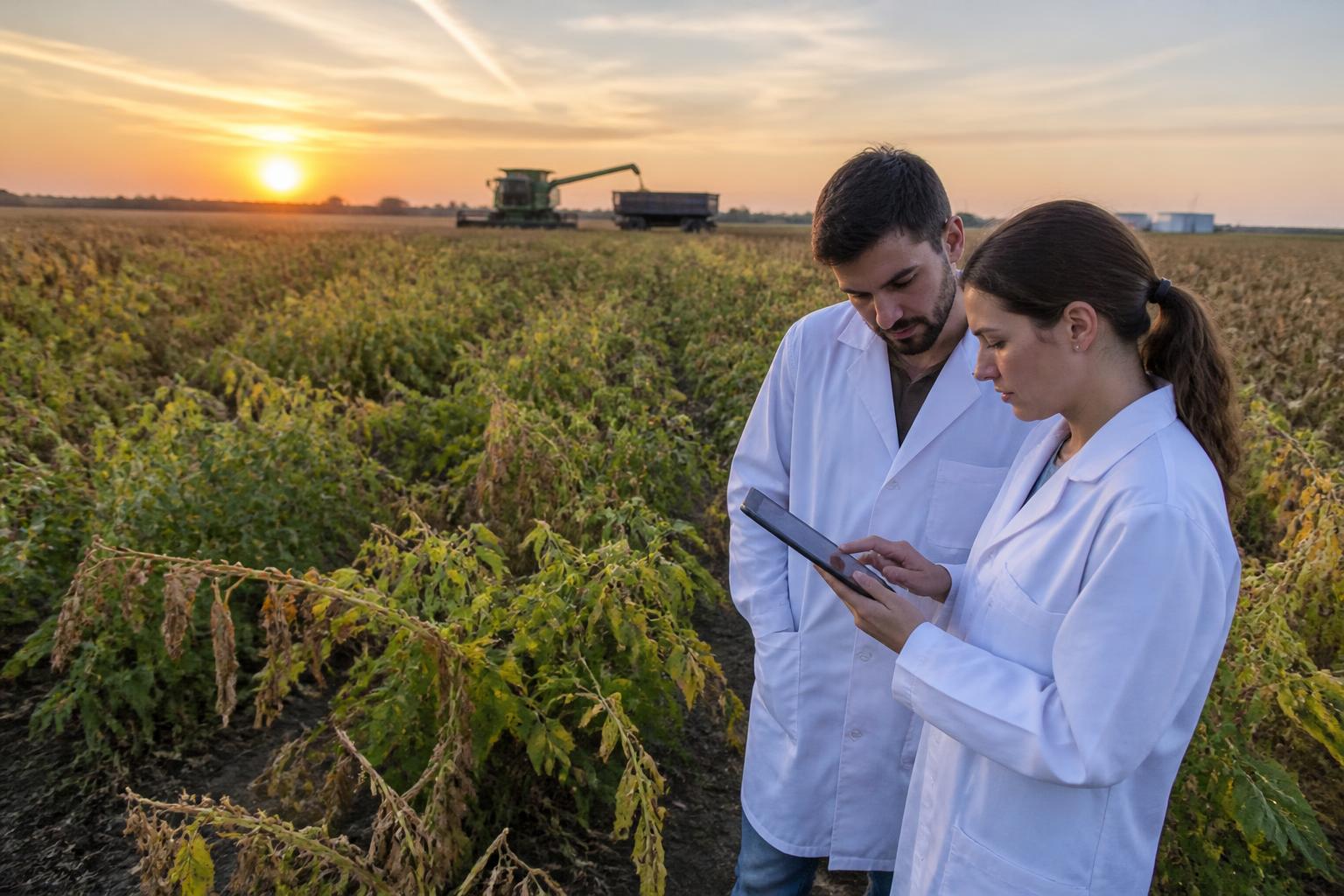
Amidst concerns over yield stability, new developments in biotechnology may offer a pathway to improved field performance. Recent research into RNA-based shields against crop viruses represents a potentially game-changing approach for producers operating in challenging climates. Implementing these technologies could assist in stabilizing yields, which remains a core focus for expanding Alaska's grain potential even in the face of unpredictable environmental variables.
Key Takeaways for Producers
- Monitor global commodity benchmarks to anticipate fluctuations in input pricing.
- Consider early-season planning for next year to hedge against potential price spikes.
- Explore emerging RNA-based plant health solutions that target specific viral threats relevant to northern latitudes.
What it means for the market
The intersection of global price volatility and local innovation suggests that the coming seasons will reward those who balance traditional risk management with the adoption of precision agricultural tools. By keeping a close watch on regional logistical costs and staying informed about biotechnological advancements, Alaskan agribusinesses can better shield themselves from the lagged effects of global economic shifts.
Comments
No comments yet - be the first to share your take.