
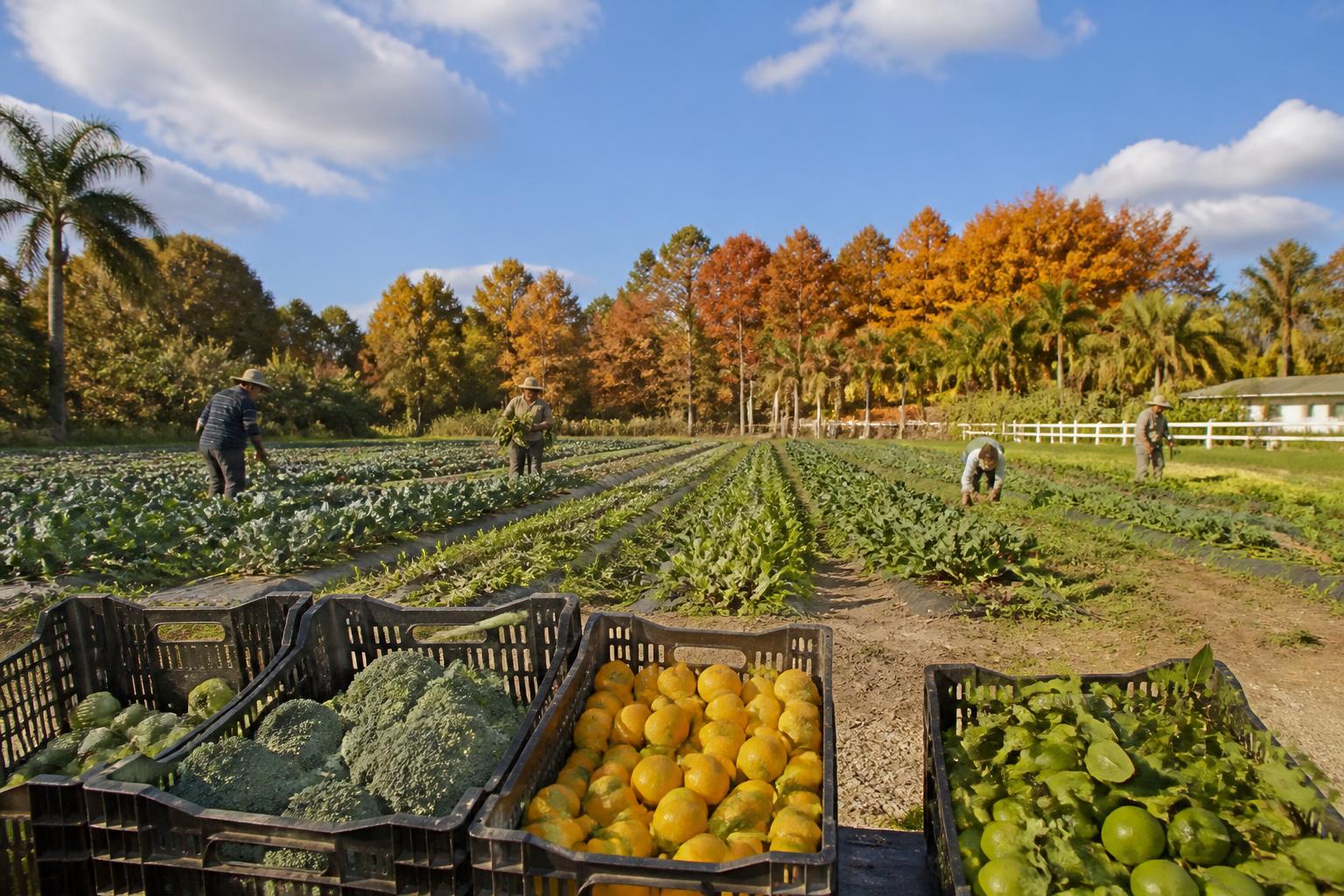
As the fall season progresses, Florida's agricultural sector remains deeply engaged in evaluating its competitive positioning. For growers across the state, the ongoing dialogue regarding produce imports continues to serve as a critical point of concern. While many local producers look to leverage their seasonal advantages, the pressure from international competition remains a consistent theme influencing long-term market planning and investment strategies.
Operational resilience is top of mind for many agribusinesses as they monitor broader supply chain variables. For those managing grain or input logistics, maintaining readiness in Florida's logistics networks is essential, especially as seasonal shifts can impact inland and port-related movement. Ensuring that supply lines remain fluid is a priority for stakeholders who must navigate potential disruptions in an already complex Florida ag supply chain environment.
Market Stability and Trade Policy
The pursuit of equitable trade protections remains a legislative priority for many industry advocacy groups. Producers often point to the need for safeguards that allow Florida-grown products to compete fairly. These policy discussions frequently intersect with the logistical realities of moving goods through regional hubs, where efficiency is necessary to maintain market access. Growers who understand these broader systemic pressures are often better positioned to adapt their marketing strategies.
Adapting to Evolving Operational Realities
Beyond trade policy, Florida's producers are increasingly focused on operational efficiency. Whether integrating advanced crop protection measures or managing the nuances of local supply chains, the focus is on maintaining high-quality outputs. Many businesses are also closely watching how strategic asset shifts in crop protection may provide a pathway to better yield outcomes in the coming months. This shift highlights the proactive approach many in the region are taking to secure their bottom lines against both biological and economic headwinds.
What it means for the market
The current market environment suggests that growers and agribusinesses should prioritize logistical flexibility and stay informed on shifting trade policy discussions. While the challenges from international competition are real, a disciplined focus on supply chain reliability and the adoption of modern agricultural inputs can help mitigate risks. Stakeholders should monitor regional developments closely to ensure they remain agile in the face of shifting market dynamics.
Comments
No comments yet - be the first to share your take.