
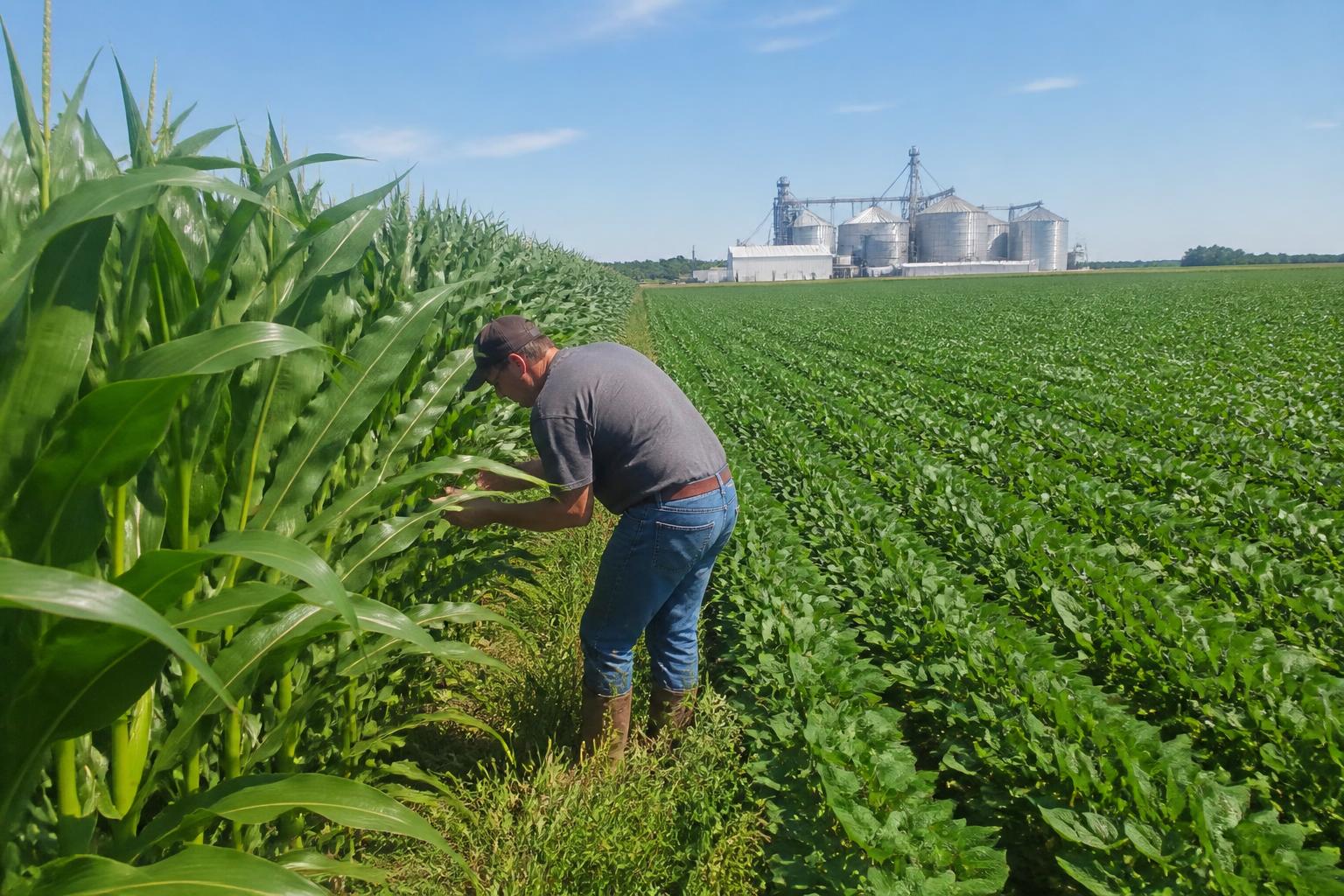
As North Dakota enters the critical summer growing window, agricultural producers across the Red River Valley and the western plains are adjusting their crop protection strategies. Navigating chemical regulations, tracking emerging insect threats, and managing spray drift are at the top of the agenda for local growers, agronomists, and retail suppliers this season.
With spraying activities accelerating, state-level regulatory decisions and regional pest alerts are shaping how operators protect high-value canola, spring wheat, soybean, and corn acres. Developing a comprehensive strategy for summer crop protection in North Dakota is critical as producers balance chemical compliance and application timing.
New Dicamba Registrations and Herbicide Drift Protocols
State regulators have issued final labels for two dicamba products, providing local soybean and cotton growers with clear guidelines for the current application season. These labels outline strict requirements designed to maximize weed control while minimizing the risk of off-target movement, which remains a primary concern for neighboring fields of sensitive crops.
With high-winds and temperature inversions common during North Dakota summers, herbicide drift is a persistent operational hazard. Crop specialists advise growers who suspect drift damage on their crops to take immediate action: document the symptoms with high-quality photos, record the dates of observation, contact the North Dakota Department of Agriculture or local extension agents, and maintain detailed weather and application logs. Quick documentation is essential for resolving potential compliance and insurance issues.
Wheat Midge Returns and Corn Disease Mitigation
On the pest front, the wheat midge has returned to North Dakota fields, posing a renewed threat to spring wheat and durum yields. Agronomists recommend that growers monitor fields closely during the heading stage, especially in humid conditions that favor midge development. Regular scouting and timely insecticide applications remain the most effective defenses against this yield-reducing pest.
At the same time, corn growers are keeping a close eye on fungal diseases such as tar spot. Although historically more prevalent in the central Corn Belt, the threat of tar spot requires proactive management. Utilizing resistant corn hybrids, implementing crop rotation, and applying targeted fungicides at the appropriate vegetative or reproductive stages are key strategies to prevent the disease from establishing a foothold in North Dakota fields.
Key Takeaways for June Spraying
- Verify Product Labels: Ensure all dicamba applications strictly adhere to the newly finalized North Dakota state labels and wind speed restrictions.
- Scout for Midge: Prioritize wheat midge scouting as spring wheat fields enter the vulnerable heading phase.
- Document Suspected Drift: Immediately record environmental conditions, take photos, and notify authorities if off-target herbicide damage is suspected.
- Monitor Corn Fields: Keep watch for early signs of fungal pressure, including tar spot, to plan late-summer fungicide applications.
What it means for the market
For agribusinesses and chemical retailers in North Dakota, the finalization of local dicamba labels stabilizes input planning and product distribution for the peak summer window. However, the combination of active pest pressures like wheat midge and the ongoing necessity of precise herbicide applications means custom applicators and retail suppliers must remain highly responsive. Ensuring adequate inventory of compliant herbicides, adjuvants, and insecticides will be critical to supporting North Dakota growers as they work to protect yield potential through the high-stakes summer weeks.
Comments
No comments yet — be the first to share your take.