
As the fall harvest season gains momentum across Pennsylvania, farmers are navigating a complex environment defined by both operational challenges and strategic investment in land longevity. While producers focus on gathering yields and preparing fields, many are also reassessing their input strategies to better align with changing market conditions and economic realities.
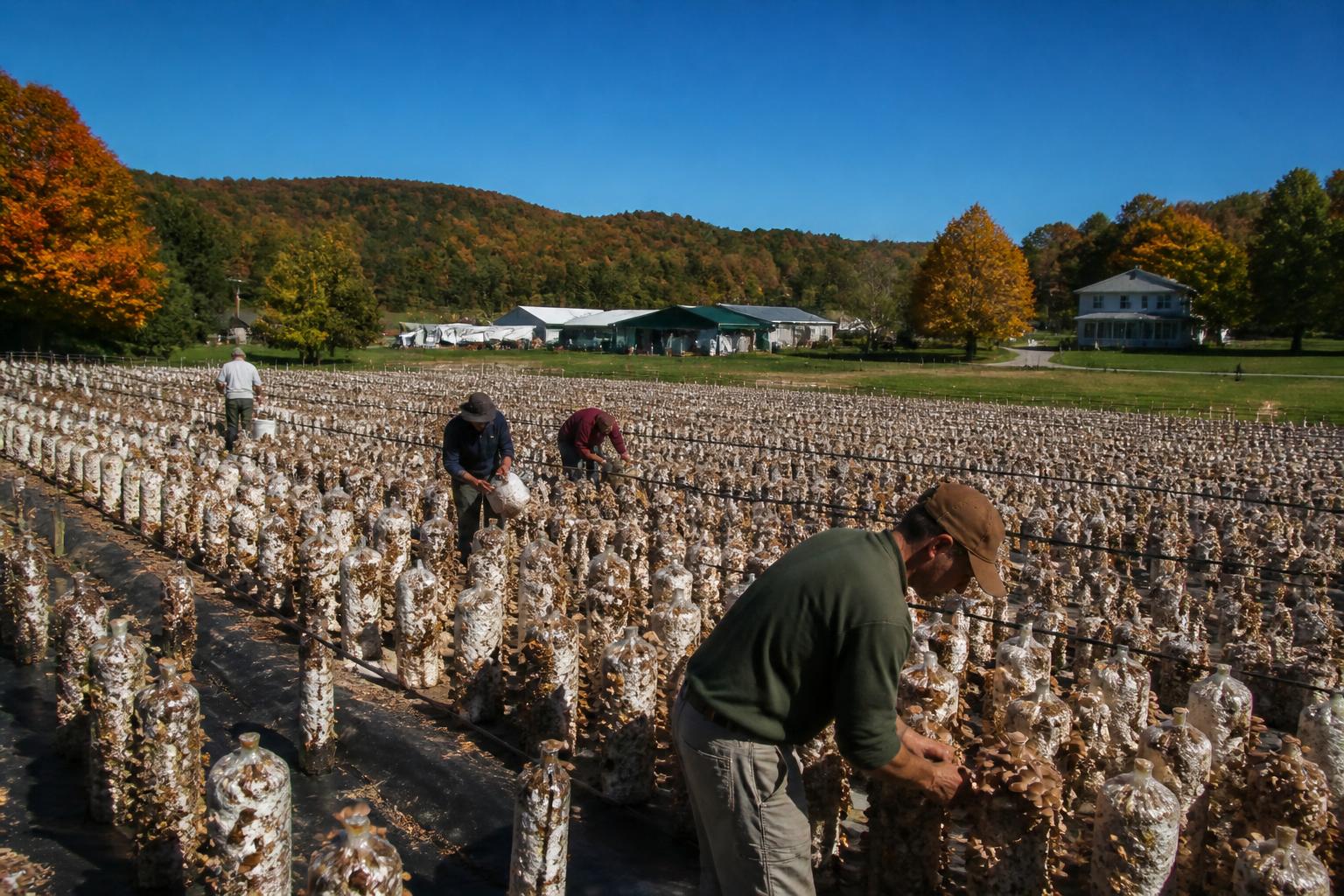
Ensuring the health of the state's diverse agricultural sectors remains a top priority. From the robust mushroom industry to traditional grain production, the need for stable operational support has never been higher. With ongoing fluctuations in global trade and input costs, navigating the fertilizer market and other essential supplies requires a proactive, data-driven approach to maintain farm-level profitability.
Preserving the Future of Pennsylvania Farmland
In addition to immediate seasonal concerns, there is a renewed emphasis on securing the state's agricultural foundation. Recent state-level initiatives have focused on protecting significant acreage from development, reflecting a broader commitment to ensuring that fertile land remains available for future generations. This focus on land stewardship, coupled with ongoing efforts to defend preserved farmland against eminent domain, highlights a push to maintain the viability of rural communities throughout the Commonwealth.
Economic Resilience Amidst Market Flux
Farmers are increasingly looking toward diversified management practices to buffer against the volatility typical of today's trade environment. Whether through exploring new insurance coverage for non-conventional planting methods or utilizing state-provided aid programs—such as support for fruit growers affected by recent weather events—producers are leveraging available resources to mitigate risk. Maintaining a tight grasp on input efficiency and capital allocation remains essential for those looking to thrive in an unpredictable global economy.
What it means for the market
For grain handlers and agribusinesses, the current environment suggests a continued need for operational flexibility. As harvest wraps up, watch for shifts in localized storage demand and input pre-purchasing trends. Producers who prioritize long-term asset security and resource efficiency are better positioned to weather cyclical market downturns and emerge with a more resilient bottom line heading into the next production cycle.
Comments
No comments yet - be the first to share your take.