
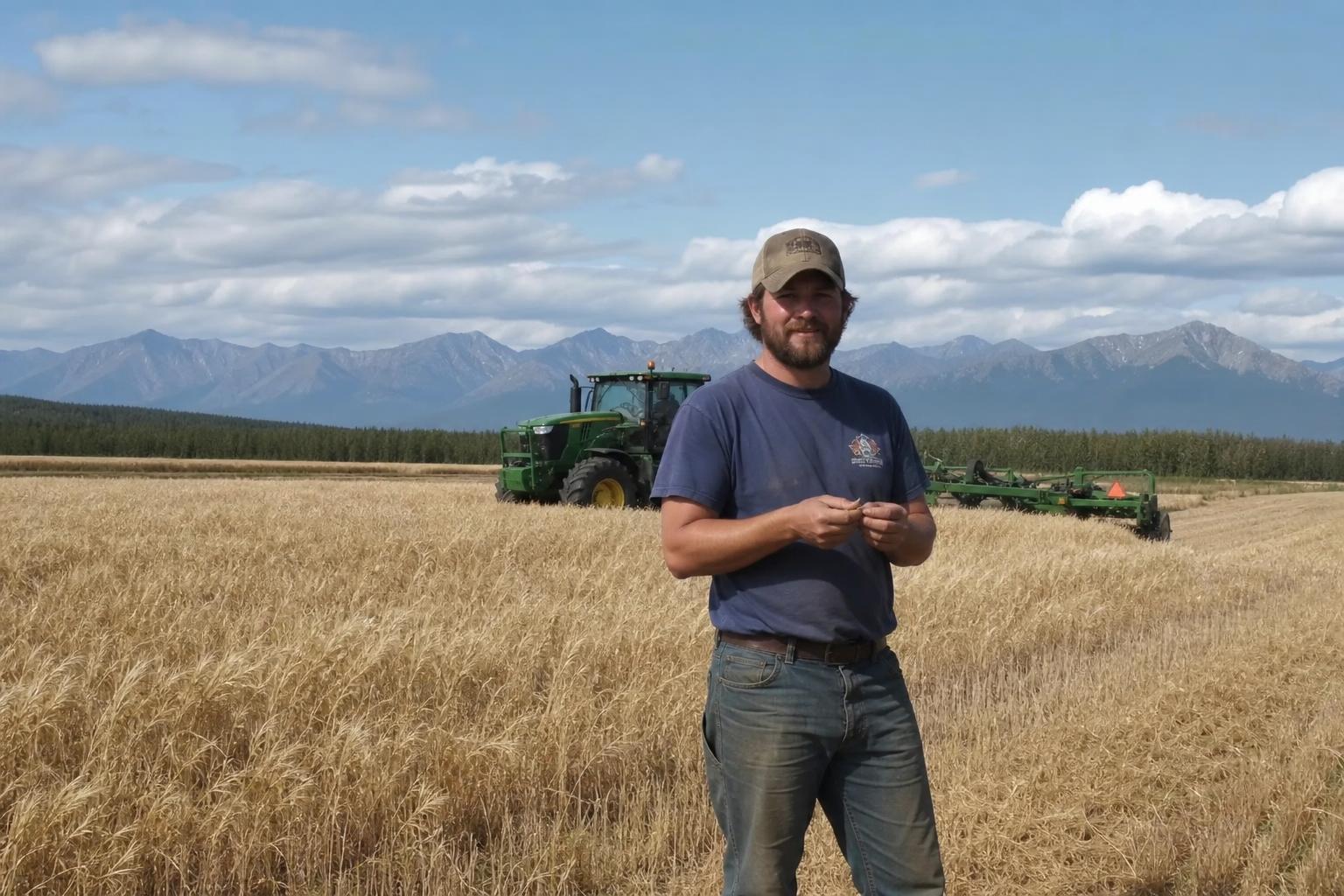
Alaska’s agricultural sector faces unique challenges, from its harsh climate to vast distances between communities. Despite these hurdles, the state’s farmers are finding innovative ways to improve food security and meet local demand. Understanding these shifts is crucial for stakeholders involved in this niche but vital market.
Current State of Alaska’s Agriculture
Alaska's agriculture is characterized by its focus on niche markets and resilience against environmental obstacles. Key crops like barley are gaining traction, supported by local milling that reduces dependence on imported grains. This adaptation is crucial for enhancing the state's self-sufficiency.
Innovations in Crop Production
Farmers are turning to innovative techniques to maximize production, including high-tunnel greenhouses, which extend the growing season and protect crops from unpredictable weather. These technologies not only improve yields but also help diversify the types of produce available locally.
Grain Market Dynamics
The grain market in Alaska is seeing a shift with more emphasis on local supply chains. As outlined in the Grain Market Dynamics, fostering local production has become more pertinent in light of global instability affecting food prices and availability.
Economic Opportunities
Economic opportunities in Alaska’s agricultural sector are expanding beyond traditional farming, with new ventures like mariculture presenting sustainable options. These innovations are crucial in diversifying income streams and maintaining the sector's growth.
Key Takeaways
- Focus on local solutions is enhancing food security.
- Technological innovations are allowing for extended and diversified growing seasons.
- The emphasis on local supply chains is integral to countering global market pressures.
What it means for the market
Navigating Alaska’s agricultural landscape requires innovative thinking and adaptability. By investing in local solutions and diversifying production opportunities, the state can create a more resilient and sustainable agricultural economy. Stakeholders must remain informed and proactive to capitalize on these emerging trends and ensure the sector’s long-term viability.
Comments
No comments yet - be the first to share your take.